
The Ceuta Crisis: A Political Conundrum for Pedro Sánchez
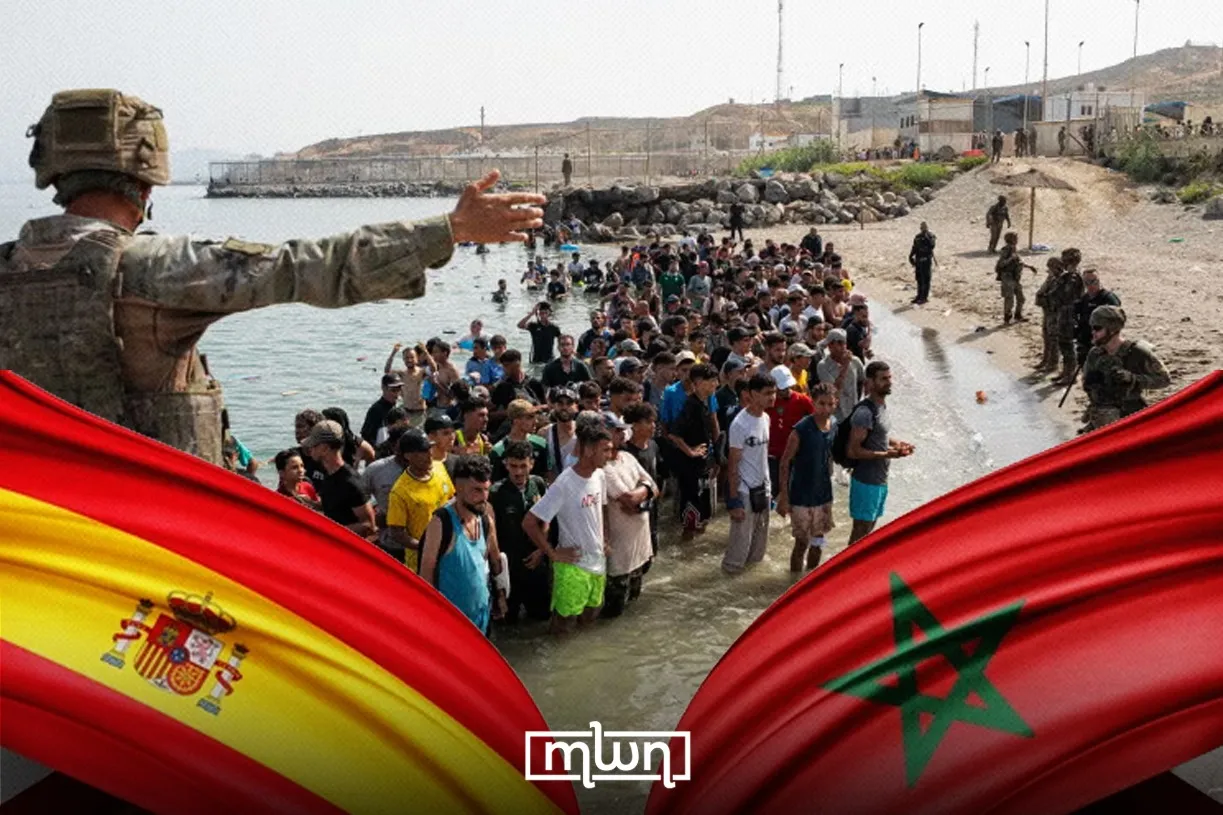
In a time marked by a pallid complexion and a backdrop of numerous challenges, Spanish Prime Minister Pedro Sánchez made his reappearance in the Congress of Deputies to present his optimistic perspective regarding the ongoing crisis in Ceuta. This situation, which he continues to label as 'migratory,' stands in stark contrast to his earlier description of it as an 'attack and violation of Spain's territorial integrity' just a month prior, signaling a significant state crisis. Sánchez's narrative conveniently omits Morocco's involvement, despite allegations suggesting that Moroccan agents played a crucial role in the orchestrated influx of over 70,000 individuals into Ceuta during the tumultuous days of July 30 and 31, during which 141 assailants lost their lives. He claims there is insufficient evidence to implicate Morocco, dismissing police and intelligence reports that indicate otherwise.
Opposition leader Alberto Núñez Feijóo has been vocal in his criticism, challenging Sánchez's competence and labeling him either as incompetent or complicit, asserting that the prime minister will ultimately face justice and the consequences of his actions at the polls. Meanwhile, Santiago Abascal, the leader of the Vox party, has labeled Sánchez a 'traitor,' asserting that while he may be oblivious to the events that transpired, he is certainly aware of who was not involved.
Monarchical Diplomacy and Electoral Tensions
As the political landscape becomes increasingly fraught, criticism from various factions of the opposition, including radical left and nationalist representatives, has intensified against Sánchez's perceived leniency towards the Moroccan government. This growing dissent has left Sánchez in a precarious position, further compounded by the recent mass protests across Spain advocating for Ceuta's plight, which have united hundreds of thousands of citizens against what they perceive as Sánchez's capitulation to Morocco.
In a bid to quell tensions, Sánchez has reportedly reached out to the Moroccan ambassador in Madrid following controversial statements made by his government regarding Ceuta and Melilla's ties to Spanish sovereignty. Additionally, it has been announced that King Felipe VI will visit these contested territories in the coming weeks, likely aimed at bridging the existing rift, even if it simultaneously reignites disputes with Morocco, reminiscent of previous visits by King Juan Carlos I.
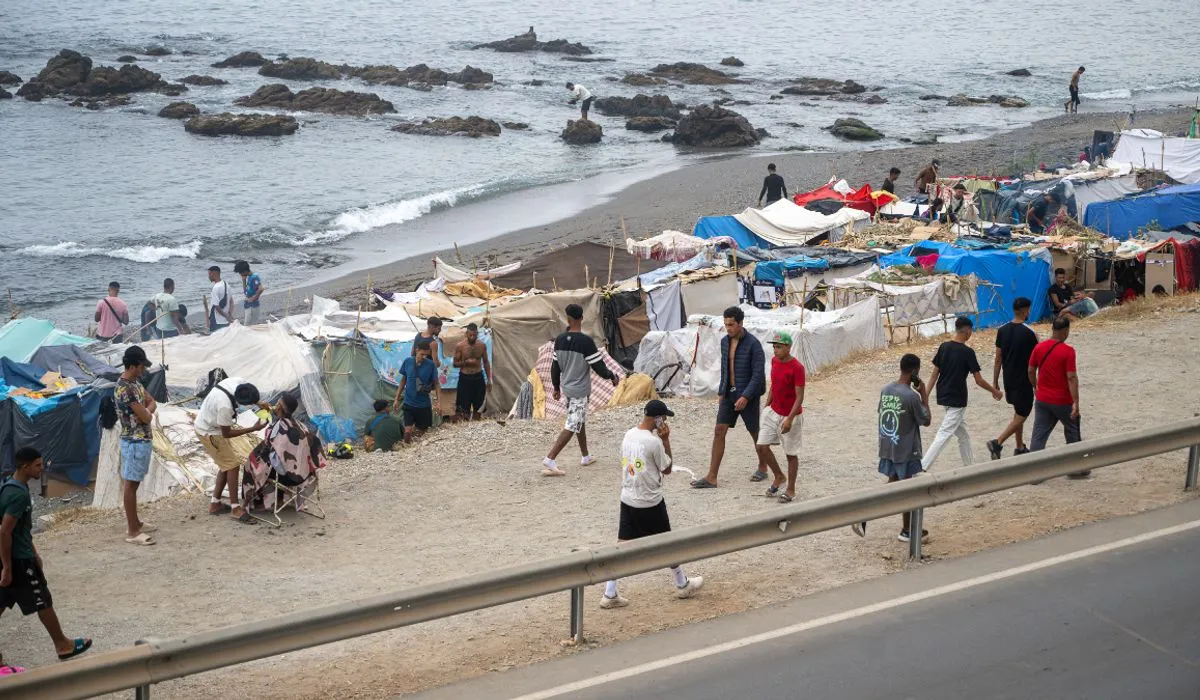
With over 6,000 individuals still categorized as 'invaders' in Ceuta, including approximately 1,500 minors, Sánchez is banking on Morocco's cooperation to facilitate their departure. The mystery surrounding the mass exodus of 63,000 individuals from Ceuta in early August remains unsolved, with police reports hinting at Moroccan security agents directing the flow of migrants. Sánchez's strategy appears to involve maintaining diplomatic relations with Rabat to ensure the remaining individuals vacate the Spanish enclave without further incident.
The political autumn in Spain is poised to be tumultuous, with general elections approaching in July 2027, contingent on the absence of crises within Sánchez's PSOE party due to dismal electoral forecasts. This political season will coincide with a series of significant international elections, raising the stakes for Sánchez as he grapples with dwindling support from parliamentary allies and increasingly extreme political rhetoric from within his coalition. For instance, Ione Belarra of Podemos has controversially advocated for severing ties with Morocco until it transitions to democracy, illustrating the mounting pressure on Sánchez from his party's left flank.
While the Ceuta crisis has somewhat abated, it remains precariously close to reigniting. Sánchez has announced plans to integrate Ceuta and Melilla into the EU's Customs Union, promising substantial economic, health, and security improvements for the region. Nevertheless, as the political course unfolds, it is crucial to recognize the delicate balance Sánchez must maintain between appeasing national sentiment and managing international relations, particularly with Morocco.
As reported by vozpopuli.com.