
Feijóo Challenges Sánchez Over Cybersecurity Concerns
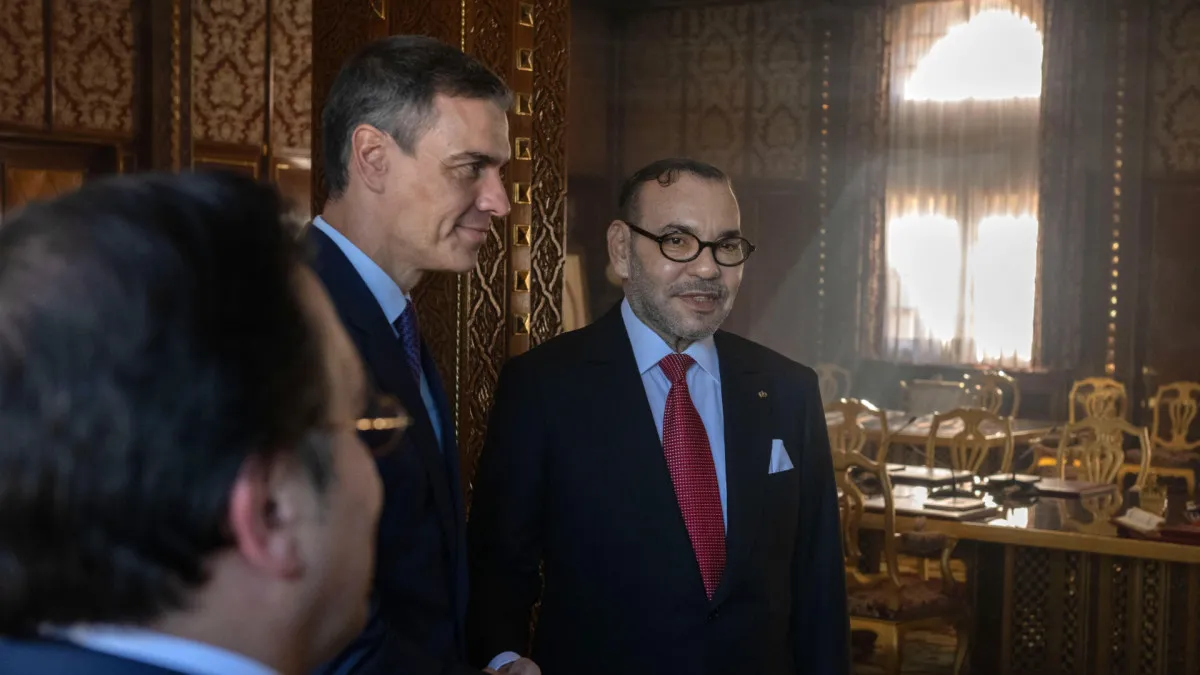
During a recent session in the Spanish Parliament, Alberto Núñez Feijóo, the leader of the opposition, did not shy away from addressing a highly sensitive issue that has been a point of concern for the Spanish government. He pointedly questioned Prime Minister Pedro Sánchez about his connection to Morocco, asking, "What document, conversation, or indication was on your phone that leads you to act this way? Why are you afraid of Morocco? What does Morocco know about you?" Feijóo emphasized that Spain cannot have a president under duress, highlighting the gravity of the situation.
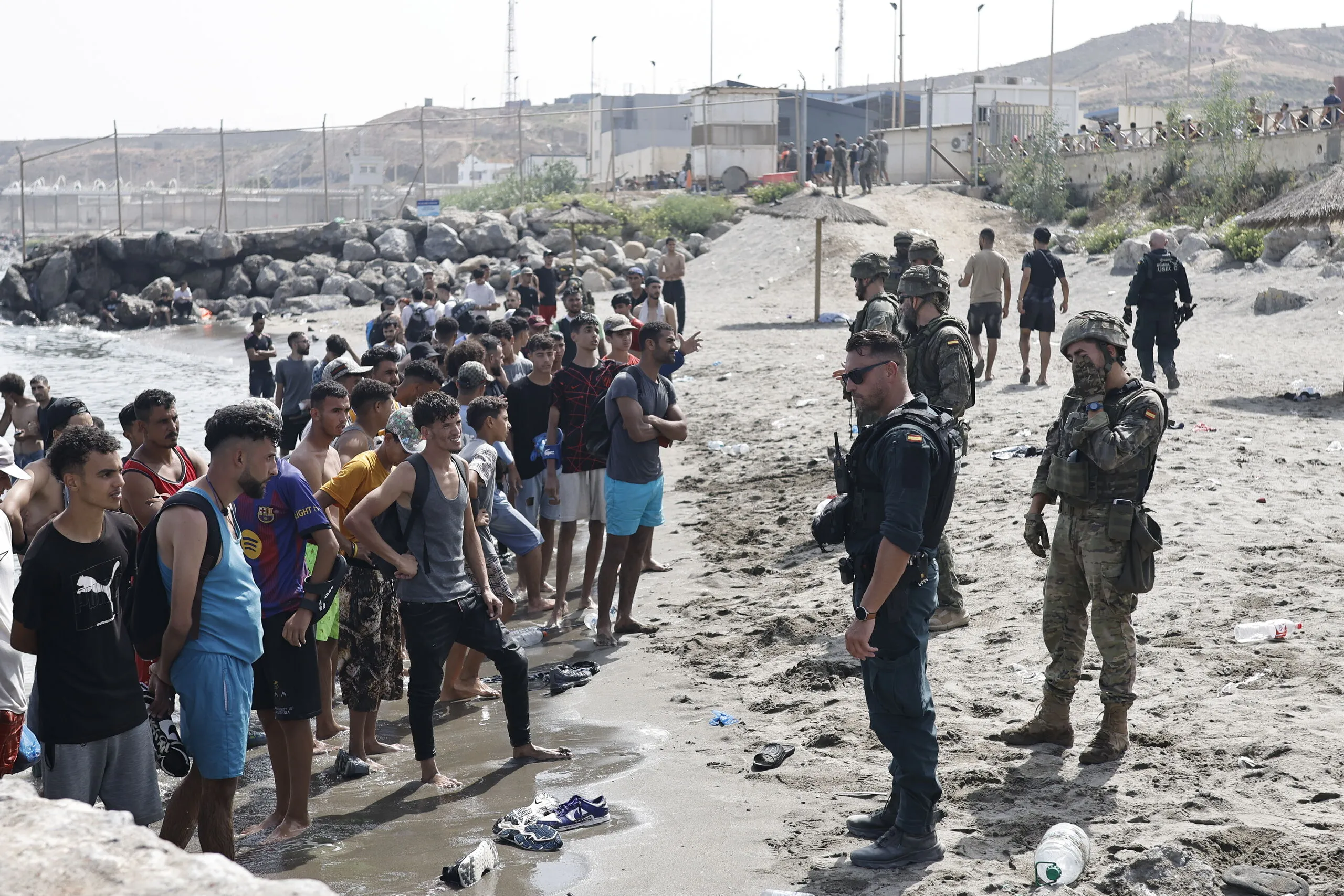
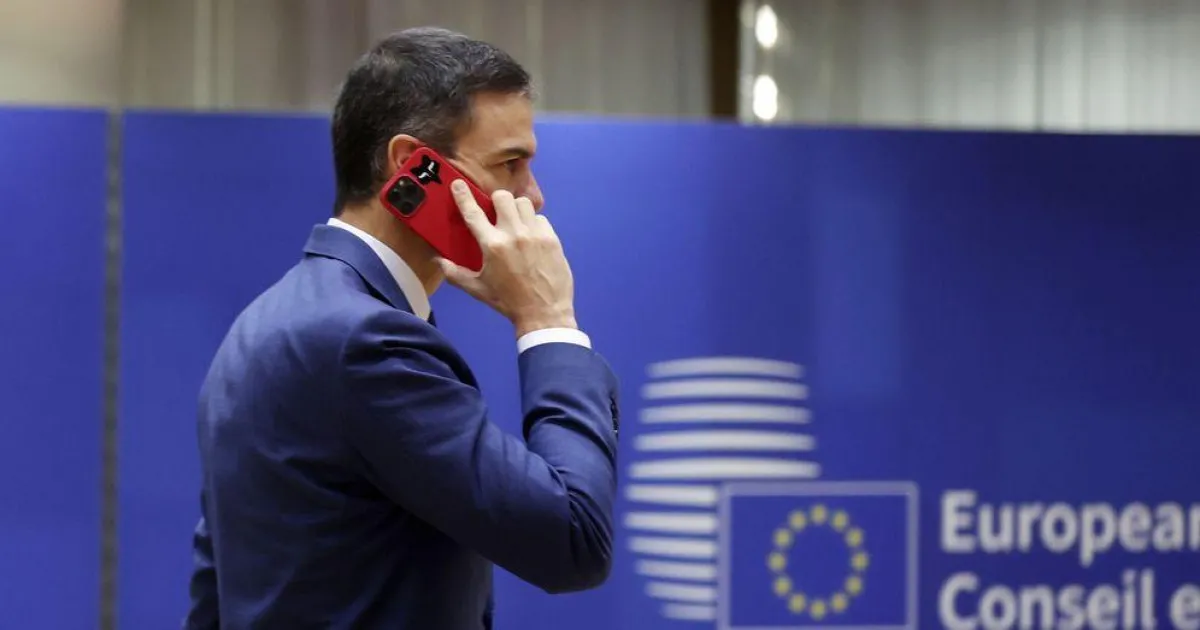
The backdrop to Feijóo's remarks lies in a significant breach of security involving Sánchez, who reportedly had over 2.57 gigabytes of data stolen from his mobile phone between October 2020 and December 2021. This breach, confirmed by the National Cryptologic Centre, has gained renewed relevance amid the ongoing political crisis following the mass migration events of July 30 and 31, where thousands of illegal migrants crossed into Spain. Morocco has seized on this incident, creating a narrative that has put the Sánchez administration on the defensive.
Israel's Complicity in the Espionage Scandal
Morocco, referred to as a "loyal partner" by the Spanish government, is reportedly taking advantage of the ambiguity surrounding this espionage incident, which remains shrouded in mystery. Despite various intelligence agencies' attempts, the specifics of the stolen information have not been disclosed. The complicity of Israel, a long-time ally of Morocco and the owner of the spyware used to breach Sánchez's phone, adds another layer of complexity. The Pegasus software, developed by the Israeli firm NSO Group, is believed to have been employed in the attack, raising questions about the motives and relationships at play, especially considering the strained ties between Sánchez and Israeli Prime Minister Benjamin Netanyahu.
The breach itself reportedly involved multiple attacks on Sánchez’s phone, particularly peaking in May 2021, coinciding with a significant influx of migrants at the Ceuta border. Other high-profile figures, including ministers responsible for Spain's security, were also targeted. The issue escalated to the point where the Spanish government attempted to investigate the incident through the National Court, but their requests for cooperation from Israel were met with silence. Judge José Luis Calama's efforts to obtain information from the NSO Group and the Israeli government ultimately proved futile, culminating in a provisional dismissal of the case due to a lack of cooperation.
In a twist of fate, just days after the case was shelved, Israel recognized Moroccan sovereignty over Western Sahara, mirroring a similar move made by Spain the previous year to ease diplomatic tensions. The ongoing saga took another turn in early 2024 when the case was reopened following a European Investigation Order from France, linking the Pegasus spyware to multiple breaches of French officials' phones. However, once again, attempts to engage with Israeli authorities were met with obstruction, leading to another premature end to the investigation.
As Sánchez attempts to bolster cybersecurity measures, with over €2 billion allocated to enhance national security, the question remains whether these efforts will suffice in the face of such vulnerabilities. The damage has been done, and the implications of this espionage scandal continue to loom large over Spanish politics.
As reported by eldebate.com.