
Upcoming Surge in Fuel Prices Expected in Morocco
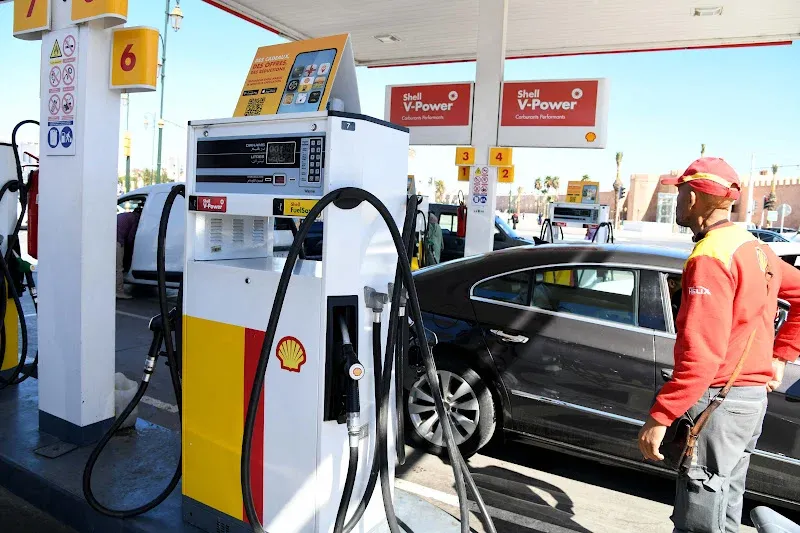
The attention of consumers in Morocco is currently focused on the anticipated periodic update of fuel prices at gas stations, as forecasts indicate a clear upward trend in prices, according to insights from industry sources shared with Hespress. A responsible source from the National Union of Fuel Station Owners and Managers in Morocco revealed that the expected increase in fuel prices remains uncertain, relying heavily on speculation among professionals. This uncertainty is further exacerbated by the ongoing conflict in the Middle East, with predictions suggesting that the price of diesel could rise by two dirhams or slightly more.
The source stated, "Current figures remain speculative and preliminary; however, field indicators suggest a significant increase is on the horizon. This potential surge could exceed the two dirham mark by the middle of March." They further mentioned that if this substantial increase is confirmed, it might be implemented in phases to mitigate sudden impacts on consumers' purchasing power and to allow for smoother adjustments.
Speculations and Market Dynamics
The same source emphasized that the forecasts and analyses regarding the fluctuations in fuel prices held by professionals do not differ significantly from what is discussed by the general public or what is circulated in the media and on social networks. They noted that professionals lack precise and official information on this matter, as they are not provided with updates from relevant authorities. Despite attempts by Hespress to contact a source from the Moroccan Petroleum Syndicate, no response was received.
The spokesperson explained that gas station owners primarily follow the commercial strategies of their suppliers without having a comprehensive understanding of the mechanisms for updating prices. This includes factors such as available stock levels, the impact of the dollar exchange rate, transportation costs, and various technical elements that remain obscure to them, all of which contribute to the final price calculation.
Practically, the role of these professionals is limited to placing supply orders, which they receive within 24 to 48 hours, while notifications about new prices are often communicated at the last moment. For instance, if a price update is scheduled for the upcoming Sunday, station owners typically receive the new price only shortly before its implementation.
The lack of access to official information means that any discussions regarding future price forecasts are merely personal opinions rather than grounded in precise technical data available to professionals.
March began with a slight actual increase in the prices of diesel and gasoline, officially taking effect at the start of the month. This increase was confirmed by industry sources at that time, amounting to 25 centimes (0.25 dirhams) for both diesel and gasoline.
February witnessed notable fluctuations in fuel price boards, with several key players in the national market implementing varied relative increases among companies, as part of the "periodic price update." In February, diesel prices surged by about 35 centimes per liter, while premium gasoline saw an increase of approximately 11 centimes.
Calls for Intervention
In light of these developments, Hussein Yamani, an energy sector expert and General Secretary of the National Federation of Petroleum and Gas, stressed the need for Moroccan authorities to temporarily abolish the liberalization of fuel prices. He urged a return to regulation that protects the interests of economic actors while safeguarding consumers' rights and maintaining purchasing power against ongoing erosion.
Yamani also called for necessary measures to address the declining national stock of petroleum products and to clarify responsibilities between the government and economic actors in the petroleum and gas sectors. He advocated for activating hedging mechanisms against fluctuating fuel prices.
Moreover, he suggested reviving the Moroccan Oil Refinery, starting with storage capabilities and subsequently resuming oil refining through various possible means, including transferring the assets of the Samir Company to settle debts owed to the Moroccan state.
As the American-Israeli conflict against Iran enters its second week, the energy expert noted that international market platforms indicate crude oil prices have reached $100 per barrel, while the cost of diesel is approximately $9.5 dirhams per liter. He cautioned that the rising international prices have not been alleviated by efforts to calm the situation, such as the cessation of hostilities or tapping into strategic reserves.
As reported by hespress.com.