
Challenges of Rebuilding in the High Atlas Region
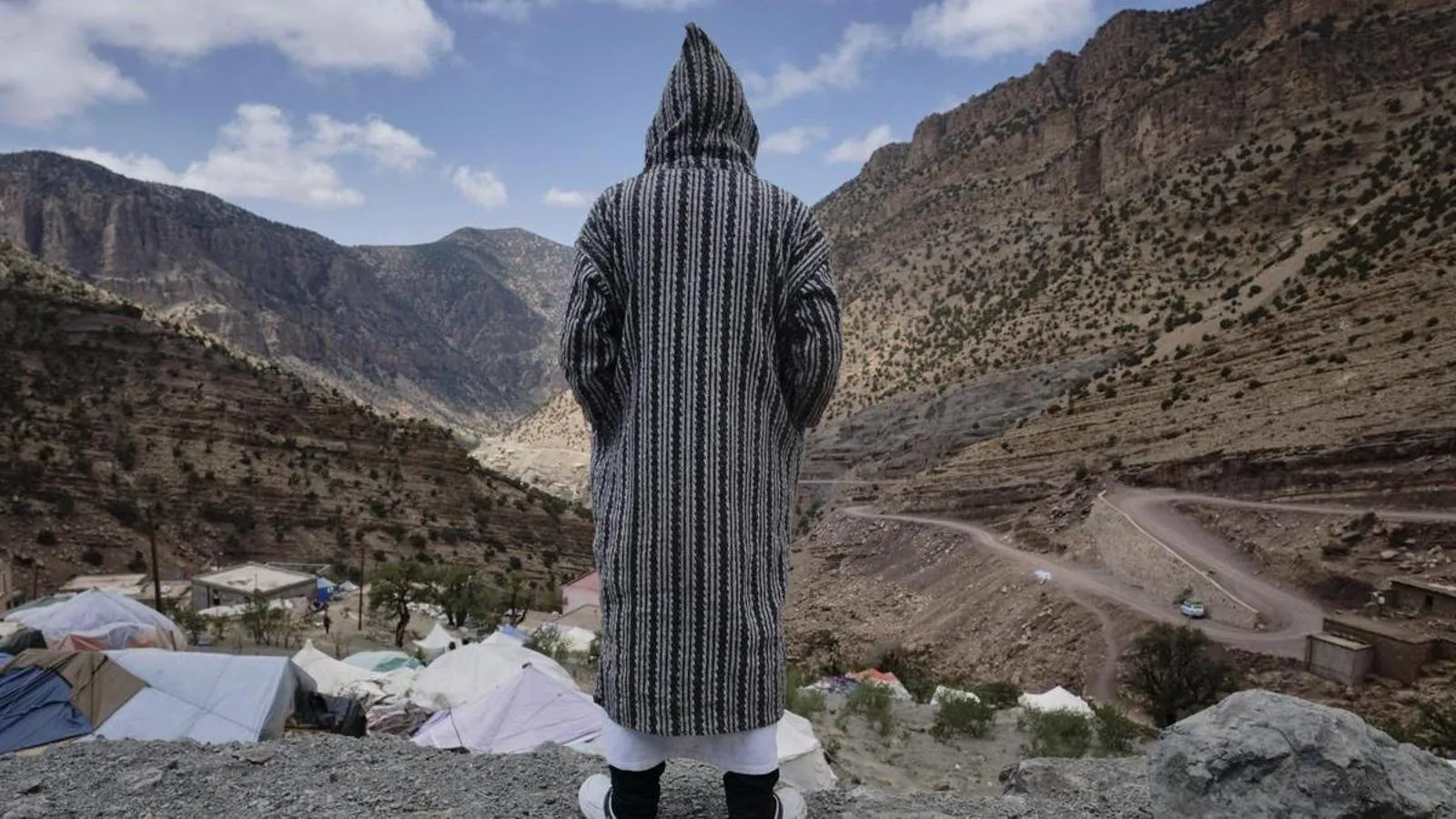
Three years have passed since a devastating earthquake struck Morocco, claiming nearly 3,000 lives and leaving countless communities in despair. The earthquake, which registered a magnitude of 6.8, particularly affected the Amazigh communities nestled within the High Atlas mountains. Today, as some villages begin to see reconstruction efforts, the focus has transcended mere rebuilding; it now encompasses the preservation of a rich cultural heritage. Amidst the rubble and new concrete structures, stories of loss and resilience echo through the valleys, exemplified by individuals such as Aisha, who lost her child in the disaster and has since lived in a tent, grappling with the pain of her past while navigating the uncertainties of the present.
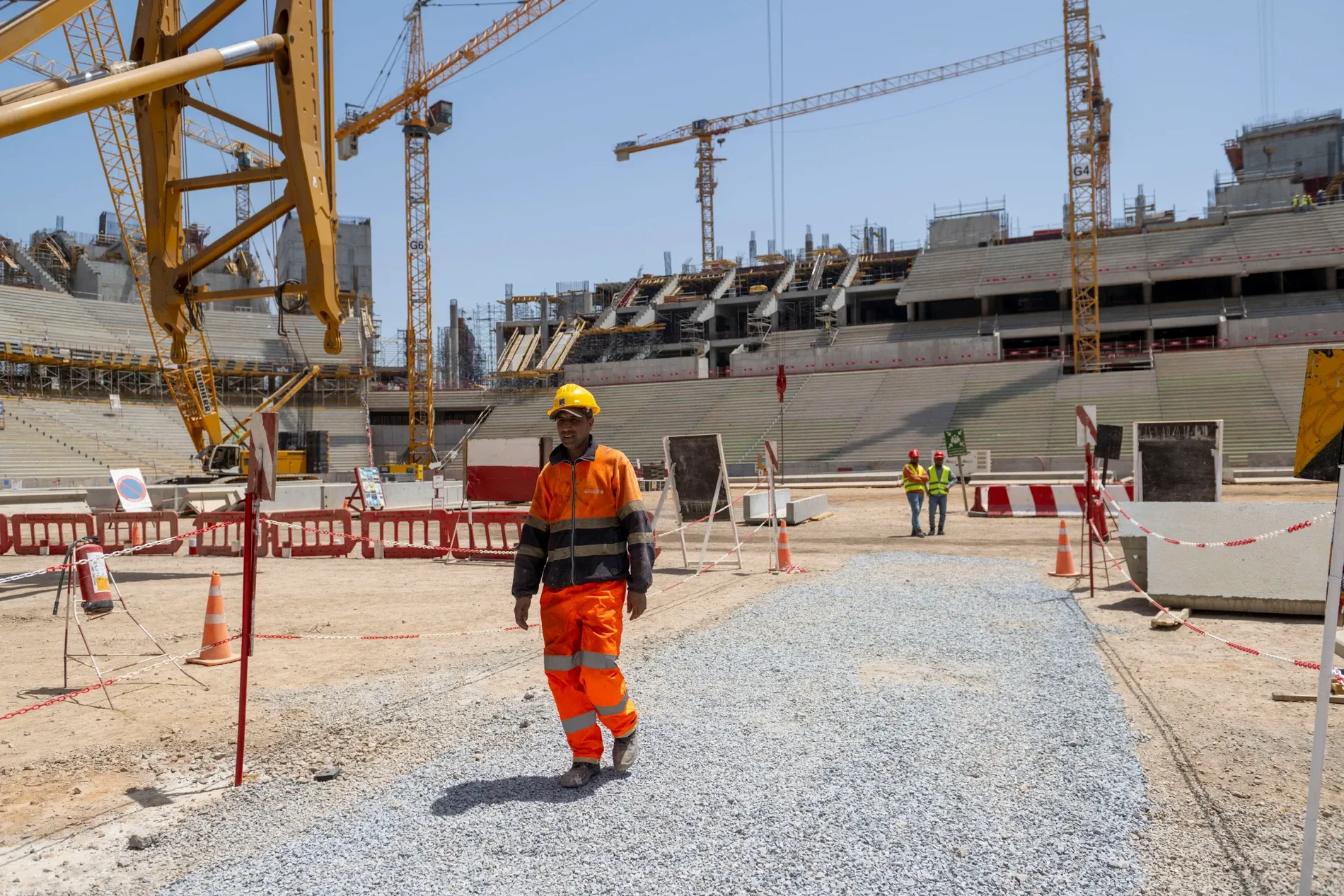
The Moroccan government's response included a five-year plan to allocate 120 billion dirhams (approximately 11 billion euros) for rebuilding and providing monthly stipends to displaced families. However, the execution of this plan has been fraught with delays, lack of transparency, and protests from the affected communities, who feel neglected as national priorities shift toward major sporting events. The reconstruction process has highlighted the complexities of rebuilding in remote areas, where traditional techniques, often dismissed in favor of modern materials like reinforced concrete, have been critical to the cultural identity of the Amazigh people.
Modern Solutions Versus Traditional Techniques
As reconstruction progresses, a crucial debate has emerged: the choice of materials and methods used in the rebuilding process. The earthquake has led many to associate traditional building materials such as raw earth and stone with vulnerability, prompting a shift towards the perceived safety of concrete structures. However, experts warn that this approach may overlook the unique challenges of the mountainous terrains and the cultural significance of traditional architecture. Salima Naji, an architect dedicated to preserving Morocco's vernacular architecture, argues for a balanced approach that marries traditional techniques with modern engineering standards, ensuring both safety and cultural preservation. Projects like the one she supervises in the Ourika Valley demonstrate the potential for integrating seismic safety measures with local building practices, aiming to create homes that not only withstand future earthquakes but also honor the community's heritage.
The ongoing reconstruction efforts and the struggles of the Amazigh communities serve as a poignant reminder of the need for a thoughtful approach to rebuilding. As they navigate the aftermath of tragedy, the emphasis on preserving culture while ensuring safety could pave the way for sustainable development in the region. The lessons learned from this disaster may also resonate globally, highlighting the importance of culturally sensitive reconstruction practices in the face of natural calamities.
As reported by en.ara.cat.