Activism for Artistic Freedom in Morocco
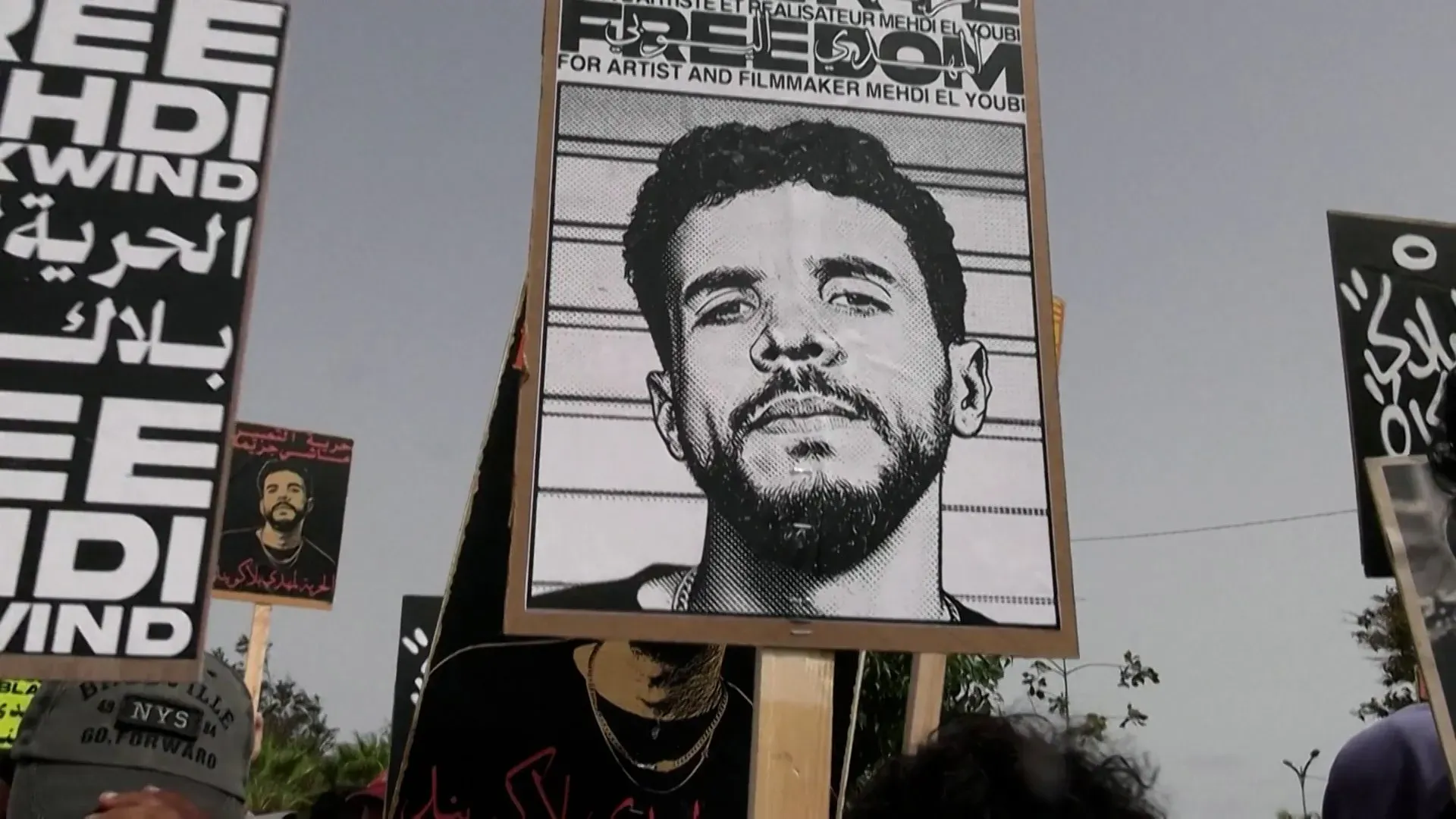
In a compelling display of solidarity and activism, a significant number of protesters gathered outside a courthouse in Casablanca, Morocco, to advocate for the release of the prominent rapper Mehdi El Youbi, famously known by his stage name, Mehdi Black Wind. The demonstration was triggered by El Youbi's recent arrest, which has raised concerns regarding freedom of expression and the treatment of artists in the region. Known for his outspoken criticism of the Moroccan government, El Youbi has become a significant figure in the cultural landscape, often using his music as a platform to address social and political issues. The protesters, a mix of fans and human rights advocates, chanted slogans calling for justice and the unconditional release of the artist, highlighting the broader implications of censorship and governmental oppression faced by artists in Morocco.
The Broader Context of Artistic Expression in Morocco
El Youbi's arrest has sparked an urgent conversation about the state of artistic freedom in Morocco, where government censorship often stifles creative expression. His supporters argue that the rapper's lyrics, which reflect societal issues and critique governmental policies, should be protected under the rights to free speech and artistic expression. This incident is not isolated; it mirrors a growing trend where artists, particularly those who challenge the status quo, face legal repercussions for their work. The public outcry for Mehdi Black Wind serves not only as a plea for his release but also as a rallying point for the rights of all artists in Morocco who seek to express their views without fear of persecution. As the situation unfolds, the international community watches closely, raising awareness of the importance of protecting artistic voices in societies around the world.
As reported by aljazeera.com.