
A Glimpse into Rabat's Architectural Journey
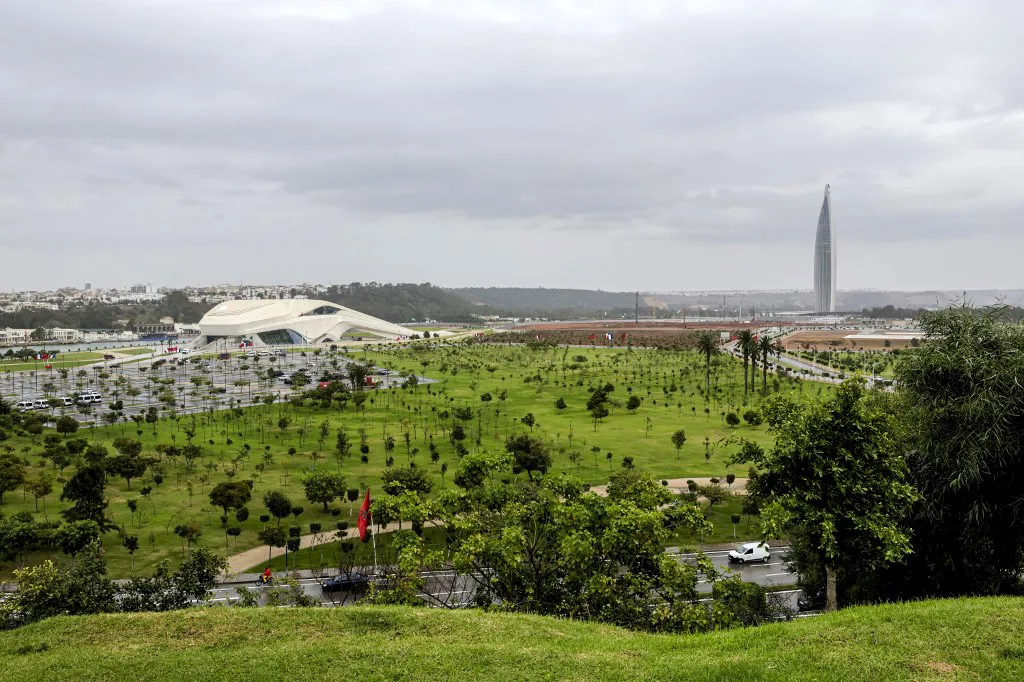
Rabat, the capital of Morocco, has seamlessly blended its rich historical heritage with contemporary architectural advancements throughout the years. The iconic Mohammed VI Tower stands as a testament to this evolution, reaching a remarkable height of 250 meters and boasting 55 floors, making it the tallest structure in the city and the third tallest in Africa. Since being designated a UNESCO World Heritage site in 2012, Rabat has continued to redefine its skyline, showcasing a fascinating juxtaposition of ancient and modern design.
From the vantage point of the Mohammed VI Tower, one can witness centuries of architectural styles laid out before them. The view encompasses the majestic Royal Theater, designed by the renowned architect Zaha Hadid, the historic Kasbah of the Oudayas dating back to the Almohad dynasty in the 12th century, and the towering Hassan Tower, all of which contribute to the city’s architectural tapestry. The panoramic view also includes the serene Bouregreg River, which gracefully flows into the Atlantic Ocean, adding a natural element to the urban landscape.
The interior of the Mohammed VI Tower is a celebration of Moroccan craftsmanship, featuring intricate designs and motifs that pay homage to the country's rich artisan heritage. Interior designer Pierre-Yves Rochon meticulously incorporated elements inspired by local traditions, such as beautifully embroidered curtains and finely crafted fixtures, ensuring that the modern structure remains deeply connected to its cultural roots. The lobby showcases stunning sculpted friezes that narrate the histories of Rabat and its neighboring city, Salé, further enriching the visitor experience.
Contemporary Creations Intertwined with Moroccan Heritage
In addition to the Mohammed VI Tower, the Grand Theater of Rabat exemplifies the dialogue between contemporary architecture and Morocco's storied past. This landmark, another masterpiece by Zaha Hadid, is positioned along the banks of the Bouregreg River and is designed to resemble a fluid sculptural form, inspired by the river's dynamic flow. Inside, the theater's auditorium features crystalline geometry, reminiscent of muqarnas, the distinctive stalactite vaults characteristic of Islamic architecture, bridging the gap between modernity and tradition.
As these two remarkable structures emerge on the architectural scene, they contribute to the evolving identity of Rabat. Alongside the city's historic medina, Art Deco buildings, and brutalist architecture, the Mohammed VI Tower and the Grand Theater not only enhance the visual landscape but also encapsulate the vibrant cultural narrative of Morocco. Together, they represent a future where contemporary design coexists harmoniously with the nation's rich heritage, inviting both locals and visitors to experience the dynamic essence of Rabat.
As reported by lecourrierdelatlas.com.