
Royal Engagements Amidst Tensions
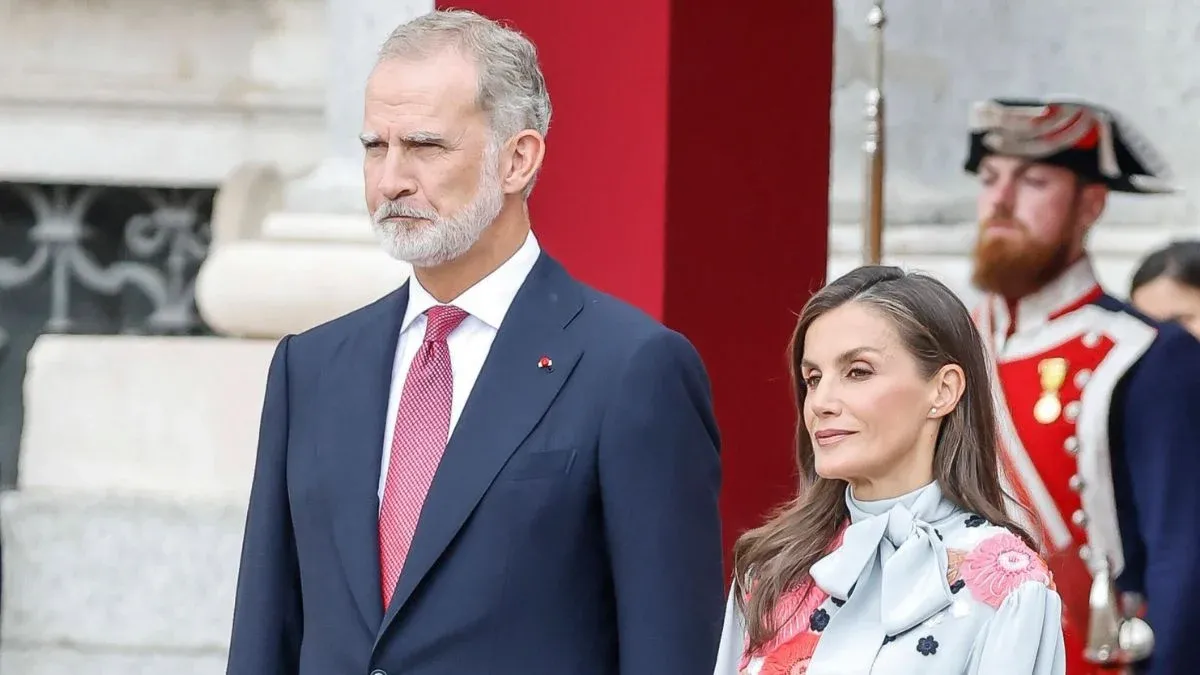
In both Madrid and Rabat, all eyes are fixed on the Spanish royal couple as they prepare for a significant diplomatic visit. On October 13 and 14, King Felipe VI and Queen Letizia will visit Ceuta and Melilla, two Spanish enclaves that Morocco claims as its own. This visit has reignited a longstanding and sensitive issue between the neighboring kingdoms, prompting a watchful gaze from Moroccan diplomacy, which is notably anxious about the implications of this royal engagement.
The announced visit has stirred tensions regarding the two occupied presidencies, placing the relationship between Rabat and Madrid under a delicate examination. After twelve years of reign, King Felipe VI has never set foot in these autonomous cities, a fact that the Casa del Rey publicly acknowledged on October 1, marking the end of this unusual situation. The royal couple will first visit Ceuta on October 13, just a day after Spain's national day, before proceeding to Melilla on October 14.
A History of Diplomatic Strain
The last visit by a Spanish king to these enclaves occurred in 2007, which led to the Moroccan ambassador being recalled. Twenty years later, the shadows of that diplomatic crisis still loom over the upcoming visit, which aims to reaffirm Spain's presence in the region while simultaneously maintaining the rapprochement that has been gradually established with Morocco since 2022.
During the summer, Ceuta, with its population of over 80,000, faced an overwhelming influx of migrants. On July 30 and 31, more than 72,000 migrants from Morocco arrived at Ceuta, a situation that heightened tensions as Madrid sought to bolster its security measures in response to the massive arrivals. Tragically, around one hundred individuals perished, primarily due to drowning, while nearly 3,000 exiles were temporarily housed on Trampolín beach before being transferred to the Tarajal center. This operation coincides with the historical visit of Felipe VI and Queen Letizia, during which the king discussed the crisis with French President Emmanuel Macron, describing the circumstances in Ceuta as "unacceptable."
On the Moroccan side, civil society is mobilizing. The "Commission for the Liberation of Ceuta, Melilla, and the dependent islands," presided over by Yahya Yahya, convened in Al Hoceima. In this context, political scientist Abdelghani Ayadi cautions that the visit of King Felipe VI to Ceuta and Melilla should not be viewed as merely a ceremonial trip.
Madrid aims to reassure its partner while firmly asserting its sovereignty over the two enclaves. The central message is clear: for Madrid, Spanish-Moroccan cooperation does not imply a discussion on the sovereignty of these territories. According to Abdelghani Ayadi, the Moroccan equation is straightforward: maintain firmness on principles while fostering openness in partnerships. The real question remains as to how far King Mohammed VI will allow this visit to remain purely symbolic.
As reported by closermag.fr.