
Mass Influx of Migrants Challenges Spain and EU Stability
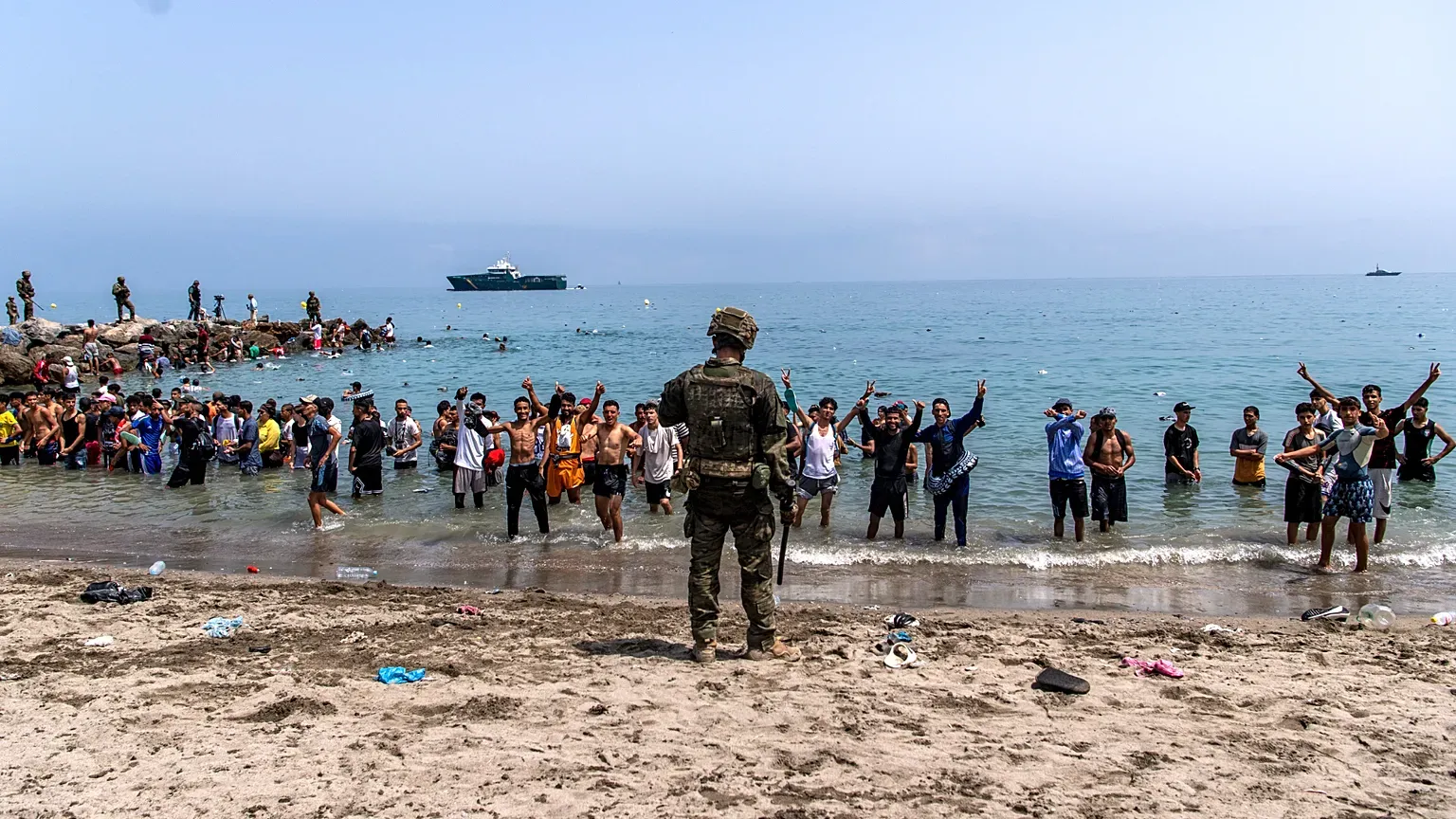
The Spanish enclave of Ceuta, located on the northern coast of Morocco, has recently witnessed an unprecedented influx of migrants, with estimates suggesting that between 49,000 to 60,000 individuals crossed into the territory within a single day. This sudden surge has led to significant political ramifications, as Spain faces criticism from several European Union (EU) nations, some of which are calling for Spain's suspension from the Schengen Area due to concerns over border security and management. Following the initial wave, it is reported that around 48,000 migrants have already returned to Morocco, highlighting the dynamic nature of this crisis. Spanish Prime Minister Pedro Sanchez characterized the situation as an "attack" on Spain's territorial integrity, attributing it to the operations of human smuggling organizations that spread rumors of an open border after a recent court ruling in Spain.
Ceuta, along with its sister enclave Melilla, has long been a focal point for migrants from Africa seeking to reach the European Union. The Spanish government has mobilized military units to support local law enforcement in managing the situation, which has been described by the President of Ceuta, Juan Jesas Vivas, as a pressure that is impossible to contain, given that the influx represents nearly 70% of the enclave's total population of approximately 87,000 residents. Tragically, reports indicate that at least 57 individuals have lost their lives in attempts to reach the shores of Ceuta.
EU Nations React to Spain's Migrant Crisis
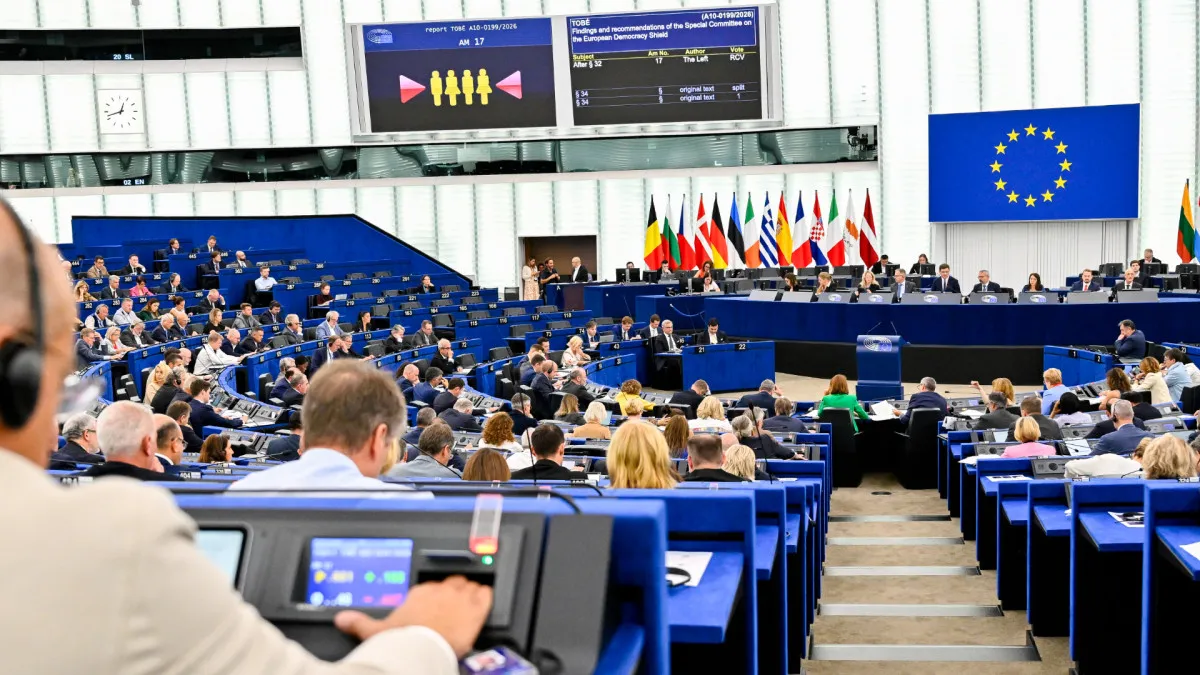
In response to the escalating crisis, various EU countries have voiced their concerns. Italy has taken a leading stance, with Prime Minister Georgia Meloni calling for Spain's exclusion from the Schengen Zone, stating that her government is prepared to take exceptional measures to address the situation, including the temporary suspension of the Schengen Agreement with Spain. France has also ramped up border controls, with Interior Minister Laurent Nunez directing immediate enhancements to security at the Spanish border. This move is part of a broader strategy that France adopted following terrorist attacks in 2015, which has since seen border controls extended repeatedly.
Finland has echoed Italy's sentiments, with Interior Minister Mari Rantanen describing Spain's failure to protect its external borders as a complete breakdown of responsibility. Meanwhile, leaders from Denmark and Germany have urged Spain to regain control over the situation swiftly, emphasizing the need for adherence to EU migration and asylum regulations. The crisis has drawn comparisons to the mass migrations of 2015, invoking memories of the challenges faced by the EU during that period.
Additionally, EU Commission President Ursula von der Leyen has called for a stringent approach to migration, stressing the need to dismantle smuggling networks and ensure rapid deportations in line with established EU rules. The crisis in Ceuta has not only raised questions about Spain's ability to manage its borders but also highlighted broader issues within the EU regarding migration policy and international cooperation.
As reported by orf.at.