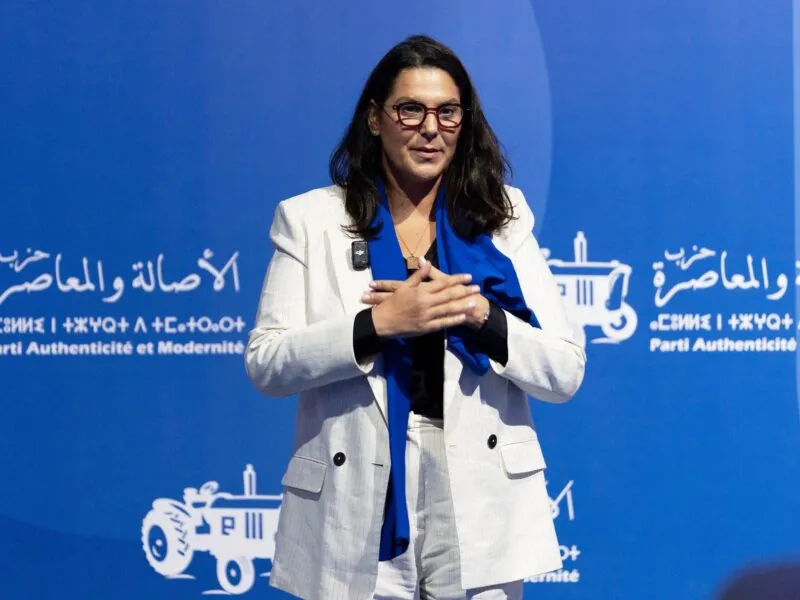
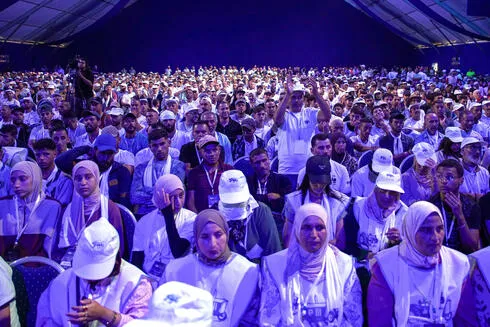
On Wednesday, the Authenticity and Modernity Party (PAM), part of Morocco's current governing coalition, emerged victorious in the country's latest elections. However, the electoral process was significantly overshadowed by an unprecedented level of abstention, with voter turnout plummeting to just 38%. This alarming figure reflects a growing distrust among the populace towards the ruling class, alongside escalating concerns regarding unemployment and social inequality. The election results also occur within the broader context of the migration crisis in Ceuta that erupted at the end of July, which highlighted the dire circumstances faced by young Moroccans struggling to secure employment.
Between July 30 and 31, more than 70,000 individuals attempted to reach the Spanish enclave of Ceuta, either by swimming or on foot from Morocco. According to various Moroccan NGOs, the tragic outcome included dozens of missing persons and at least 141 confirmed fatalities. While many migrants were swiftly returned or deported back to Morocco, thousands—including minors and non-Moroccan migrants—remain in Ceuta, a territory typically home to 83,000 residents within an area of merely 18 square kilometers. This surge in migration was exacerbated by misinformation circulating on social media, suggesting that the border was open, which led to increased desperation among those wishing to leave Morocco.
Political Reactions and Tensions in Ceuta
The massive influx of migrants has generated significant tensions between the newcomers and the local Ceuta population, who have expressed their dissatisfaction through protests. Spanish Prime Minister Pedro Sanchez has faced criticism for his delayed response and failure to anticipate this crisis. Meanwhile, far-right factions in Spain have seized upon the situation to further their own agendas, amplifying the already heated discourse surrounding immigration. In Brussels, reactions have also been sharp, with divisions emerging over the appropriate course of action. Italian Prime Minister Giorgia Meloni has even called for the suspension of the Schengen Agreement with Spain, highlighting the growing rift within Europe regarding immigration policies.
The situation has also implicated high-profile figures within the world of sports, as players from Real Madrid, including Kylian Mbappé and Vinicius Junior, faced backlash for their lackluster display of support while wearing a t-shirt advocating for the people of Ceuta. Amidst this unfolding crisis, a pertinent question arises regarding Morocco's role: On Tuesday, Sanchez attributed the surge to failures in Moroccan border control. The following day, however, he commended the measures taken by the Moroccan authorities to bolster their border enforcement following renewed calls for migration to Ceuta circulating on social media.
As reported by lesechos.fr.