
Morocco's Legislative Elections Witness Historic Abstention Rates
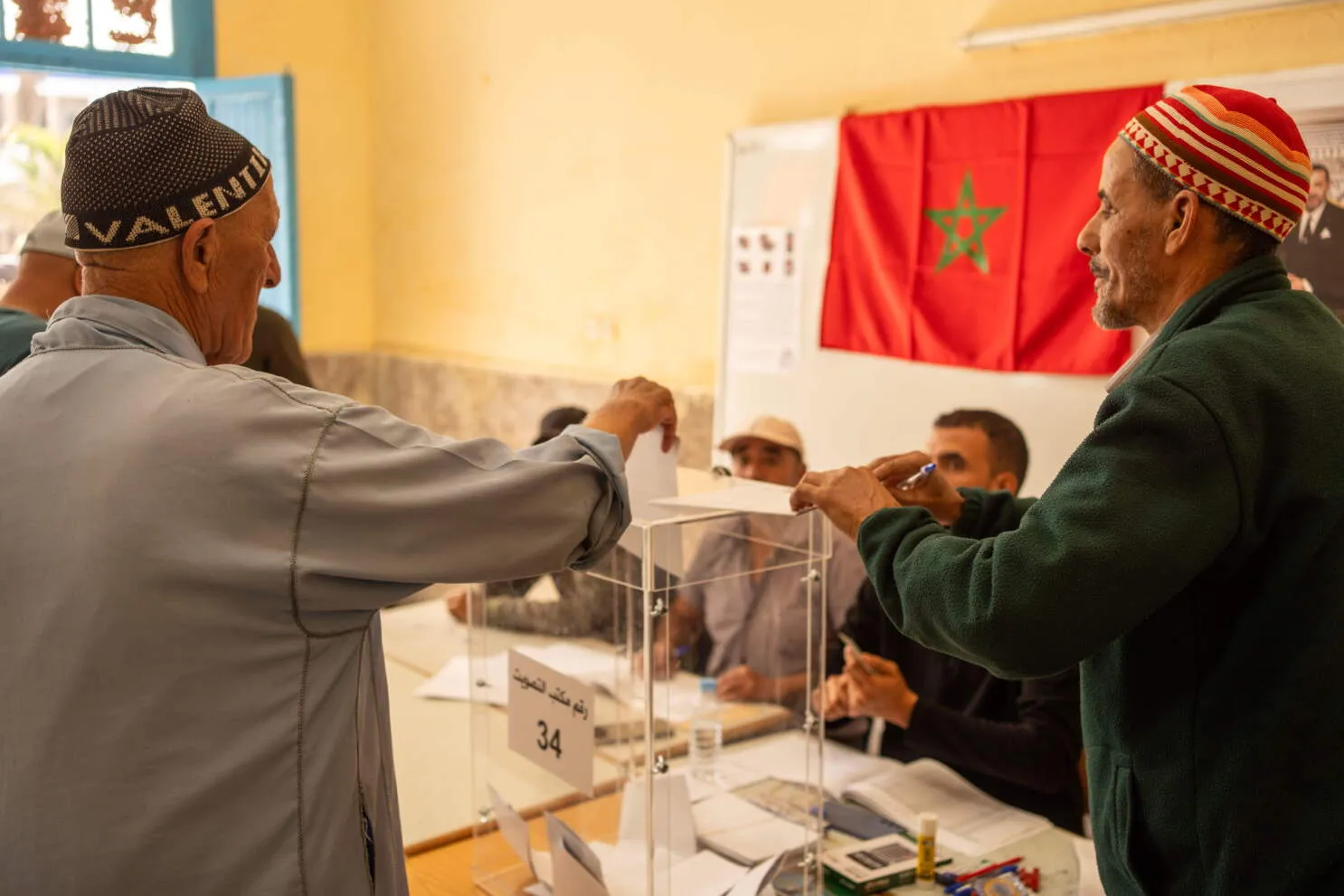
On September 23, 2026, Moroccan citizens participated in parliamentary elections, yet the most notable outcome was the unprecedented level of voter abstention, which plummeted to a mere 38.02%. This figure represents the lowest participation rate recorded since 2007, a stark decline from 50% in the previous election. This alarming trend raises serious concerns as many young Moroccans remain unregistered to vote, reflecting a growing disengagement from the political process. The social challenges faced by the youth have been brought to the forefront by movements such as Gen Z 212, alongside heightened tensions surrounding events in Ceuta, which have further highlighted the disconnect between the younger generation and the political landscape.
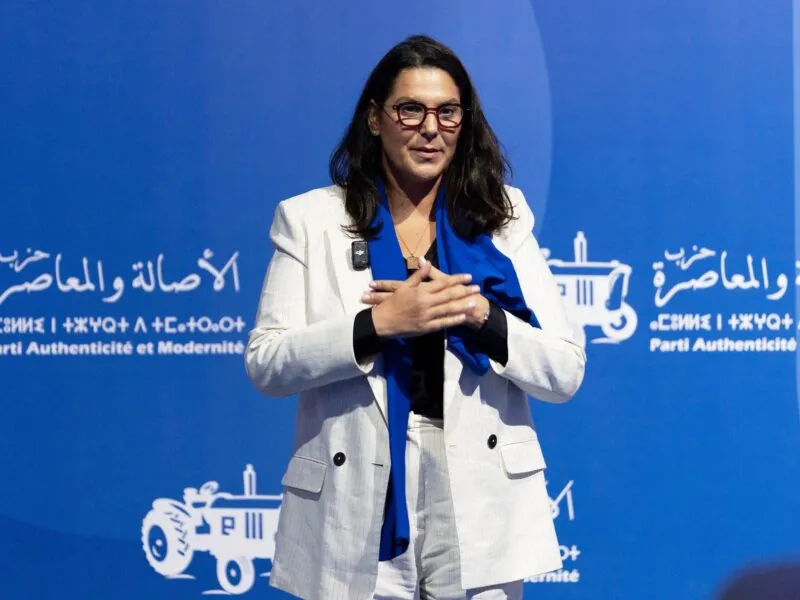
In terms of election results, the Authenticity and Modernity Party (PAM), perceived as closely aligned with the royal palace, emerged victorious by securing 97 out of 395 parliamentary seats. Following PAM, the National Rally of Independents (RNI), led by Prime Minister Aziz Akhannouch, claimed the second position with 66 seats, while the Istiqlal party garnered 65 seats. All three parties form the current governing coalition and are seen as supporters of the monarchy, under which most political power is centralized in King Mohammed VI. Notably, the Justice and Development Party (PJD), which faced a significant decline in the last election, has made a remarkable comeback by increasing its representation from 13 to 54 seats, showing a resurgence in Islamist support within the political sphere.
As reported by lopinion.fr.