
Spain's Financial Commitment to Migrant Support in Ceuta
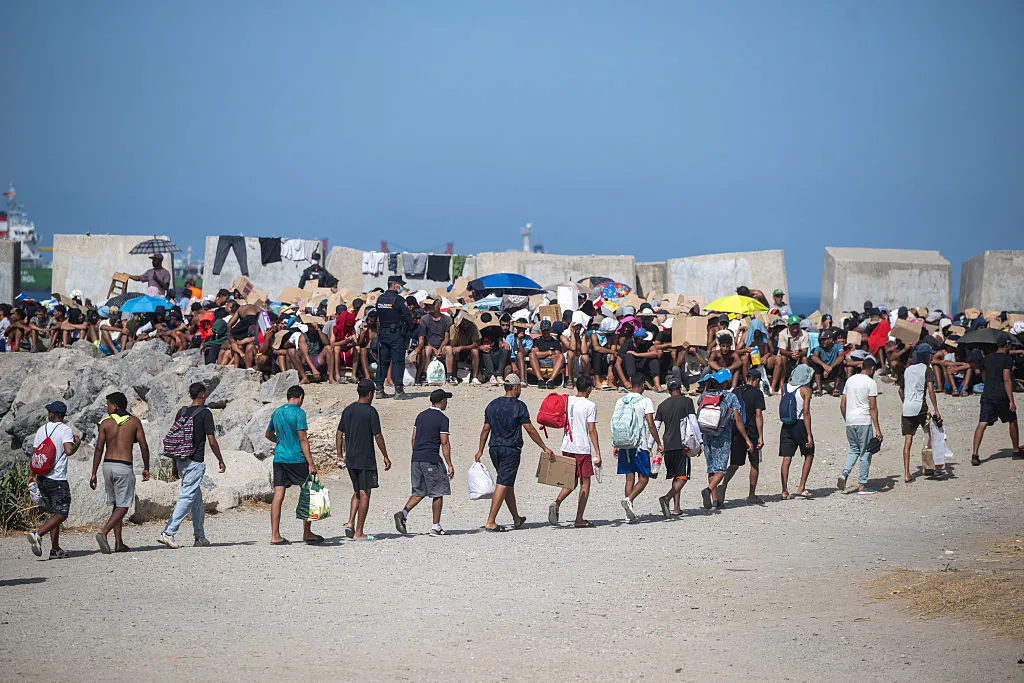
In a decisive move to address the overwhelming influx of migrants, the Spanish government has allocated a substantial aid package of €309 million to its North African exclave of Ceuta. This financial support is intended to facilitate the reception and care of migrants and is expected to be disbursed within the current year. The announcement, made in Madrid, underscores the gravity of the situation, particularly after a significant surge of migrant arrivals at the end of July. This influx saw approximately 72,000 migrants either swimming from Morocco or climbing over border fences to reach Ceuta.
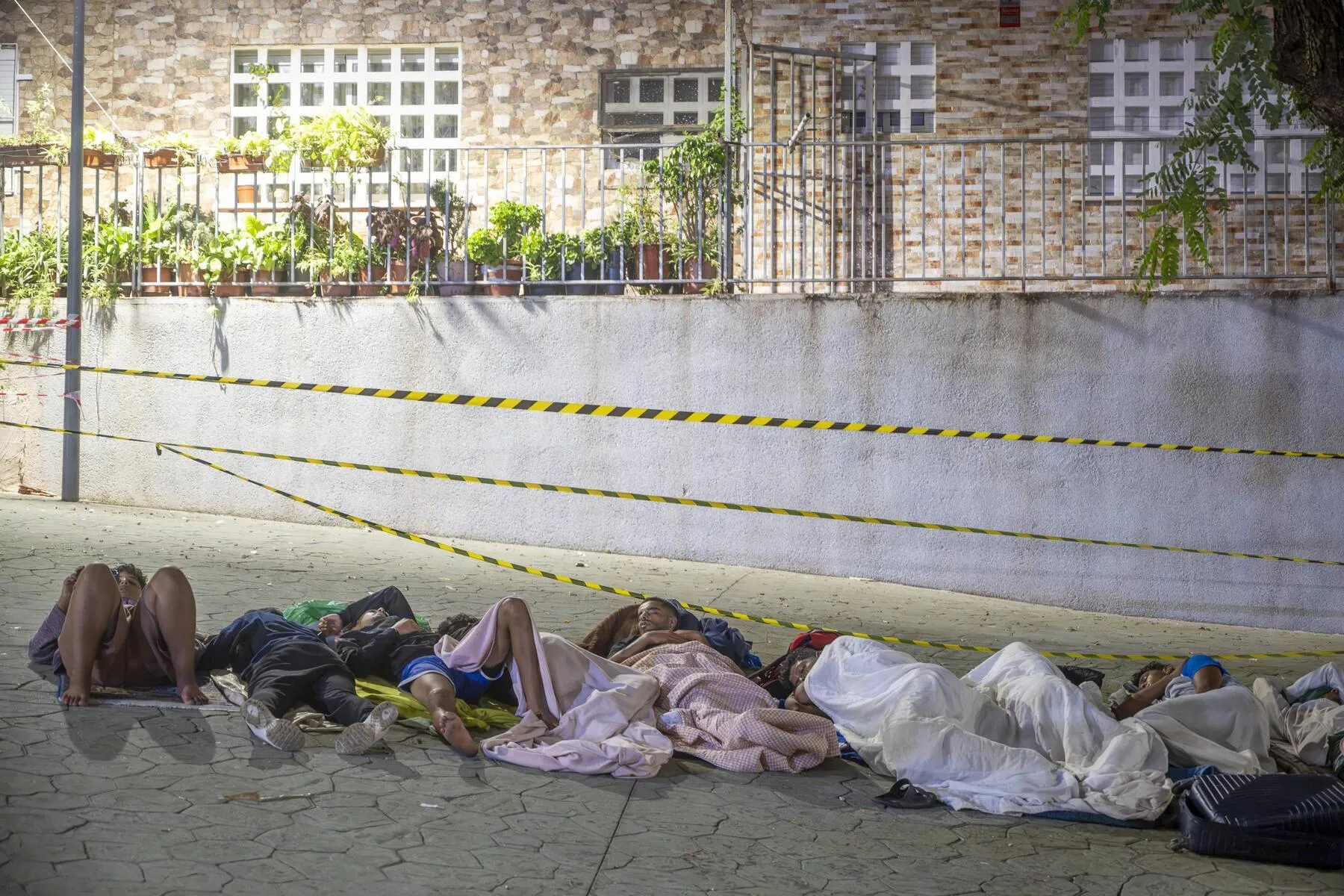
According to Spain's Interior Minister Fernando Grande-Marlaska, there were misinformation circulating on social media suggesting that individuals who reached the exclave by swimming would not be sent back. Most of these migrants returned to Morocco within hours of their arrival. However, as of a month later, government reports indicated that around 5,000 migrants, including 1,200 minors, still remained in the area. This prolonged presence has sparked increasing frustration among local residents, some of whom have taken to the streets to protest against what they perceive as the government's neglect of the exclave. Tensions have escalated to the point where some locals have resorted to violence against migrants.
The Sánchez administration faces mounting pressure as nationwide solidarity demonstrations are scheduled for Wednesday, aimed at supporting the people of Ceuta. These demonstrations are likely to include renewed criticism of the government's handling of the situation. Ceuta, along with the other North African exclave Melilla, has been a part of Spain for centuries, but it remains a contentious issue as Morocco also lays claim to these territories.
The newly approved aid package for Ceuta is designed to bolster public services, enhance security forces, and improve the reception and support of migrants. It allocates €21 million for essential public services, €90 million for security measures, and €118 million specifically for the accommodation and care of migrants. Additionally, €80 million is set aside to alleviate the economic burden on local businesses, self-employed individuals, and employees.
As reported by diepresse.com.