
Understanding Spain's Financial Assistance to Morocco
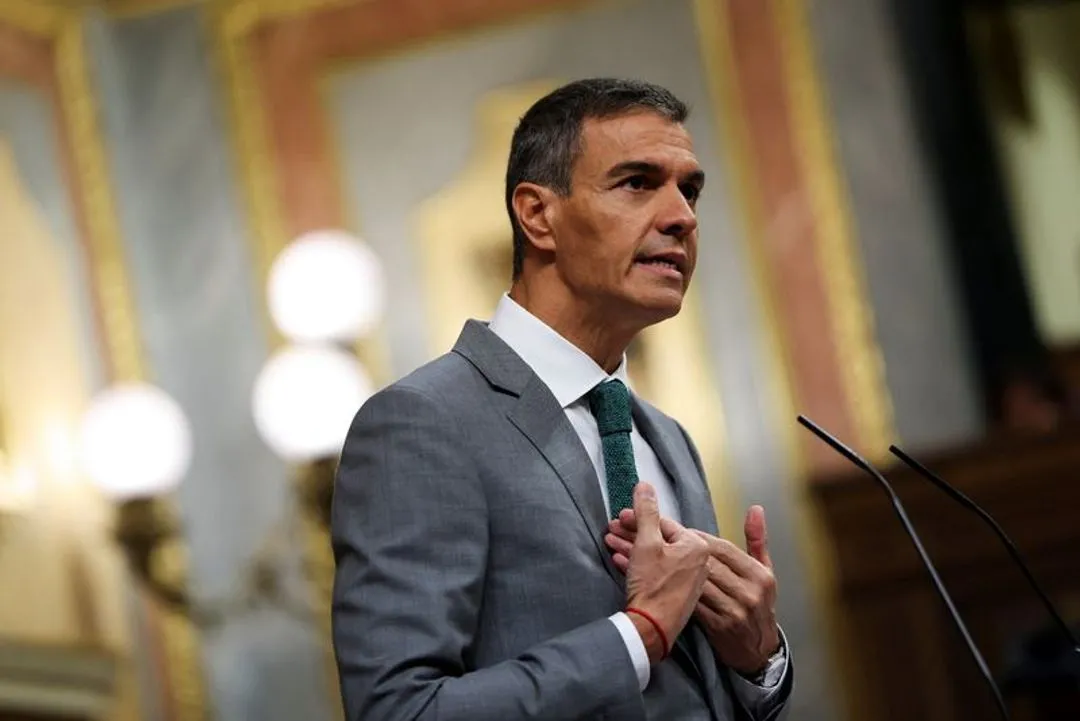
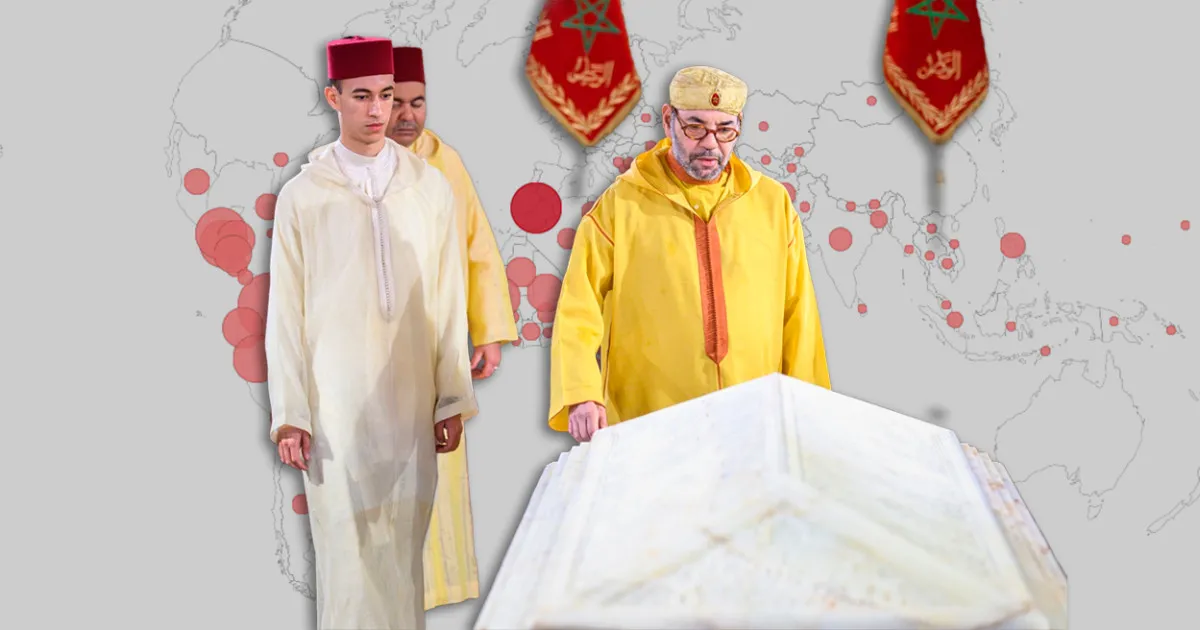
Spain's development aid to Morocco, which is provided as non-repayable grants, encompasses various projects funded by public money. These initiatives include support for transparent electoral processes, a goal that seems futile under the dictatorship of King Mohamed VI. This plan, lacking counterpart obligations and with minimal chances of success, is one of the primary areas where approximately €36.2 million annually, contributed by Spanish taxpayers, is allocated to the North African kingdom for development cooperation.
Theoretically, Spain's financial support to Morocco is intended to foster the development of a population that has witnessed tens of thousands of its citizens illegally crossing the border into Ceuta, a situation exacerbated by the Moroccan government's tacit acceptance of these crossings while receiving substantial financial donations from Spain. Between 2020 and 2024, Morocco has received €181.2 million from Spain, averaging €36.2 million each year, according to direct grant statistics from the Organization for Economic Cooperation and Development (OECD).
Key Areas of Financial Support and Their Implications
This aid is aimed at various projects, including efforts to "promote transparent, inclusive, and reliable electoral processes as a foundation for strengthening democracy," which falls under a €6 million initiative for a dozen countries managed by the Spanish Agency for International Development Cooperation (Aecid). This agency operates under the Ministry of Foreign Affairs, European Union, and Cooperation, with its head, José Luis Albares, advocating for Morocco as a reliable partner, despite the ongoing challenges related to the migration crisis.
Spain also allocates funds to support Moroccan agriculture, which poses competitive challenges to Spanish products. This includes financial backing for producer organizations, with €500,000 shared with Tunisia, and €250,000 for crop protection against pests. Moreover, projects spearheaded by Aecid between 2024 and 2025 include significant allocations aimed at empowering women, such as €1 million for promoting female employment, €1.65 million for creating safe spaces, and €1.2 million for addressing and preventing gender-based violence. Alarmingly, among the migrants who have crossed into Ceuta are thousands of women and girls, with reports indicating that more than twenty have suffered sexual assaults during their journey.
In the broader context of international aid, from 2020 to 2024, Spain has allocated more funds to Morocco (€180.6 million) than to any other countries except Colombia (€323.1 million), Palestine (€229.6 million), Ukraine (€197.3 million), and Guatemala (€184.2 million). These contributions encompass more than just Aecid allocations; they represent a comprehensive audit of all aid from public bodies throughout Spain, as well as data from other OECD countries for comparative analysis.
Spain ranks among the top OECD donors for development cooperation to Morocco, with only France (€949 million), the United States (€632 million), and Germany (€469 million) contributing more during the 2020-2024 period. Morocco is the second-largest recipient of French aid, surpassed only by Côte d'Ivoire, while it ranks 33rd in Germany and 51st in the U.S. In Spain, Morocco holds the fifth position in terms of aid volume during this timeframe.
Aside from humanitarian assistance, Spain and the European Union have allocated hundreds of millions of euros to Morocco for strengthening border control. Currently, the European Union's plan, which entails €500 million approved for Morocco from 2021 to 2027, aims to enhance migration control, significantly exceeding the previous funding of €343 million between 2014 and 2020. Future funding frameworks are expected to be even greater.
Additionally, the Spanish Ministry of the Interior has provided various funds directly for activities aimed at combating irregular immigration, including €30 million allocated in 2022, as noted in the National System of Publicity for Grants and Aids. Since Fernando Grande-Marlaska became minister, €117 million has been directed towards combating immigration networks, with a portion allocated to Morocco among other African nations.
As reported by eldebate.com.