Political Turmoil as Migrant Crisis Unfolds
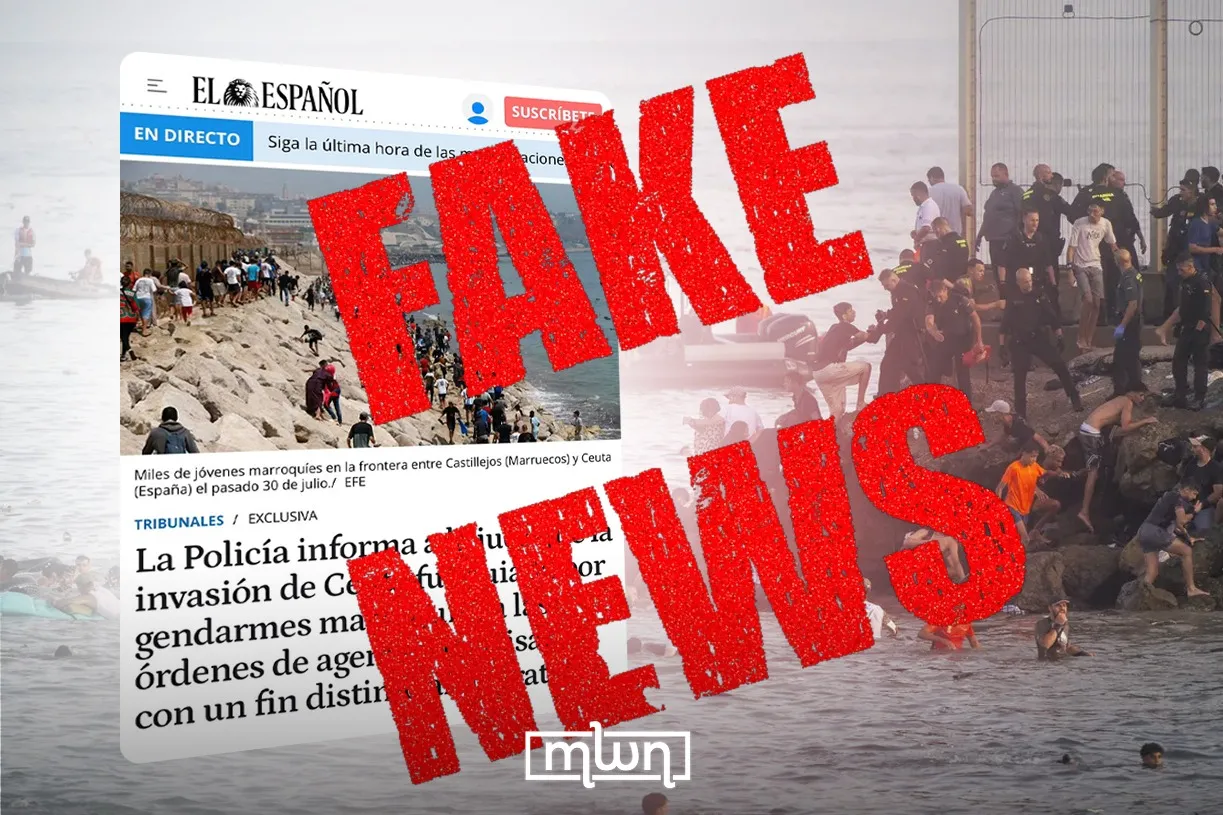
The Spanish government has found itself embroiled in a significant crisis following the emergence of a leaked police report that points to potential complicity from Moroccan forces in the recent surge of migrants crossing into Ceuta. This unprecedented border violation has placed Madrid in a precarious position, grappling with both domestic and international scrutiny. According to multiple media outlets referencing a law enforcement document, Moroccan authorities are alleged to have played a passive role in facilitating the transit of approximately 80,000 migrants into the Spanish enclave—a claim that the government vehemently disputes. The fallout from these allegations has created a political frenzy, compelling Spain's Interior Ministry to respond defensively, with Interior Minister Fernando Grande-Marlaska facing intense criticism for his management of this national security crisis, arguably the most severe in modern Spanish history.
In light of these revelations, Minister Grande-Marlaska has called for clarification from police regarding the claims, which starkly contradict the official narrative. A senior police official has since denied the existence of a report that directly attributes blame to Morocco, yet this denial has done little to assuage the growing tensions. Even as thousands of migrants remain stranded in Ceuta, inciting frustration among local residents, protests in solidarity with Ceuta have erupted across Spain, illustrating the widespread discontent surrounding the government's handling of the situation.
Operational Challenges and International Relations
The crisis has also highlighted significant operational challenges on the ground in Ceuta, where an estimated 5,000 migrants, including many minors, are currently residing. Local authorities have put the number closer to 10,000, prompting Ceuta President Juan Jesús Vivas to declare that the city is at a breaking point. Vivas has directly accused Morocco of harassment, claiming that the Moroccan government's objective is to destabilize the two cities, Ceuta and Melilla, which are both situated in North Africa. He insists that what Spain is experiencing is not merely a migration crisis but a violation of its territorial integrity, a stance that has led him to demand the return of all migrants as the only solution to restore normalcy.
However, the Spanish government finds itself in a complex balancing act, as strict laws protecting minors hinder immediate repatriation efforts, even for those who entered illegally. Furthermore, local authorities have yet to establish adequate public spaces for migrant identification, resulting in administrative delays. While Spain has assured its European neighbors that the situation in Ceuta will not impact the Schengen area's free movement policies, this commitment complicates its ability to relocate migrants to the mainland for relief. In response to the escalating crisis, Spanish authorities have sought assistance from Frontex, the European Union agency tasked with managing the bloc's external borders, while Moroccan officials contend that Spain's recent mass regularization plan may have inadvertently incentivized this influx of migrants.
As reported by sg.news.yahoo.com.