
Spain's Government Assumes Control Over Migrant Facilities in Ceuta
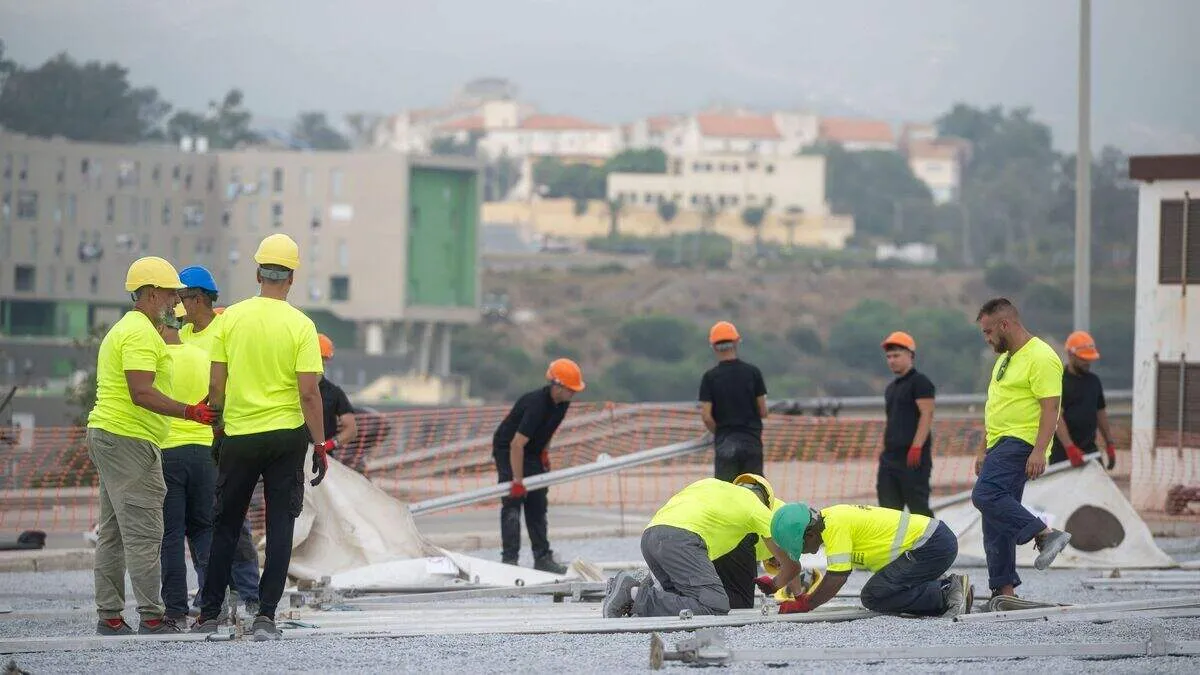
In a significant move concerning the accommodation of migrants in Ceuta, Spain's North African exclave, the leftist government in Madrid has seized control of the region’s port. Transport Minister Óscar Puente has signed an order that permits the establishment of a temporary tent camp for migrants within the port area, as reported by various Spanish media outlets, including state broadcaster RTVE. This decision comes in direct contradiction to the stance taken by local authorities, who had previously opposed such measures. The Ministry has yet to respond to inquiries regarding this controversial decision.
The regional government, led by President Juan Jesús Vivas, voiced strong opposition to the construction of the tent camp, citing the port’s critical role in supplying the exclave, which is close to a significant fuel storage facility. Additionally, local authorities had previously rejected proposals to temporarily house migrants in an abandoned factory, a former military hospital, or sports centers. Currently, another facility is being set up in the Los Rosales neighborhood to accommodate around 900 individuals, which has also sparked protests among local residents.
Spike in Migrant Arrivals Raises Tensions
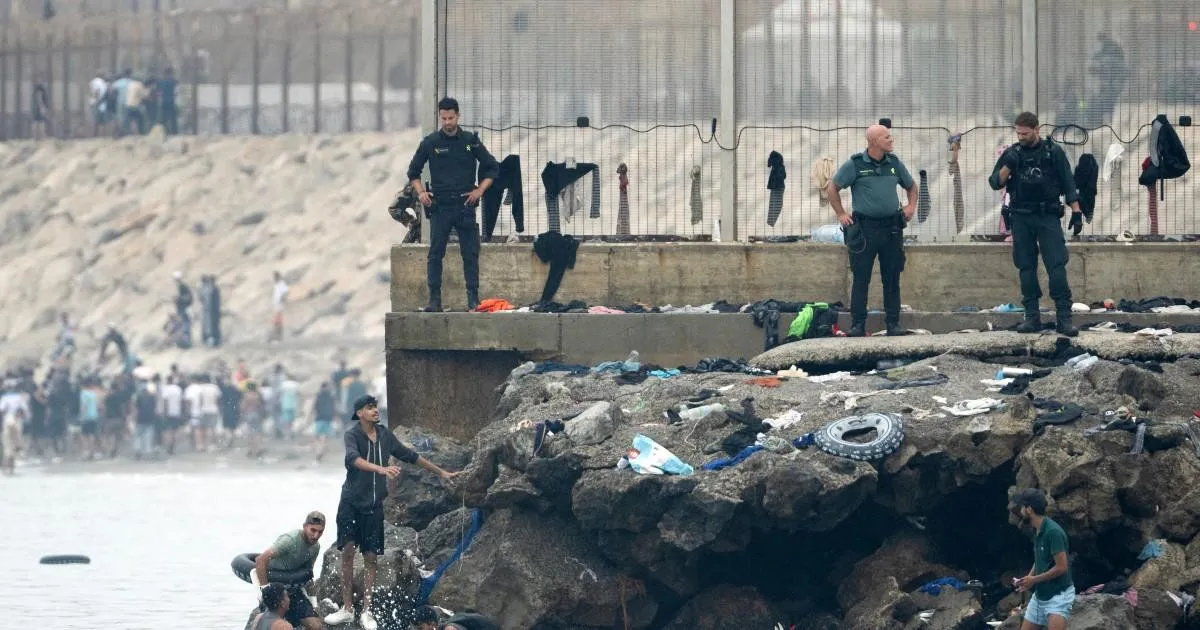
According to government figures, approximately 72,000 migrants attempted to enter Ceuta from Morocco on July 30 and 31, either by swimming or climbing over border fences, although most returned within hours. However, as of more than a month later, around 5,000 migrants remain in the area, which is smaller than Frankfurt Airport, with 1,200 of them being minors. The extended presence of thousands of migrants has raised significant concern among Ceuta's over 83,000 residents, leading to frequent demonstrations and, at times, violent incidents against migrants. Many locals, echoing the regional government’s sentiments, are calling for the immediate deportation of these migrants back to Morocco.
Spain is legally obligated to conduct prolonged individual assessments of each migrant's case, putting Prime Minister Pedro Sánchez’s government under intense pressure. There are also widespread doubts regarding the government’s narrative that Morocco had no involvement in the mass influx experienced in late July. While Sánchez defends his crisis management strategies, security agencies have categorized the coordinated mass influx as a severe risk, strategically keeping Morocco out of the spotlight for now.
Demonstrators have taken to the streets with chants like "Ceuta will not sell itself, Ceuta will not surrender," indicating the rising tensions in the region. As the situation continues to develop, the Spanish government’s decision to create tent camps for 1,500 migrants is seen by some as a "ray of hope" for local residents seeking solutions to the ongoing crisis.
As reported by wort.lu.