
Revelations on the Migration Surge in Ceuta
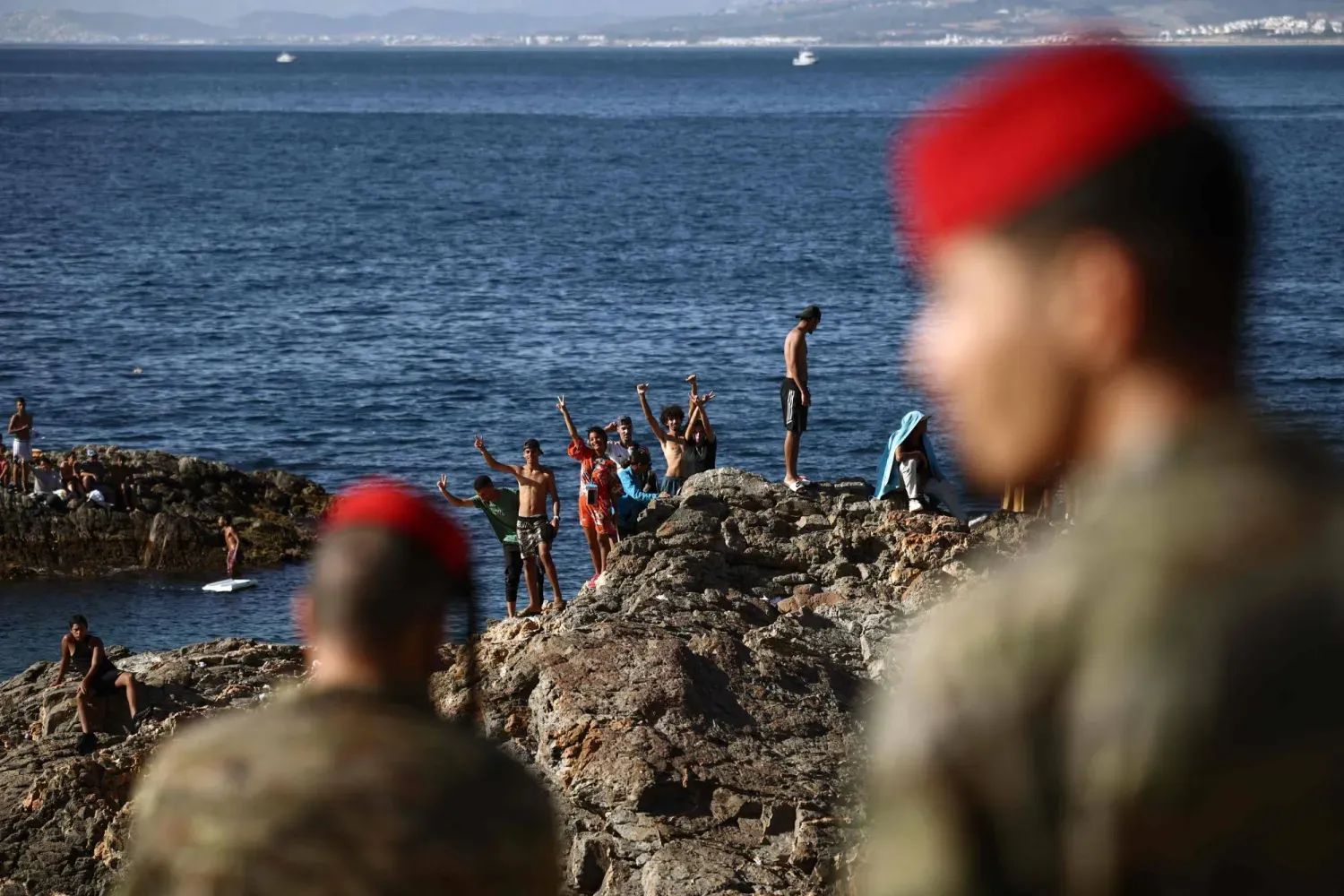
Recent disclosures from the National Intelligence Centre (CNI) have shed light on the alarming influx of migrants into Ceuta, a Spanish enclave in North Africa. On July 29, the CNI alerted both the local government and the Guardia Civil about social media calls urging individuals to cross the border the following day. The warnings came in response to two groups, which collectively boasted around 180,000 followers, signaling a significant mobilization. Additionally, the CNI reported plans for attempted crossings via swimming and over the border fence, further communicating these threats to Moroccan authorities.
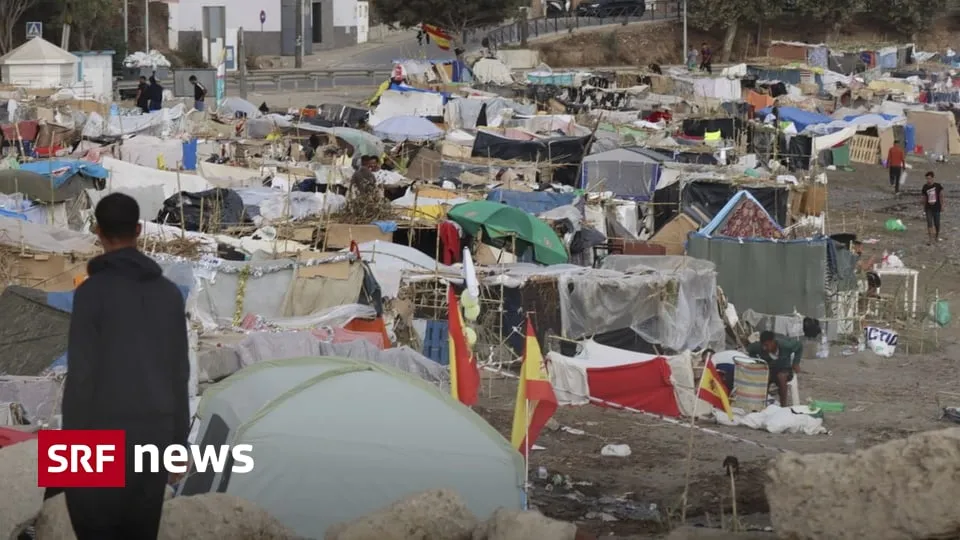
As a result of these developments, it was reported that between July 30 and 31, approximately 80,000 migrants arrived from Morocco to Ceuta, although most returned shortly thereafter. Nevertheless, thousands remain within the Spanish enclave, highlighting the ongoing migration challenges faced by the region. The Spanish government has since released around 40 documents from the period between July 1 and August 1, with Prime Minister Sánchez asserting that these documents demonstrate a lack of prior warnings regarding the massive arrival of migrants.
EU's Financial Support and Future Considerations
In a related development, the European Union announced on Wednesday that it would provide Spain with approximately 115 million euros to address the migration crisis in Ceuta. This funding aims to bolster border protection and monitoring, with a particular focus on the dignified accommodation of unaccompanied minors and the repatriation of individuals without legal residency. Spanish Foreign Minister José Manuel Albares described the EU's announcement as fantastic, while emphasizing that it should be viewed as only a preliminary step from Spain's perspective.
Albares underscored the need for equal attention from the EU towards its southern external borders, similar to the focus given to the eastern frontiers. He acknowledged that while the eastern borders face unique military threats, the challenges posed by migration pressures at the African border are equally formidable. Given the significant disparities in education and income between Africa and Europe, Albares warned that migration pressure would likely remain high in the foreseeable future. He called for a thorough assessment of additional support measures and informed the EU Commission that Spain intends to apply for the inclusion of Ceuta and Melilla into the EU Customs Union, a request that was not made during Spain's EU accession in 1986.
As reported by srf.ch.