
Strengthening Military Presence in Ceuta and Melilla
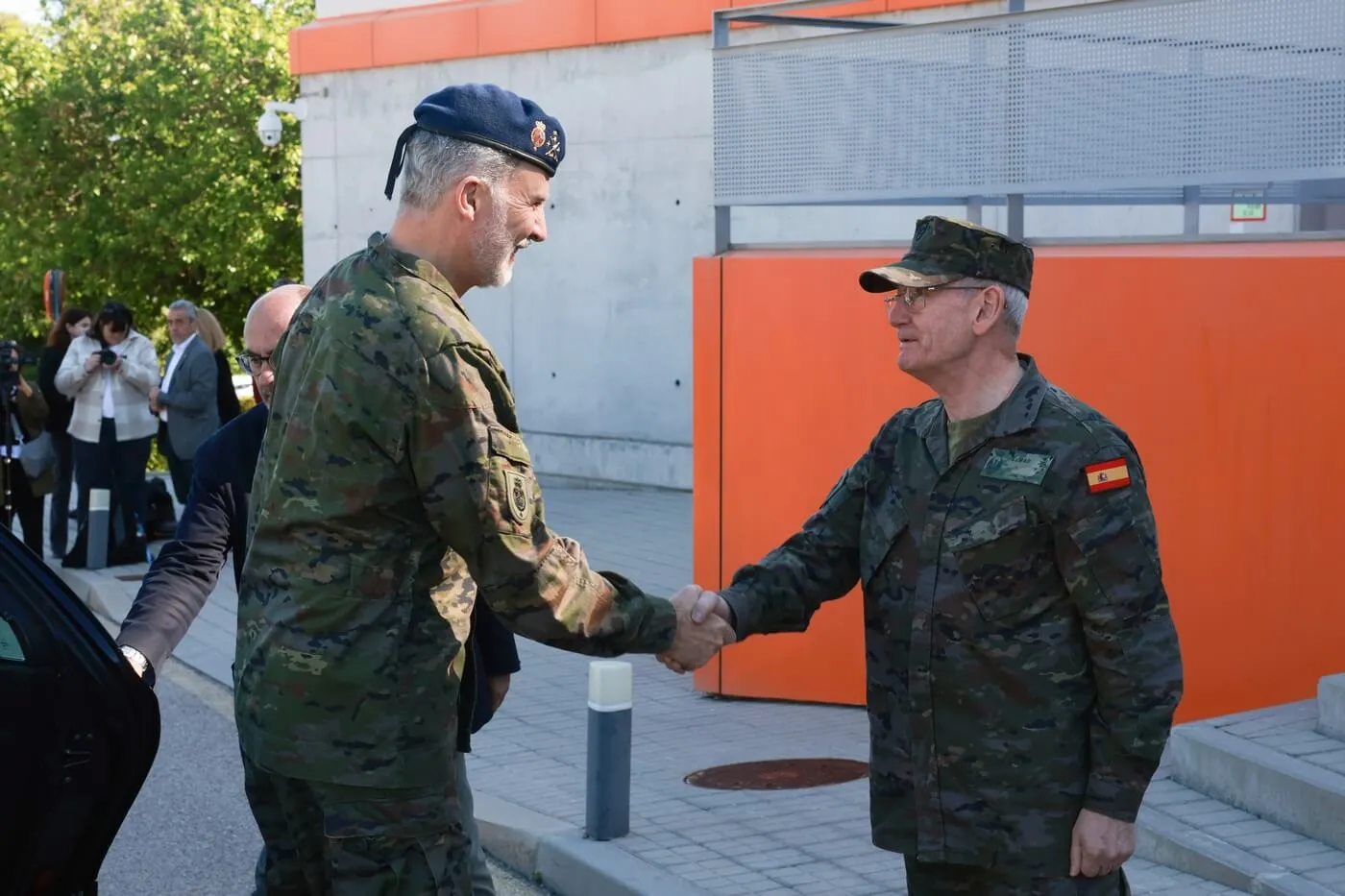
The Chief of Staff of the Spanish Armed Forces, Admiral Teodoro Esteban López Calderón, recently conducted a significant visit to the cities of Ceuta and Melilla. This visit aimed to bolster the Spanish military forces stationed in these territories and to gain an insight into their operational conditions, particularly in light of the escalating tensions following renewed Moroccan claims over the two cities. The visit underscores the importance of maintaining a robust military presence in these regions amidst ongoing political discussions.
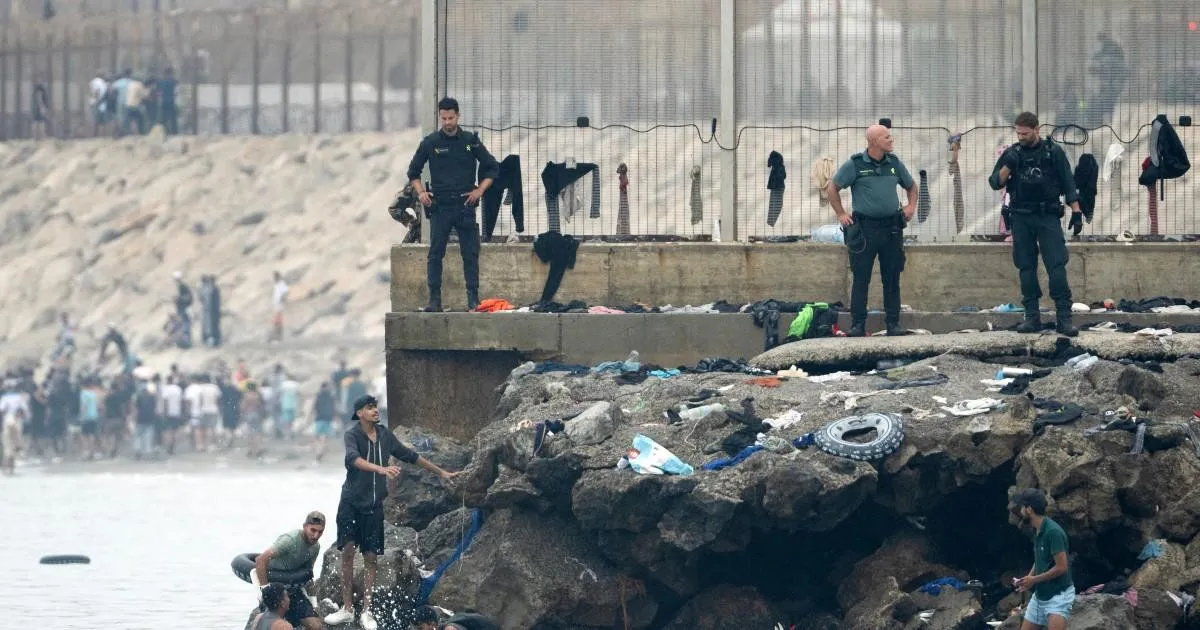
According to announcements from the Spanish Armed Forces General Staff, Admiral López Calderón visited Ceuta on Friday, where he engaged with various civil and military officials, including the city's government president, Juan Jesús Vivas. Prior to this, on Thursday, he visited Melilla, where he held meetings with military leaders and civil authorities, including the Spanish government representative. These visits are a direct response to the ramifications of the mass incursion that Ceuta experienced on July 30, which sparked intense security and political debates in Spain regarding the status of these enclaves.
Political Implications and Moroccan Claims
In Ceuta, the Spanish military has maintained a significant presence, with over 2,500 troops deployed in the city. Meanwhile, in Melilla, approximately 3,200 soldiers are stationed, primarily under the command of the general leadership linked to the Canary Islands. This military readiness coincides with a rise in Moroccan rhetoric concerning Ceuta and Melilla in recent weeks, with three Moroccan government ministers reiterating their stance on the continued significance of these enclaves in official discourse.
Justice Minister Abdellatif Wahbi previously stated in press remarks that the issue of the two cities would remain a topic of dialogue with Spain, emphasizing Morocco's historical and geographical rights over them and advocating for a definitive solution. Furthermore, Minister of Awqaf and Islamic Affairs Ahmed Toufiq, in the presence of King Mohammed VI, discussed the liberation of the enclaves, a statement that drew a firm response from the Spanish side, asserting that Ceuta and Melilla represent the southern borders of the European Union and are unequivocally Spanish territories.
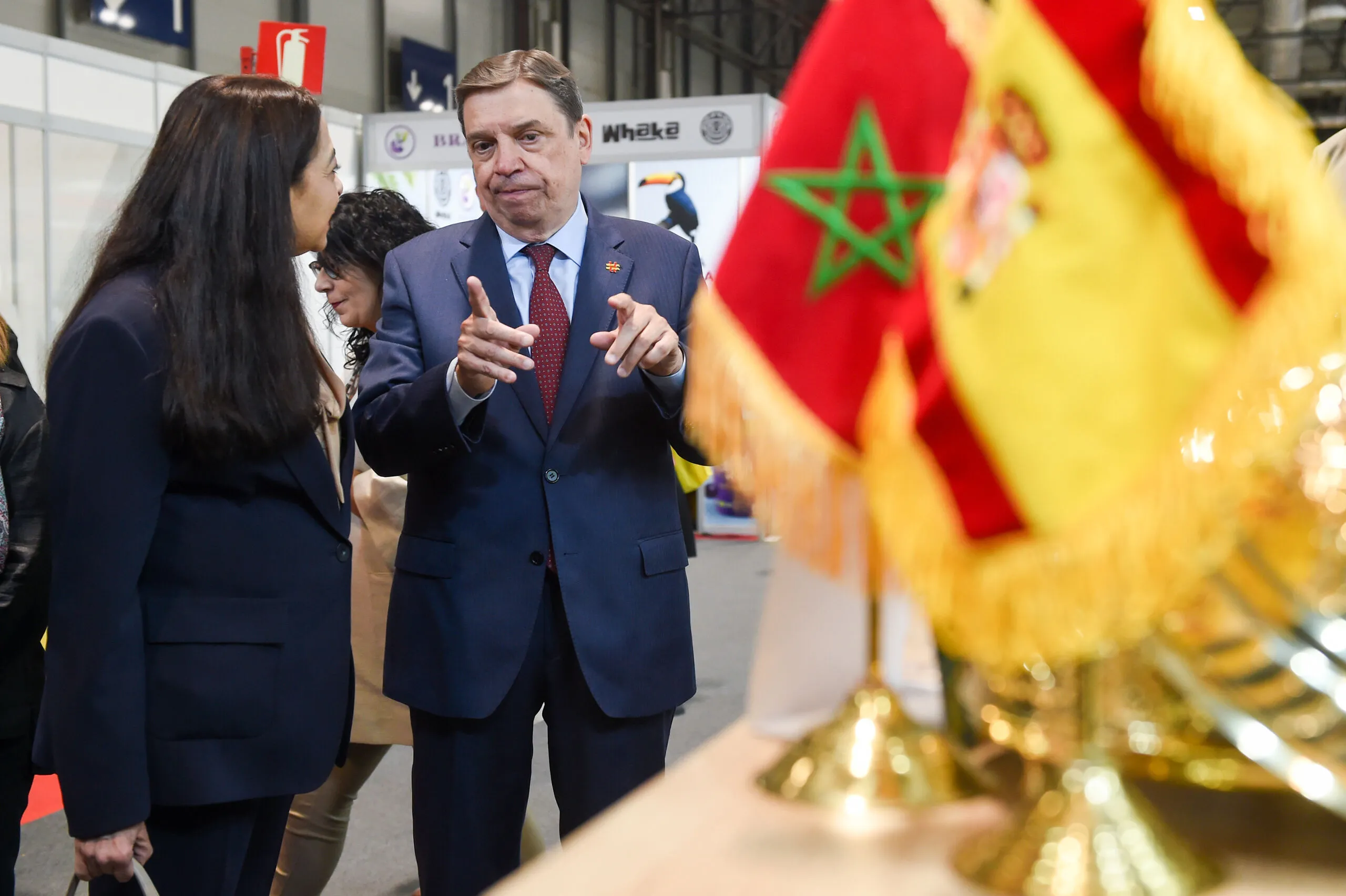
In this context, Moroccan Minister of Equipment and Water Nizar Baraka responded to Spanish Prime Minister Pedro Sánchez's assertion that Ceuta and Melilla will remain Spanish “forever” by stating that while Morocco views Spain as a key partner, it “will not yield an inch of its territory.” This ongoing dialogue reflects the complex relationship between Spain and Morocco, particularly regarding these strategically significant cities.
As reported by assahifa.com.