
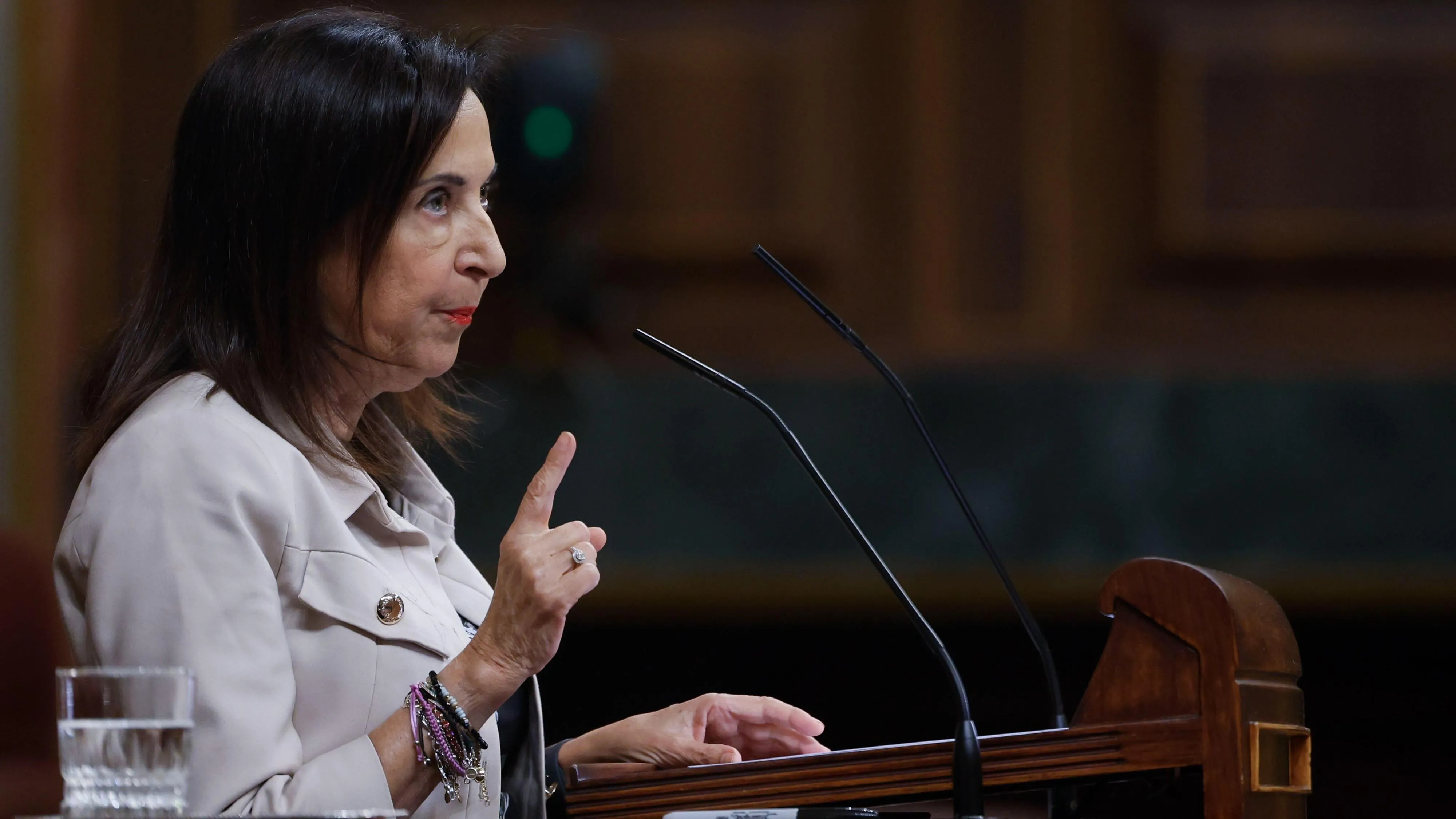

Defense Minister Calls for Urgency in Ceuta Response
In a recent statement, Spanish Defense Minister Margarita Robles admitted that the current situation in Ceuta necessitates a more expedited response. This sentiment echoes the words of Prime Minister Pedro Sánchez, who previously indicated that Morocco had failed to manage the influx of over 80,000 individuals attempting to breach the Ceuta border on July 30. High-ranking officials within the defense ministry have expressed that the events unfolding in Ceuta are "terrible" and should have been handled more swiftly, indicating a shift in the government's approach towards Morocco's handling of the border crisis.
Robles further emphasized the gravity of the situation, stating, "What has happened in Ceuta is indeed serious and should be addressed more rapidly." These comments come in the wake of Sánchez's remarks which highlighted the shortcomings in Morocco's border control mechanisms, suggesting that a reassessment of diplomatic relations may be necessary. José Manuel Albares, the Minister of Foreign Affairs, also clarified that the government is not aiming to adopt a hard or soft stance toward Morocco, but rather to ensure effective actions that protect the interests of Spain and its citizens.
Political Reactions and Future Diplomatic Engagements
As discussions continue, Albares is set to meet with his Moroccan counterpart, Naser Burita, with the agenda still being arranged. The Minister has maintained communication with Burita since the border crisis erupted, showcasing an ongoing commitment to dialogue despite the tensions. Meanwhile, members of the Spanish Socialist Workers' Party (PSOE) have pointed out the apparent failures in Morocco's border control, with spokesperson Patxi López emphasizing that it is clear something went wrong when such a large number of people were able to cross into Ceuta.
While some coalition partners have noted a shift in Sánchez's rhetoric, others remain skeptical. Alberto Ibáñez from the Sumar party criticized the Prime Minister for not addressing Morocco's role directly during previous discussions in Congress. Furthermore, Ione Belarra, the Secretary-General of Podemos, welcomed the acknowledgment of reality in Sánchez's statements, suggesting that it is vital for the government to maintain transparency regarding international issues. Gabriel Rufián, a spokesperson for ERC, asserted that Sánchez is now beginning to speak the truth about Morocco's actions, claiming that they effectively "attacked" Spain by allowing the mass exodus across the border.
This evolving narrative reflects not only the urgency of the situation in Ceuta but also the intricate dynamics of Spanish-Moroccan relations as they navigate the pressures of immigration and national security. The government's next steps will undoubtedly be scrutinized as they strive to balance diplomatic courtesy with the pressing need for effective border management.
As reported by rtve.es.
