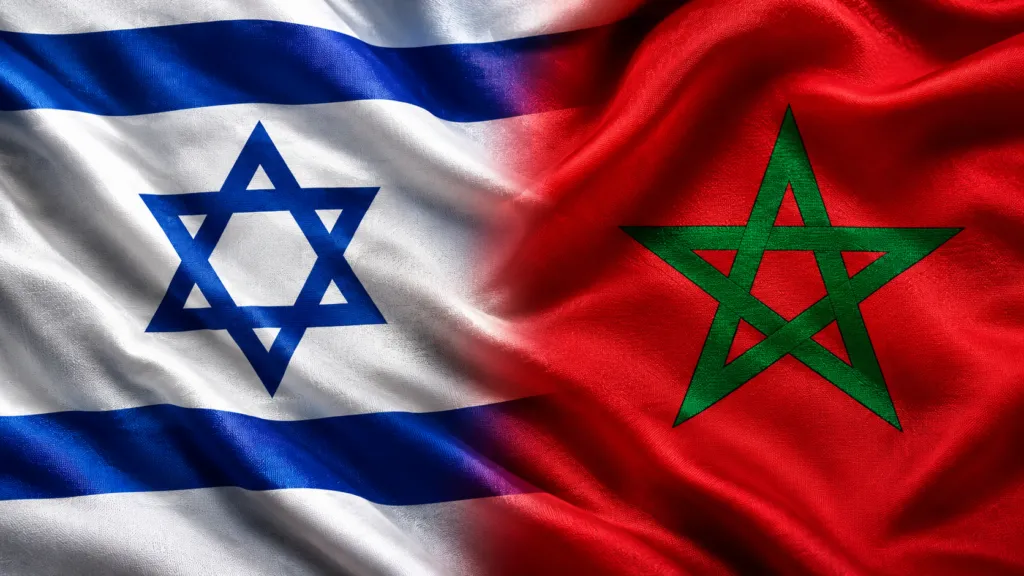

Since 2020, the deepening of defense relations between Morocco and Israel has significantly enhanced Morocco's military capabilities, potentially altering the military balance with Spain. According to Escudo Digital, a Spanish platform focused on defense and security issues, the military and defense cooperation between Morocco and Israel has rapidly developed, transforming from diplomatic normalization to a comprehensive military and technological partnership within just a few years. Currently, approximately 24% of Morocco's military imports come from Israel, compared to 60% from the United States and 10% from France.
This advancement follows the signing of the Abraham Accords in December 2020, which restored diplomatic relations between Morocco and Israel, leading to an enhanced military partnership solidified by a defense memorandum of understanding (MoU) in November 2021 during then-Israeli Defense Minister Benny Gantz’s visit to Rabat. The MoU established a framework for cooperation in intelligence, information exchange, military training, and mutual logistical support, paving the way for arms deals and military technology transfers from Israel to Morocco. This collaboration has quickly evolved into a wide-ranging strategic relationship.
Air Defense and Artillery Enhancements
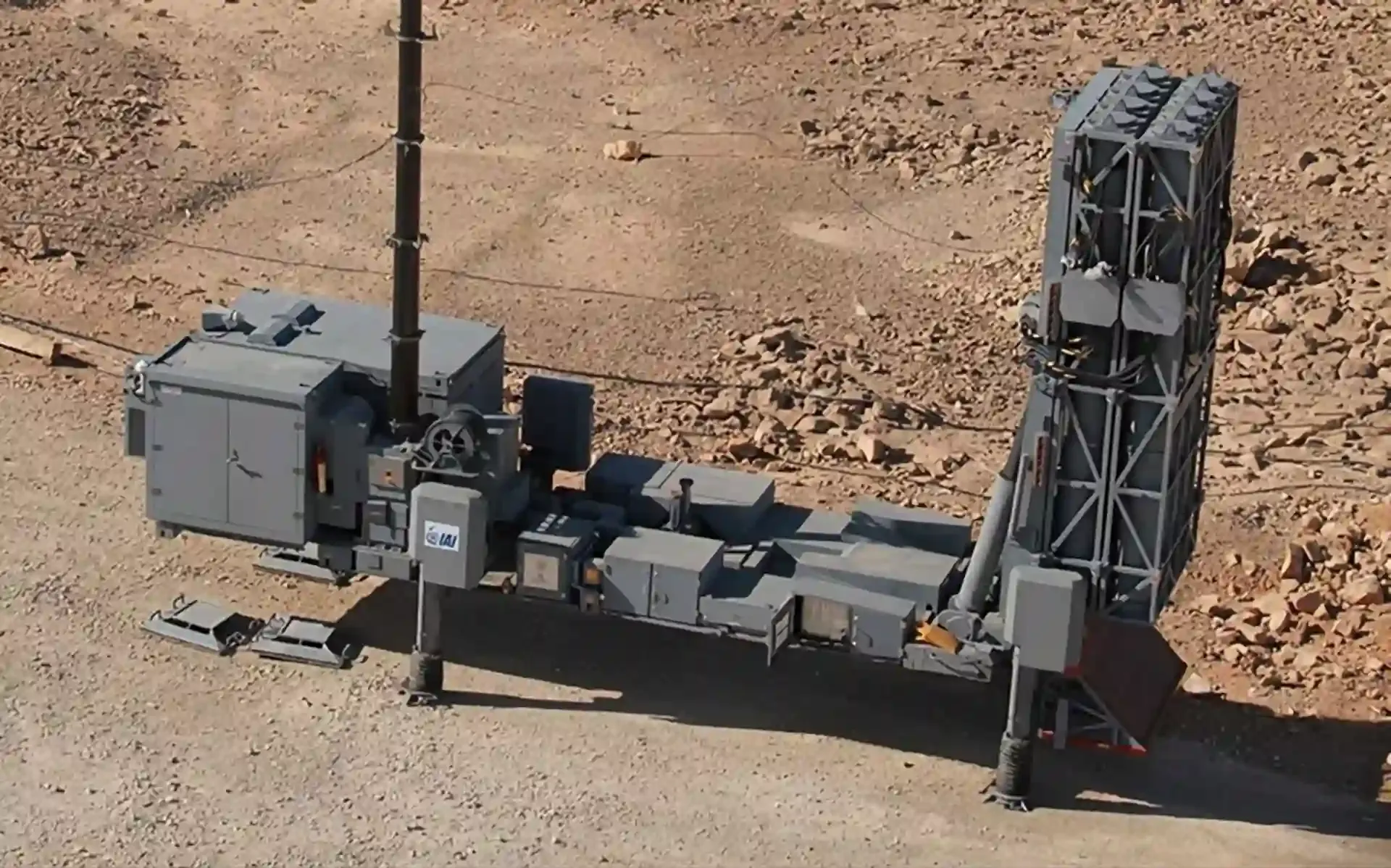
Escudo Digital reports that the Royal Moroccan Army has been one of the primary beneficiaries of the arms purchases made in recent years, particularly highlighting the multi-layered air defense system, the Barak MX. Acquired from Israel Aerospace Industries (IAI) in 2022, this system is valued at approximately $500 million. The Barak MX system boasts a range between 35 and 150 kilometers and is installed at the new military base in Sidi Yahya El Gharb, located around 200 kilometers from Ceuta. The system is capable of intercepting various aerial threats, including aircraft, drones, cruise missiles, and tactical ballistic missiles, utilizing MRAD, LRAD, and ER missiles alongside the ELM-2084 MMR radar.
In contrast, Spain relies on a combination of the Norwegian NASAMS medium-range defense system and the American MIM-104 Patriot system for its multi-layered air defense capabilities. In the artillery domain, Morocco acquired 36 ATMOS 2000 self-propelled howitzers, manufactured by Elbit Systems, in 2025. These howitzers can engage targets at distances exceeding 40 kilometers, while Spain operates SIAC 155/52 artillery manufactured by Santa Bárbara Sistemas, which offers a similar range but requires truck towing for long-distance movements.
Concerning rocket systems, it is believed that Morocco secured between 8 to 12 units of the Israeli-made PULS system in a deal estimated at around $150 million, with deliveries ongoing into 2026. Interestingly, Elbit Systems was also linked to Spain's SILAM program for developing high-mobility rocket systems based on PULS before being excluded by the Spanish Ministry of Defense due to the country's stance on Israeli arms deals.
Drones and Cybersecurity Developments
In the realm of unmanned aerial vehicles (UAVs), Morocco has acquired several Israeli systems, including the tactical WanderB and ThunderB drones from BlueBird Aero Systems, alongside the Hermes 450 from Elbit Systems. These drones are deployed across various sites monitoring the Atlantic coast and desert regions, including Ben Guerir and Dakhla, as well as the Al-Mahbes airport near the Algerian border. Designed for intelligence, surveillance, and reconnaissance missions, these MALE drones can also execute precision strikes when armed, featuring long endurance capabilities.
Moreover, Morocco is expected to receive four MQ-9B SeaGuardian drones from General Atomics, while Spain operates four older MQ-9A Predator B drones and participates in the Eurodrone program with Germany, France, and Italy. In a tactical capacity, Spain has secured 27 Sirtap drones from Airbus, with deliveries starting in 2027, and has also adopted the Tarsis 75 as part of its defense procurement efforts.
On the cybersecurity front, Morocco has developed advanced capabilities with Israeli assistance, acquiring technologies and software such as Pegasus from NSO Group and NightHawk from Interionet Systems. Notably, it has signed a deal to purchase two Ofek 13 reconnaissance satellites from Israeli Aerospace Industries for nearly $1 billion, with expected delivery by the end of the contract. While some narratives portray Morocco as merely a subordinate to Israel, this perspective fails to capture the robust capabilities developed by Moroccan intelligence institutions. The report concludes that Morocco has solidified its position as an independent actor, leveraging military and technological partnerships with Israel and the United States to achieve its regional and diplomatic objectives.
Furthermore, the cooperation between Morocco and Israel extends beyond arms deals and defense industries to institutional levels. Escudo Digital highlights that a Joint Military Committee (JMC) between the two countries has been holding annual meetings since 2020, providing a continuous channel for military coordination. The committee represents the highest official framework for military dialogue between the nations, responsible for defining work plans and strategic areas of cooperation between the Israeli military and the Royal Moroccan Armed Forces. In their latest meeting in Tel Aviv in early January 2026, both sides agreed to focus their defense cooperation on four main areas: technological and industrial innovation, operational readiness, intelligence and cybersecurity, and long-term force development.
This shift represents a significant transformation from a cooperation model based on isolated arms deals to a more sustainable framework that institutionalizes long-term defense collaboration. Escudo Digital characterizes the trajectory of Moroccan-Israeli relations as a rapid transition from diplomatic normalization to a comprehensive defense partnership encompassing arms, air defense, drones, intelligence, cybersecurity, satellites, and institutional military coordination.
As reported by defense-arabic.com.