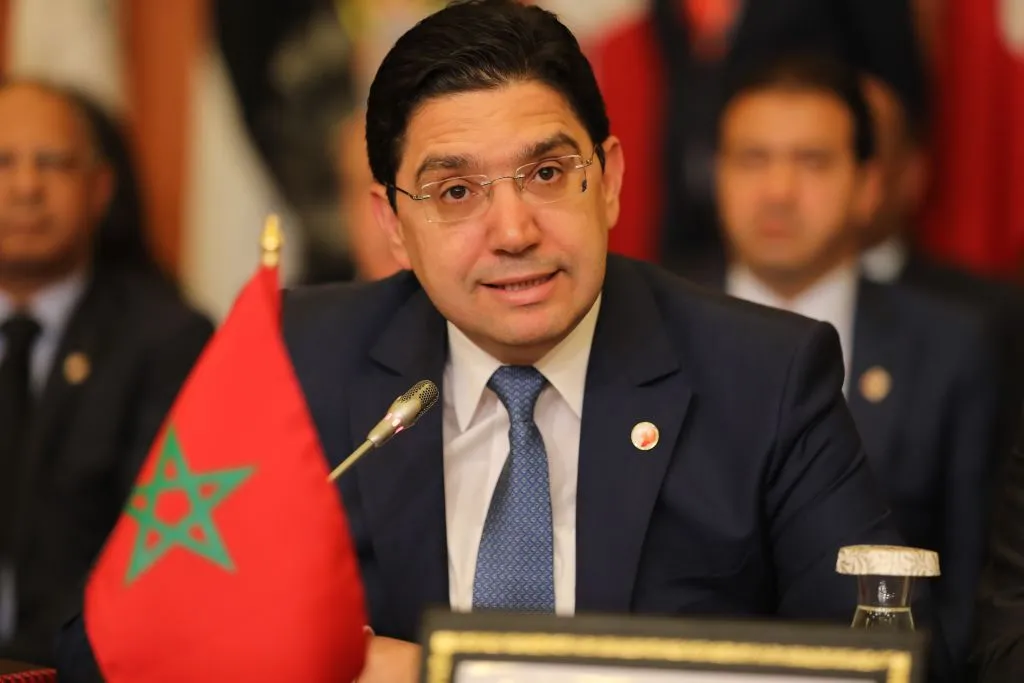

MADRID – The Moroccan Foreign Minister, Nasser Bourita, has accused Spain of failing to repatriate the thousands of migrants who remain stranded in Ceuta following the massive influx that occurred last July. This assertion reignites tensions surrounding the enclave, just a month and a half after 80,000 individuals entered the territory in a surge that resulted in over 100 fatalities, plunging Spain into one of its most severe migration crises to date.
After their first face-to-face meeting during the UN General Assembly in New York, Spanish Foreign Minister José Manuel Albares stated that Morocco has reiterated its full cooperation to ensure the migrants' return as promptly as possible. He emphasized Spain's commitment to maintaining a positive relationship with Morocco. However, Bourita remarked to reporters after the Thursday meeting, "If illegal immigrants have not been repatriated, and if minors have not been repatriated, the question should not be directed at Morocco, but at Spain." This statement underscores the ongoing discord between the two nations regarding the management of migration.
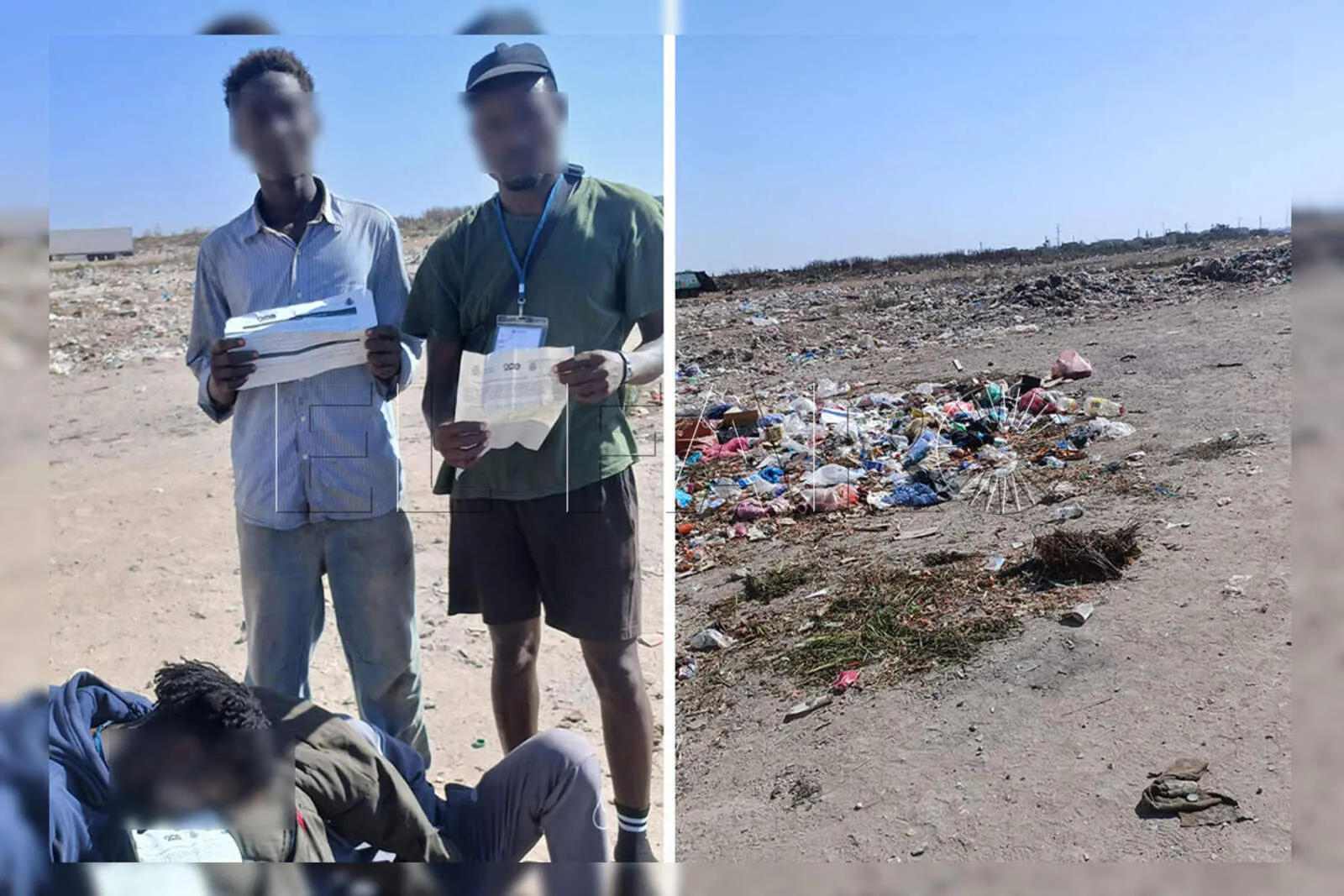
Despite a significant number of migrants returning to Morocco immediately after the initial surge, officials in Ceuta claim that approximately 13,000 individuals still remain. Spanish President Pedro Sánchez has provided a lower estimate of 5,000, while some ministers suggest the figure is around 10,000. Spain initially informed EU authorities that all migrants arriving in Ceuta—predominantly Moroccan citizens who typically do not meet the asylum application criteria—would be sent back. Currently, assessments of the migrants continue at a rate of over 100 per day, and thousands are returning voluntarily. According to the Minister of Territorial Policy, Ángel Víctor Torres, more than 7,500 migrants have returned to Morocco since early August.
However, Spanish national legislation permits the over 2,300 registered minors who remain in Ceuta to stay in Spain, while migrants who may qualify for international protection—mainly from sub-Saharan Africa—might also be allowed to remain. Moroccan ministers have blamed Spanish bureaucracy for hindering the return of undocumented migrants, particularly minors. In contrast, Spanish judges, prosecutors, and police unions have long accused Rabat of actively refusing to provide the necessary cooperation to carry out identifications and expedite administrative and judicial processes.
In its recent annual report, the Spanish State Attorney General highlighted Morocco's "extremely restrictive stance" towards facilitating deportations. The situation is further complicated for minors by additional legal guarantees. During the 2021 Ceuta crisis, when around 10,000 migrants entered irregularly, most unaccompanied minors remained in Spain and were subsequently relocated to the mainland. So far, 54 minors have been transferred to the Spanish mainland to reunite with their families, as reported this week by Minister of Childhood, Sira Rego, who added that it is unlikely that most will be returned. "Most of them want to stay in Spain, and they will stay, of course. There is a law that protects them," she stated.
As reported by euractiv.com.