
The aftermath of the 2025 Africa Cup of Nations final continues to reverberate, ushering in a new chapter of tension between Senegal and Morocco. The crux of the issue lies in the decision made by the Confederation of African Football (CAF) to award the championship to Morocco "on paper," a conclusion that has met with vehement opposition from certain sectors within Senegalese sports. In Dakar, voices of criticism are growing louder, alleging a lack of fairness in the handling of the situation, as the dispute escalates into an institutional crisis.
Since CAF announced its decision, African football has been engulfed in unprecedented turmoil. Senegal has opted to formally appeal to the Court of Arbitration for Sport (CAS), arguing that the withdrawal of its national team from the final was precipitated by significant circumstances that they believe cannot be overlooked.
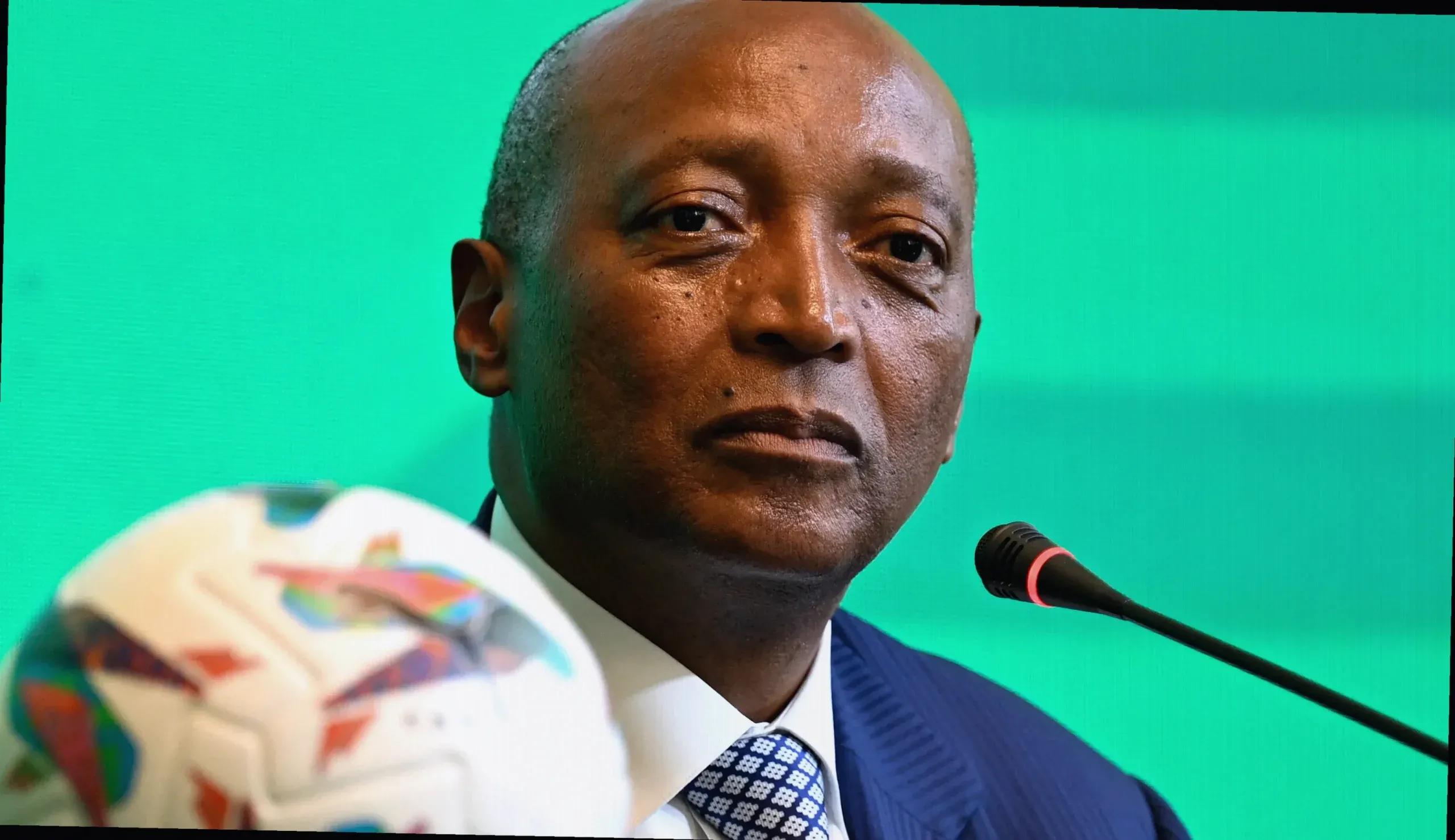
Despite CAF's attempts to de-escalate tensions through conciliatory statements and communications, public and political sentiment in Dakar remains charged. In light of the escalating situation, CAF President Patrice Motsepe has decided to intervene directly in an effort to quell the tension and facilitate dialogue with the Senegalese side.
In this context, reports indicate that Patrice Motsepe is set to arrive in Senegal’s capital, Dakar, within the next few hours on an official visit with a clear goal: to stabilize the situation, open channels of conversation, and restore trust between the two parties before any further legal actions are taken.
According to the delegation's plan, the CAF president is scheduled to meet with Abdoulaye Fall, the president of the Senegalese Football Federation. Additionally, a private conversation with Senegal's president, Bassey Diomaye Faye, is also anticipated. The aim of these discussions is to construct a framework of understanding and prepare the ground for any subsequent decisions.
Abdoulaye Fall, in remarks directed at Motsepe's visit, affirmed that his country would welcome him "with open arms." He underscored that Senegal remains "the land of Teranga," a cultural expression associated with hospitality and generosity, signaling a readiness for dialogue in this context.
Moreover, Fall emphasized that Motsepe's visit is rooted in a spirit of fraternity: "we are all Africans," and thus, the CAF president also represents "his country" on the continent. Beyond the sporting conflict, the leader sought to convey a political and humanitarian message to realign the situation.
Motsepe's arrival in Dakar is viewed as a pivotal moment in a crisis that has cast doubt on the credibility and management of controversies within African football. Through his presence, the CAF president aims to restore calm, reaffirm that the continental body possesses the tools to manage disputes, and, above all, stress the need for the process to unfold with unity and responsibility.
Meanwhile, Senegal's appeal to the CAS keeps the dispute alive and maintains focus on upcoming developments. At the heart of the matter, the tension between Senegal and Morocco extends beyond a mere result: it also brings to light discussions surrounding procedures, decision-making, and the treatment of events surrounding the final.
As reported by redamazonica.org.