
Morocco and Spain Compete for the 2030 World Cup Final Venue
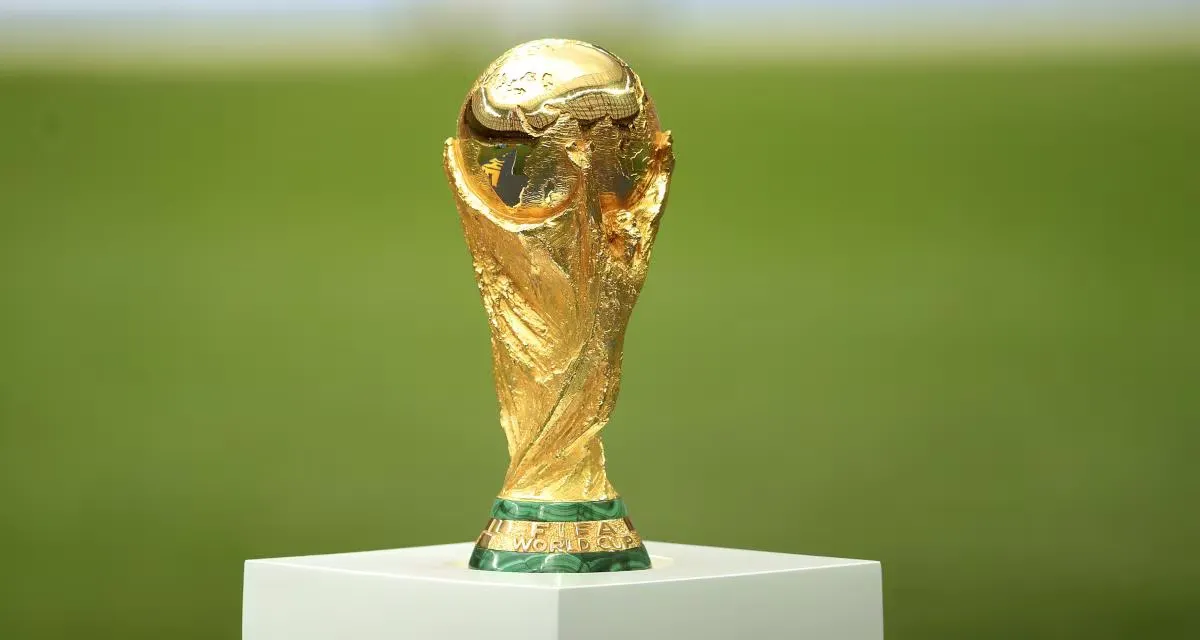
The discussion surrounding the hosting of the 2030 World Cup final has transcended the borders of Morocco and Spain. Both nations, alongside Portugal, are set to co-host the tournament, yet a significant contest is taking place behind the scenes regarding the location of the final match. Morocco is advocating for its future Grand Stade Hassan II, located near Casablanca, while Spain is promoting its iconic Santiago Bernabéu Stadium in Madrid. As of now, FIFA has made it clear that no official decision has been reached regarding the final's location.
The proposed Grand Stade Hassan II aims to boast a staggering capacity of around 115,000 seats, aspiring to become the largest football stadium in the world. This ambitious project serves as one of Morocco's strongest arguments for hosting the most prestigious match of the tournament, elevating the nation's profile on the international stage.
This potential for Morocco to host the final has already ignited excitement among some football enthusiasts in Senegal, who view this as a powerful symbol for the entire continent. Guene Ndiaye, a fervent football fan, emphasizes that having Morocco as the host for the final would be a monumental victory for Africa. He expresses pride in the continent's participation and co-hosting role, stating, "As an African, I am genuinely excited about this participation and co-organization. It is a real source of pride for the African continent. I wholeheartedly support Morocco in its bid to host this final, as it would honor our continent, especially in the realm of football. I truly hope Morocco secures this opportunity. Just as South Africa did previously, I believe Morocco has the capability to organize a World Cup final successfully."
Furthermore, Saliou Dione perceives this candidacy as more than just a sporting endeavor; he sees it as a historic opportunity for a continent that has hosted only one World Cup to date. Dione, a Senegalese citizen and pan-African advocate, states, "As a Senegalese and African, we wish for this final to be played in Africa. I believe this is a desire that every African should support. It must be a collective effort to advocate for a World Cup final to be played on our continent. Europe has already hosted numerous major competitions, while Africa has only organized one World Cup. If a new opportunity arises, it is crucial that a final can finally take place in Africa. Morocco possesses robust infrastructures that could be further enhanced by this event."
This aspiration resonates deeply within the historical context of African football. Since the 2010 World Cup held in South Africa—the first and, to date, the only World Cup hosted on the continent—there has been no other final played in Africa. Thus, a potential final in Morocco would not only mark a first for the northern region of the continent but would also represent only the second time a World Cup final is held on African soil.
Samba Thiam shares a similar view, believing that Morocco has the necessary experience to undertake such a challenge. He states, "As an African and a Senegalese, it would be an immense pleasure to see Morocco host this World Cup, including the final. A World Cup final held on African soil would be a significant source of pride for all Africans, particularly for African football. I think every African should support this ambition, as Morocco is no longer a novice in organizing international competitions. It has already demonstrated its expertise and advancements in sports infrastructure. Seeing Morocco host the World Cup and the final would be fantastic news for the entire continent," explains Thiam, a supporter of both Senegal and Morocco.
Spain's Compelling Offer
On the other side of the debate, Spain is presenting its own compelling arguments. The renovated Santiago Bernabéu Stadium in Madrid and the renowned Camp Nou in Barcelona are both venues that meet international standards. Spanish officials advocate for their country’s extensive experience in orchestrating major sporting events. However, it remains clear that the final decision lies solely with FIFA.
As reported by sport.le360.ma.