
Seven Years of Waiting: The Unresolved Concession of Casablanca's Shipyard
The National Ports Agency has recently annulled the concession for the Casablanca shipyard after more than a year evaluating three international bids. Adnan Debbarh reflects on seven years of indecision surrounding this project. The critical question isn't merely about choosing between direct management, negotiation, or partitioning the contract, but rather who will ultimately oversee this essential function: who is the architect behind this endeavor?
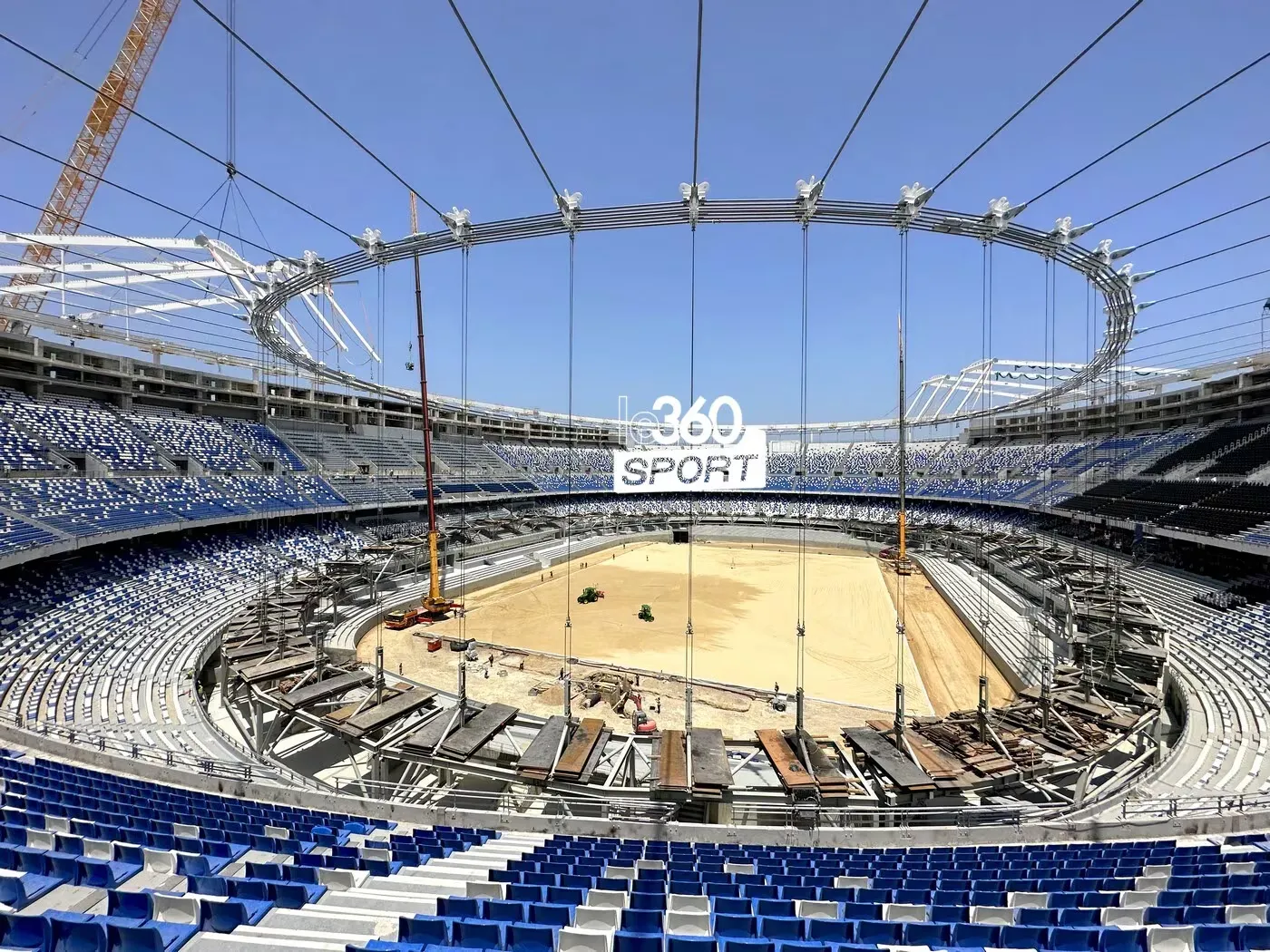
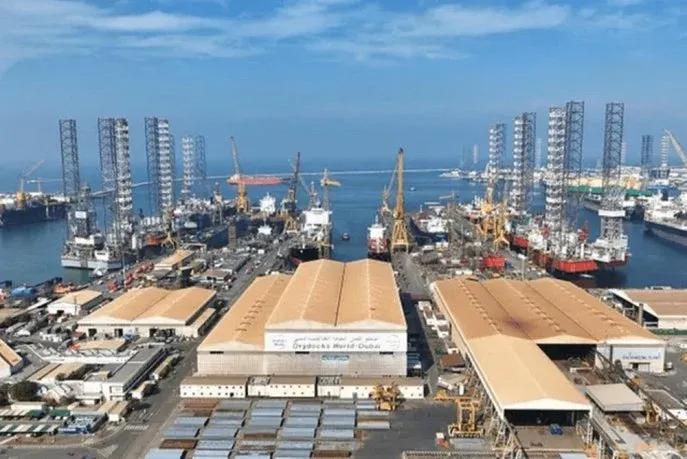
It has taken seven years to reach this point, where the concession for the Casablanca shipyard remains unawarded. The timeline includes an unsuccessful tender in 2019, a candidate withdrawal in 2023, and a potential re-launch in 2025. After a thorough evaluation of three comprehensive international offers, the decision was simply to cancel the process altogether. The project, which involves an infrastructure valued at 2.6 billion dirhams and has been touted as the largest of its kind in Africa, continues to await a legitimate operator.
While it might be tempting to dismiss this as yet another administrative failure, such a perspective would miss the underlying issues at play. The primary problem was not merely about selecting the best offer but the lack of a coherent framework for making that selection.
The Absence of a Clear Framework for Selection
Three consortia submitted compelling proposals, pairing international maritime players with local Moroccan partners: the Korean group HD Hyundai Heavy Industries teamed with Turkey's Kuzey Star and Morocco's Somagec; the Chinese Ningbo Xinle Shipbuilding partnered with Spain's Marina Meridional and Radi Holding; and Italy's San Giorgio del Porto also entered the fray. Reports suggest that one consortium proposed the highest financial fee, yet this alone was insufficient to determine the winner. This scenario illustrates that a financial figure does not encapsulate the entirety of an industrial project, and without clear, shared criteria for evaluation, it became impossible to distinguish between proposals based on immediate profitability, technological transfer, national sovereignty, and local economic benefits.
How can one adjudicate a 30-year concession between South Korean or Chinese giants and the aspirations of a national operator? The National Ports Agency has not publicly elaborated on the reasons for the cancellation, but media sources link it to new strategic directions from its board and considerations of sovereignty. If this interpretation holds, it highlights a clash of doctrines: on one side, the pursuit of a traditional international operating concessionaire; on the other, the political will of the Kingdom to establish a strong national merchant fleet, with the shipyard as an indispensable arm. The issue is not a lack of doctrines; it is the absence of a guiding principle to determine which should prevail in conflicting scenarios.
This symptom of indecision is prevalent in various Moroccan industrial projects: while there is a genuine capacity to bring forth top-tier candidates, the ability to make decisive choices based on a clear doctrine is significantly lacking. Once again, we find ourselves facing an architectural question rather than one of mere will.
As reported by quid.ma.