
Massive Investments in Transportation Infrastructure
As the countdown to the 2030 World Cup continues, Morocco is undertaking a monumental investment initiative aimed at modernizing its transport infrastructure well beyond the realm of sports. This ambitious endeavor encompasses a comprehensive overhaul of the country's transportation networks, utilizing billions of dirhams to significantly enhance its rail, air, and road systems. A recent report by Finances News Hebdo highlights this transformative journey as the nation strives to redefine its mobility landscape.
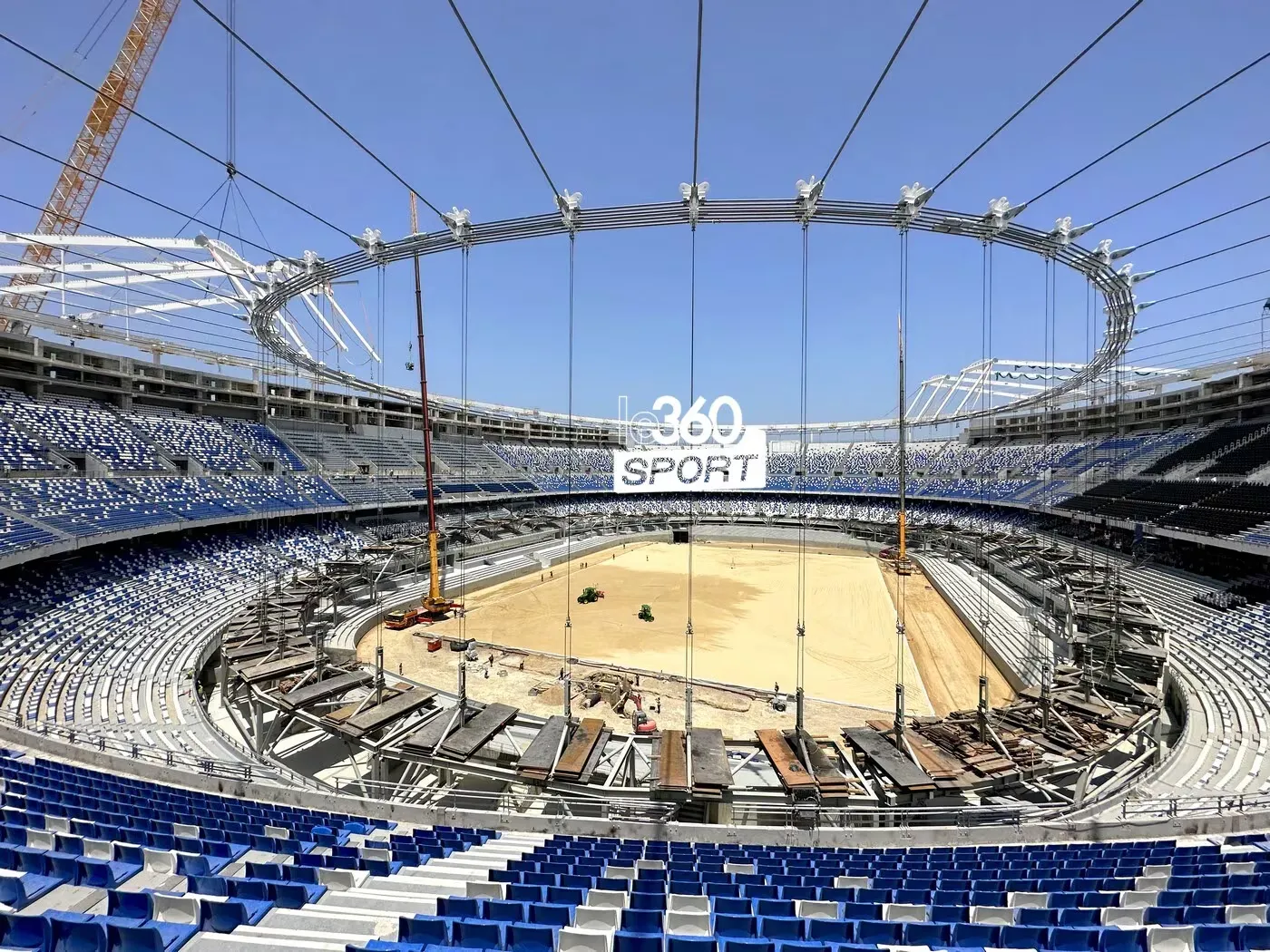
The largest share of investment, amounting to a staggering 96 billion dirhams by 2030, is directed towards the railway sector. This substantial funding will facilitate the expansion of the high-speed rail line to Marrakech, covering approximately 430 kilometers, alongside the procurement of new train sets and the fortification of regional infrastructure. Already, significant civil engineering projects like bridges and covered trenches are under construction, illustrating the tangible progress being made. Moreover, the railway project includes the development of a regional express network around Casablanca, designed to efficiently connect urban centers, the airport, and the future Benslimane stadium.
Enhancing Air Travel and Road Connectivity
In tandem with railway improvements, the air transport sector is grappling with an urgent need for modernization driven by a consistent rise in passenger traffic. To accommodate this growing demand, a substantial investment protocol of 38 billion dirhams has been established for the period from 2025 to 2030. This initiative specifically targets the upgrade of major airports in Casablanca, Marrakech, Agadir, Tangier, and Fez. The strategic goal is to elevate the overall capacity of Morocco’s airport network to 80 million passengers, while reinforcing Mohammed V Airport’s position as a leading international hub.
The success of this infrastructural metamorphosis hinges significantly on interoperability and the seamlessness of transfers, particularly in the Casablanca region, where rail and air transport systems are set to integrate. By directly connecting airports with high-speed and regional train networks, Morocco aims to provide an efficient and swift alternative to traditional long-distance road travel, which is essential for enhancing the experience of both tourists and local residents.
To round off this extensive territorial network, a dedicated program focusing on road and highway links has been allocated 12.5 billion dirhams. This initiative will address critical routes and strategic bypasses, extending through to 2032. These projects aim to alleviate congestion on the most saturated sections of the Atlantic coastline while ensuring secure access to major sports facilities. However, this undertaking also presents the complex challenge of synchronizing timelines across various projects, each with staggered completion dates.
Given the multitude of stakeholders involved and the scale of ongoing projects, effective inter-institutional coordination emerges as the cornerstone of this transition. Balancing the imperatives of the Morocco 2030 Foundation with the need to synchronize the delivery of stadiums, stations, and runways, the ultimate challenge for the kingdom is to convert these historic investments into a sustainable development lever that will serve the daily mobility needs of the future.
As reported by fr.le360.ma.