
Why Wahbi Should Lead Morocco's Government
In the context of Morocco's political landscape, if reason and logic were to prevail, it would be imperative for Wahbi to assume the role of the next Prime Minister. However, the unfortunate reality is that the political system in Morocco often defies such rational expectations. Elections have never truly served as a reliable mechanism for placing the most suitable individuals in positions of power. For over half a century, elections have been held in Morocco, yet the very individuals whom the populace criticizes are the ones who continue to emerge victorious. The persistent issues surrounding the accountability of elected officials and the stagnation of progress in the nation raise serious questions about the effectiveness of democracy as a tool for advancement and modernization.
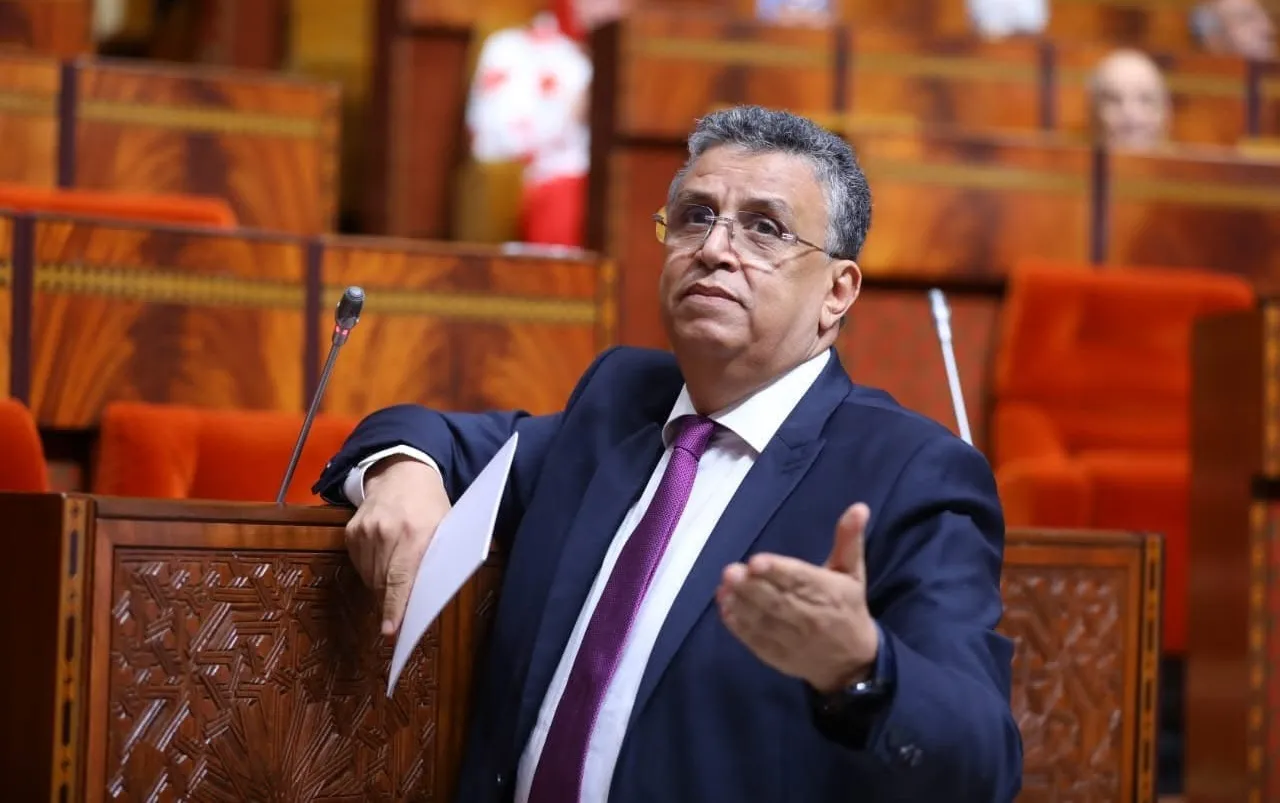
As North Africans, we have experienced and struggled for democracy, and our historical relationship with it has been complex. We fought for freedom and individual rights, yet our societal structures often remain rooted in tribal affiliations that are based on factors other than competence. This reality is compounded by the presence of illiterate individuals in positions of authority who adhere to outdated values and beliefs reminiscent of medieval times. In stark contrast, Wahbi has demonstrated a commitment to logic and understanding within the realms of law and social science, particularly in his recent media appearances. While the government and political parties await bureaucratic approvals for statements regarding incidents in Ceuta, Wahbi has taken the initiative to engage with global media, showcasing his ability to navigate the complexities of law and governance effectively.
Wahbi stands out as a beacon of hope in a political environment that often seems stagnant. He is dedicated to improving the lives of Moroccans through progressive legislation, despite lacking support from his own party or governmental colleagues. His solitary efforts to challenge the status quo highlight his belief in modernity and reform, as he actively seeks to enhance the future for all Moroccans, particularly the younger generations. His articulate and logical media engagements resonate with many, positioning him as one of the most impactful ministers of justice in Morocco's history.
Despite the obstacles posed by governmental structures and societal factions, including the influence of religious extremists, Wahbi's steadfast commitment to change is reminiscent of historical figures like Cicero, both being lawyers and politicians who left indelible marks on their respective societies. While Cicero faced a tragic end, the future for Wahbi as a potential Prime Minister could be drastically different if he continues to champion logic and reason in governance. The prospect of him leading Morocco towards a more rational and effective political future is one that many hope will materialize.
As reported by goud.ma.