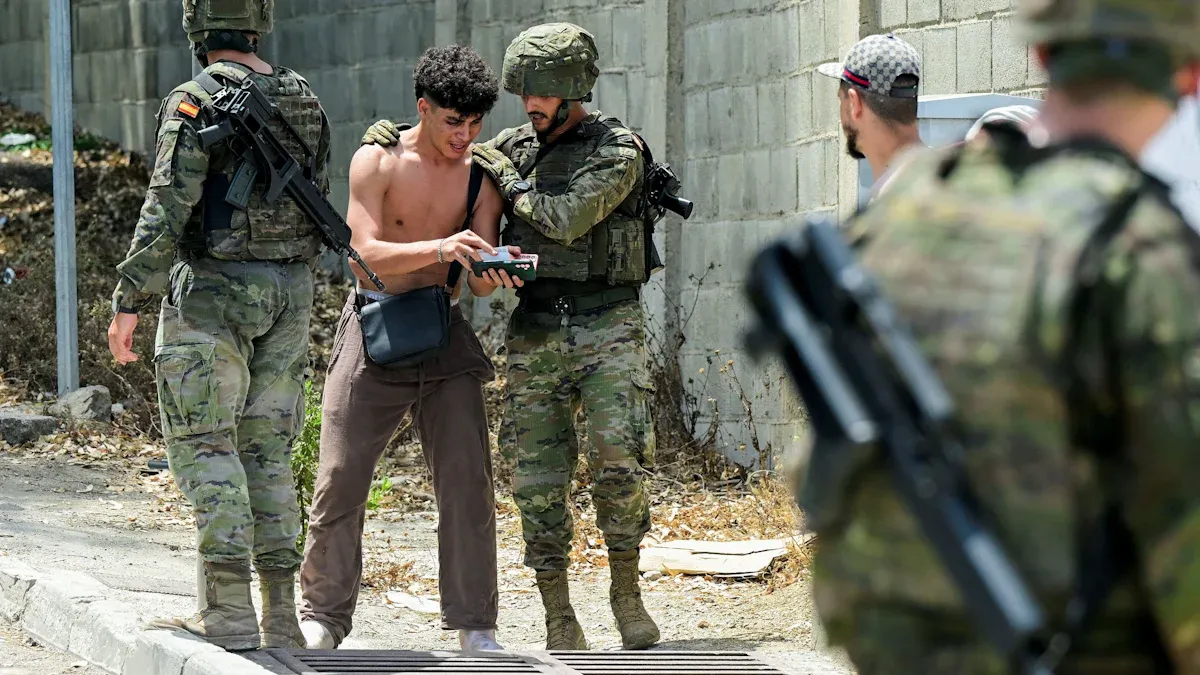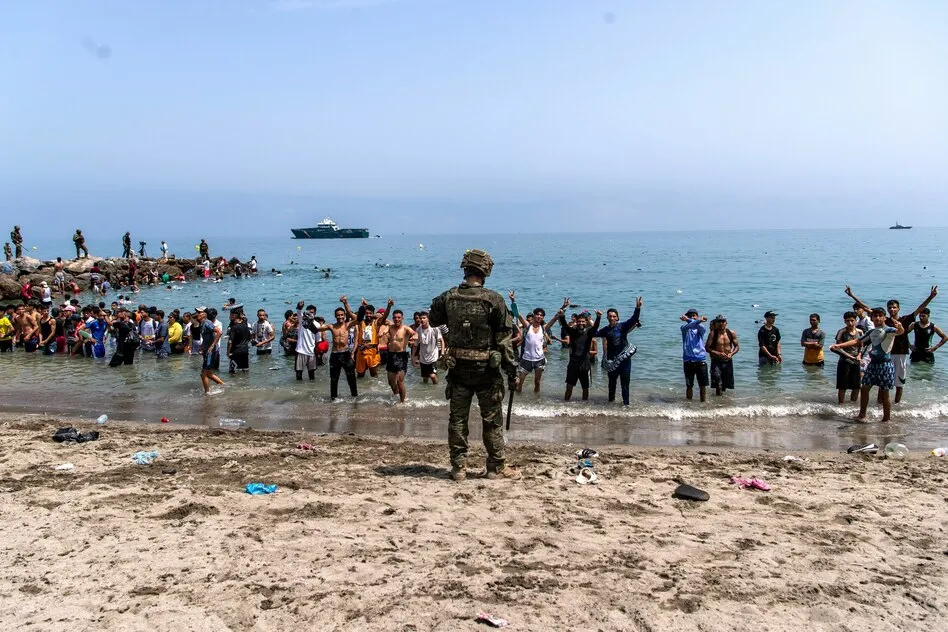

Recently, a staggering influx of approximately 60,000 individuals surged toward the border fence between Morocco and the Spanish exclave of Ceuta, resulting in tragic fatalities, with at least 57 lives lost during this perilous journey. This alarming situation raises two pressing questions: What level of desperation drives individuals to undertake such a dangerous endeavor? Furthermore, how inhumane are those who exploit this desperation for their own political gains? The first question is straightforward to address; the disparity in wealth between Morocco and Spain is among the most pronounced in the world at any border. The lure of seeking refuge in what is perceived as a paradise is undeniably compelling, especially when rumors circulate that Spain is unwilling to deport anyone, drawing tens of thousands towards its borders.
Nevertheless, Morocco is not renowned for its adherence to human rights, leading many to turn a blind eye as thousands embark on their journey toward Ceuta, while the omnipotent King Mohammed VI celebrates his throne festival merely 30 kilometers away. The current diplomatic relations between Morocco and Spain are surprisingly stable. Spanish Prime Minister Pedro Sánchez has recognized the autonomy solution for the occupied former Spanish colony of Western Sahara, marking a significant concession towards Mohammed VI. So, why is Morocco allowing this mass exodus toward Ceuta at this particular moment?
While one might speculate about Spanish energy deals with Algeria, these agreements are not new. What is unprecedented is the political climate surrounding Sánchez, who, as the leader of the Socialist International, has become a target for many who wish to see him dethroned. Being the last leftist leader at the helm of a major EU nation, Sánchez has drawn ire from figures like former US President Donald Trump and Benjamin Netanyahu. His refusal to permit US troops to operate from Spanish bases and his condemnation of the illegal war against Iran have made him a controversial figure.
Additionally, Sánchez has publicly criticized the kidnapping of Venezuelan President Nicolás Maduro, earning threats from Trump, while his accusations against Netanyahu regarding genocide in Gaza have further alienated him from right-wing factions. Consequently, Sánchez has emerged as a leftist icon beyond Spain’s borders, inadvertently becoming a target for various extremist groups. The far-right governments in Italy and Finland have responded with heightened border controls, even though Ceuta lies outside the Schengen zone and on a different continent. Ultimately, this situation prompts a critical question: Is the Moroccan monarch merely a pawn in the neofascist, Trumpist international agenda?
As reported by taz.de.