

The Complex Relationship Between Morocco, the USA, and Spain
In a recent discussion on 'La Mañana de Fin de Semana,' security and geopolitics expert Amín Lejarza delves into the intricate relationship between Morocco and the United States, emphasizing that the current 'honeymoon' phase is not a new phenomenon but rather an extension of a long-standing alliance that has persisted for decades. Lejarza asserts that, despite the newfound visibility of these ties, the relationship has consistently remained positive, creating a precarious situation for Spain. Historical context plays a crucial role in understanding this dynamic, as Lejarza points out that the first U.S. embassy was established in Tangier, Morocco, a strategic location at the crossroads of Africa and Europe, particularly near the Strait of Gibraltar. While this alliance is currently perceived as thriving, it serves mutual international interests, projecting a strong bond between Morocco and the USA.
Spain's Strategic Missteps and the Role of Israel
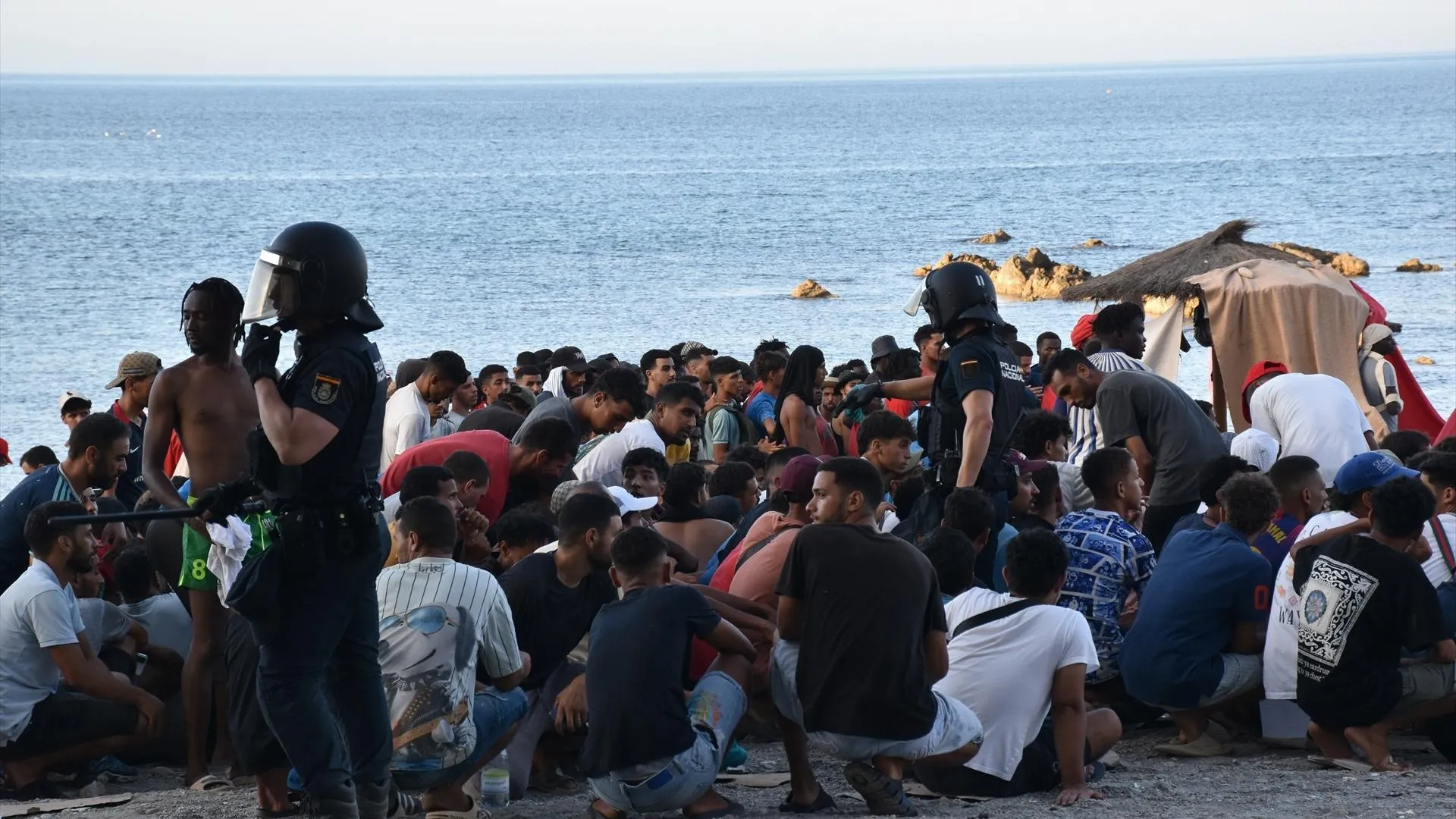
Lejarza introduces a critical third player in this geopolitical equation: Israel. He argues that Spain's clear support for Palestine, especially since the events of October 7, has inadvertently strengthened Morocco's relationships with both Israel and the USA. This shift is further compounded by a series of challenges facing Spain, including debates on defense spending, the ongoing Israel-Palestine conflict, and the use of American bases, which have allowed Morocco to assert its interests more favorably compared to those of Spain. Critically evaluating Spain's foreign policy, Lejarza condemns the lack of strategic foresight, labeling the country as reactive rather than proactive. He stresses the importance of establishing state agreements on foreign policy to ensure a coherent approach, particularly regarding Morocco, which remains a pivotal ally. However, he warns that this relationship risks becoming one of dependency rather than cooperation, citing Morocco's ability to exert pressure by potentially sending thousands of migrants across the Ceuta border.
Despite the challenging circumstances, Lejarza does not advocate for complete submission to Moroccan influence, asserting that Spain must firmly establish its own boundaries. He poses a vital question regarding Spain's reluctance to take a stand, suggesting that the geographical distance from Israel makes it easier for the government to critique its actions compared to the more complex relationship with Morocco, characterized by mutual dependencies. This nuanced examination of Spain's foreign policy highlights the pressing need for a reevaluation of its strategies in the face of evolving international relations.
As reported by cope.es.
