
World Cup Expansion: Opportunities and Challenges
The recent expansion of the FIFA World Cup to include 48 teams has opened the door for many smaller nations to participate in this prestigious tournament. While this move creates opportunities for underrepresented countries, it also raises concerns regarding the overall quality of play. A prime example of this was the match between reigning European champions Spain and the Cape Verde Islands, which ended in a surprising 0-0 draw. Cape Verde, often overlooked in international football, demonstrated that their veteran goalkeeper, Vozinha, is not merely a liability despite being 40 years old. His outstanding performance against Spain included a series of impressive saves, hinting at the potential of lesser-known teams to challenge established football powers.
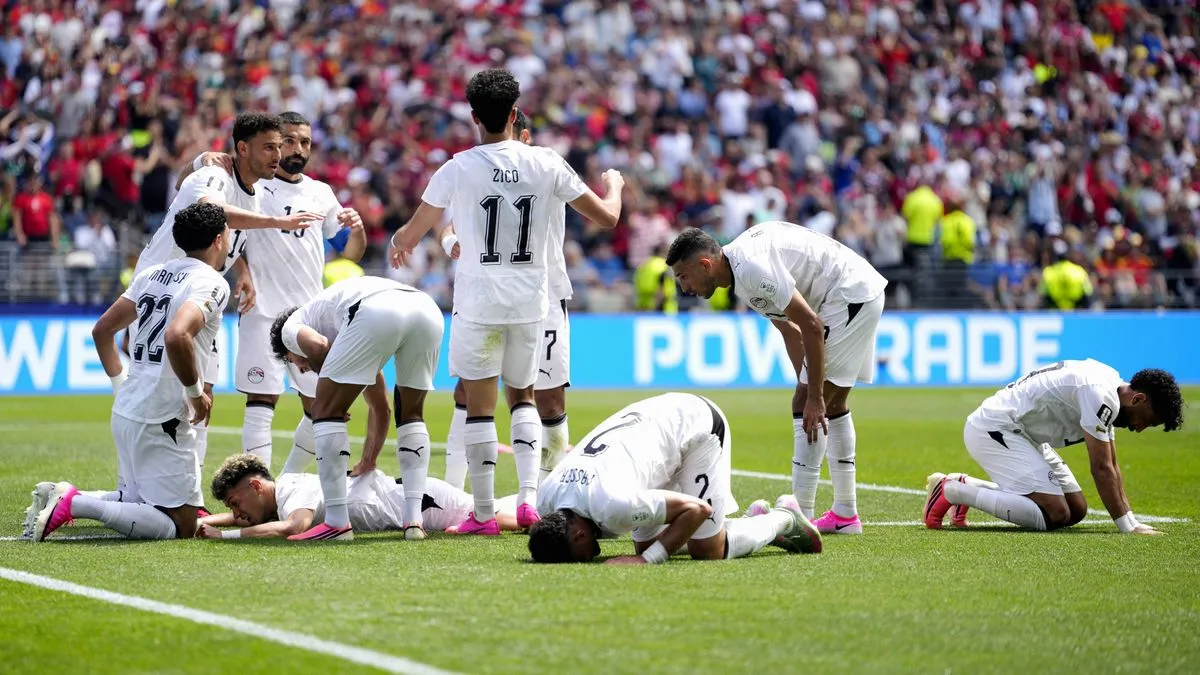
Shortly after Spain's disappointing start, Belgium, a dark horse in the tournament since 1984, faced Egypt and managed only a 1-1 draw. The match showcased the skill and tenacity of the Egyptian squad, who proved that African teams are no longer just filler in the tournament. They have the potential to make significant impacts, as already hinted by the performances of Morocco and Ivory Coast. On the other hand, Tunisia's situation is dire; following a humiliating 5-1 defeat to Sweden, coach Sabri Lamouchi was dismissed after just one match. This situation raises questions about whether there are 'firefighters' in national teams capable of stepping in during crises. Perhaps it's time to call in 'Rudi the Restless' for a rescue!
The Evolving Landscape of International Football
The current World Cup underscores a pivotal shift in international football, where rising teams challenge traditional hierarchies. With the influx of new competitors, the dynamics of the tournament are changing, making it essential for established teams to adapt or risk elimination. As the tournament progresses, one thing is clear: the landscape of international football is evolving, and every match could be a potential upset. The importance of this shift cannot be understated, as it reflects not only the growing competitiveness of global football but also the emerging talents from nations previously considered underdogs.
As reported by 11freunde.de.