
The Burden of Our Eating Habits
In this challenging time when our sacred places are under threat and our identities are being undermined, it is imperative that we liberate ourselves from the chains that bind us to the earth, weaken our resolve, and shake our determination. We should respond to the call of ‘truth’ and boldly proclaim our beliefs, standing firm on the frontlines according to our capacities and strengths. However, when we strive to answer the innate call within us, we are often met with burdens that weigh us down, shackles that constrict our voices, and reigns that silence our tongues. Alarmingly, much of this is interlinked with our digestive systems, which now have a louder say in shaping our stances and roles in society. The cravings of our stomachs have unfortunately become a significant reason for our humiliation, subjugation, and dependence on others. We find it increasingly difficult to uphold our sacred values and defend our identity because our appetites, developed and nurtured over decades, seem unwilling to relent.
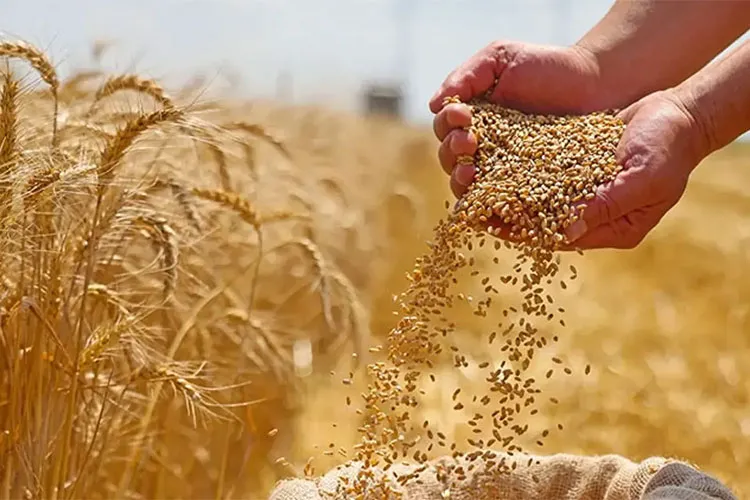
One insightful saying goes, "If your food comes from your enemy, do not expect to have freedom from your own head." Reports concerning food imports reveal that six out of the ten countries that import the most wheat globally are Islamic nations. Collectively, Arab countries import nearly 50 million tons of wheat annually, even though the arable land available to them exceeds 220 million hectares, with less than a third actively cultivated. Furthermore, Arab nations spend around 110 billion dollars on food imports each year, meaning that approximately 80% of what these populations consume comes from abroad. Under these circumstances, how can we expect to have our decisions in our own hands? How can we hope to safeguard our religion, sacred sites, identity, language, and national security? The late Algerian thinker Malek Bennabi wisely stated, "As long as our wheat comes from our enemies, our decisions are not in our hands," while the late Egyptian thinker Mustafa Mahmoud remarked, "If your food does not come from your own harvest, do not expect freedom from your own thoughts." This illustrates that food has become a significant concern in our lives.
The Consequences of Our Relationship with Food
The current situation is disheartening and its outcomes are dire. But how did Arab and many Islamic nations come to this point? While misguided policies are a primary cause, there is also a behavioral aspect related to us as Arab populations, particularly regarding our eating habits and interactions with food. We have distanced ourselves from our religious teachings and traditional practices, allowing food to become a central hub of our lives. Eating has transformed into one of our greatest concerns, with a heightened obsession surrounding different types and varieties, not only among children but also among men and women alike. Many of us no longer eat solely when hungry or at mealtimes; instead, we eat at all hours, combining meals, snacking between courses, and indulging throughout the day and night. The refrigerator door seems to never cease its movement, and the stove rarely cools down. The primary worry for mothers has shifted to what to prepare for lunch and dinner, while recipe pages have become some of the most followed by women at home. We prioritize meal planning over our spiritual obligations, and when traveling, our primary concerns revolve around where to get our coffee and where to have our meals rather than the timing and place for prayers. Even during joyous occasions, the focus often shifts to food choices rather than spiritual celebrations.
Grocery stores are overflowing, and fast-food restaurants are ubiquitous, packed from morning until late at night, with women in urban areas becoming some of the highest patrons of these establishments. Public restrooms face immense pressure, and the cleanliness of mosque toilets is often compromised. The waste produced daily overwhelms waste management systems, leading to astonishing piles at landfills. Even during Ramadan, a month traditionally meant for moderation, our food purchases surge, with meal schedules merely adjusted rather than reduced. The time between Iftar and Suhoor has morphed into an open arena for continued consumption. Phrases like "I haven’t had dinner yet" resonate with significance, while statements like "I haven’t prayed yet" pass by without much thought. We can easily miss our appointments with our Creator, yet we remain punctual with our meals.
This obsession with food has resulted in numerous health concerns, including gastrointestinal ailments that compel us to frequently visit hospitals. Even non-digestive diseases often stem from dietary choices, leading to conditions such as high blood pressure and diabetes. The overindulgence in food, particularly unhealthy options, has contributed to a deterioration of our health, pushing us to allocate significant portions of our income to medical expenses. It’s a tragic irony that in our pursuit of wealth, we neglect our religious duties, only to spend that hard-earned money on unhealthy food that further jeopardizes our health. Many find themselves spending two-thirds of their income on food and medical care, leaving little for spiritual and religious pursuits. Our digestive systems seem to be in overdrive, while our minds and bodies struggle to keep pace. Ideally, our digestive systems need rest after meals, yet we find it hard to let them recuperate. Each meal should ideally be separated by a significant interval, but more often than not, we fill the gaps with snacks and quick bites, leading to an overall decline in health and cognitive function. Imam Al-Ghazali aptly noted, "Overeating leads to sluggishness," while the wisdom of the past reminds us that moderation is key to well-being.
Ultimately, if excess food consumption only affects physical health, it would be prudent for individuals to reconsider their choices. However, the repercussions of excessive eating extend well beyond physical ailments, impacting our spiritual well-being and connection to our faith.
As reported by echoroukonline.com.