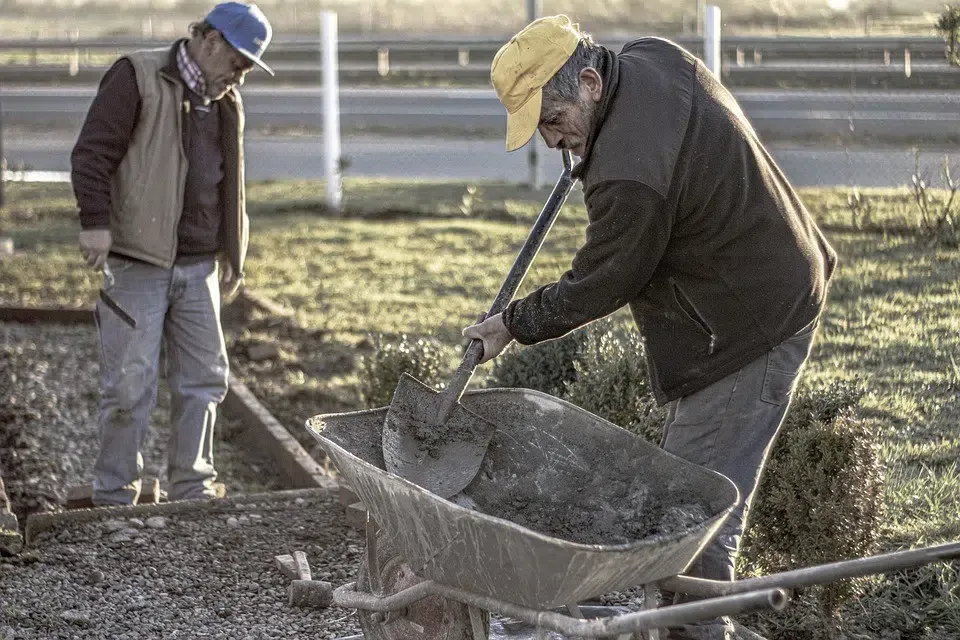

Over 75% of Moroccan Workers Are in the Informal Sector
The informal sector continues to be the dominant force within Morocco's labor market. Recent special evaluations conducted by the Haut-Commissariat au Plan (HCP) reveal that more than 75% of all employed Moroccans are engaged outside the formal systems of contributions, taxes, and registrations mandated by the state. This shadow economy serves as a primary socio-economic safety net for millions of families across the kingdom, highlighting the significant reliance on informal work.
According to HCP data, there are currently over two million production units fully operating within the informal sector in Morocco. These micro-enterprises typically exhibit extremely low capital investment and consequently low productivity levels. Due to their minimal profit margins, these entities have limited capacity for investment, resulting in a situation where even during periods of moderate economic growth, there are hardly any stable, long-term, and socially secured jobs created.
Informal Employment Exploitation and Economic Implications
Experts, including economists and officials from the Bank Al-Maghrib, have long warned that the weak productivity growth in the informal sector poses the greatest structural barrier to the country's economic advancement. The taxes, social contributions, and bureaucratic requirements are often perceived by those involved as existential burdens, leading to a low willingness to formalize their businesses despite government incentives.
The growing dominance of the informal economy poses risks to Morocco's ambitious social reforms and puts pressure on the government as it approaches the elections in September. Understanding why this structural issue persists and how it impacts the nation's socio-economic landscape is crucial for addressing the challenges ahead.
As reported by maghreb-post.de.