
The Brima Mosque: A Symbol of Resistance and National Memory
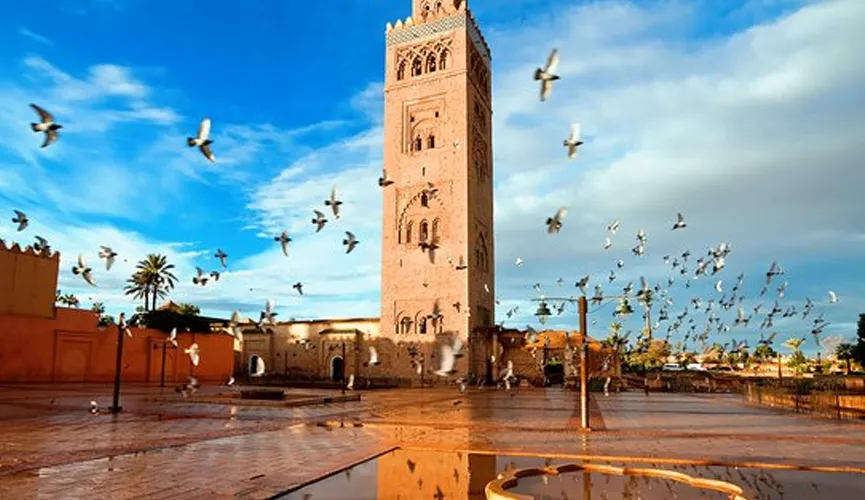
In light of the commemoration of the Revolution of the King and the People, Moroccans reflect on pivotal moments in their national struggle against colonial rule. This remembrance serves as a tribute to the gallant figures who stood firm against oppression, notably the martyr Haman Fattouaki, a prominent symbol of resistance from Marrakech. The Brima Mosque holds a significant place in this narrative, marking a key event in the national resistance against colonial authorities and their local allies.
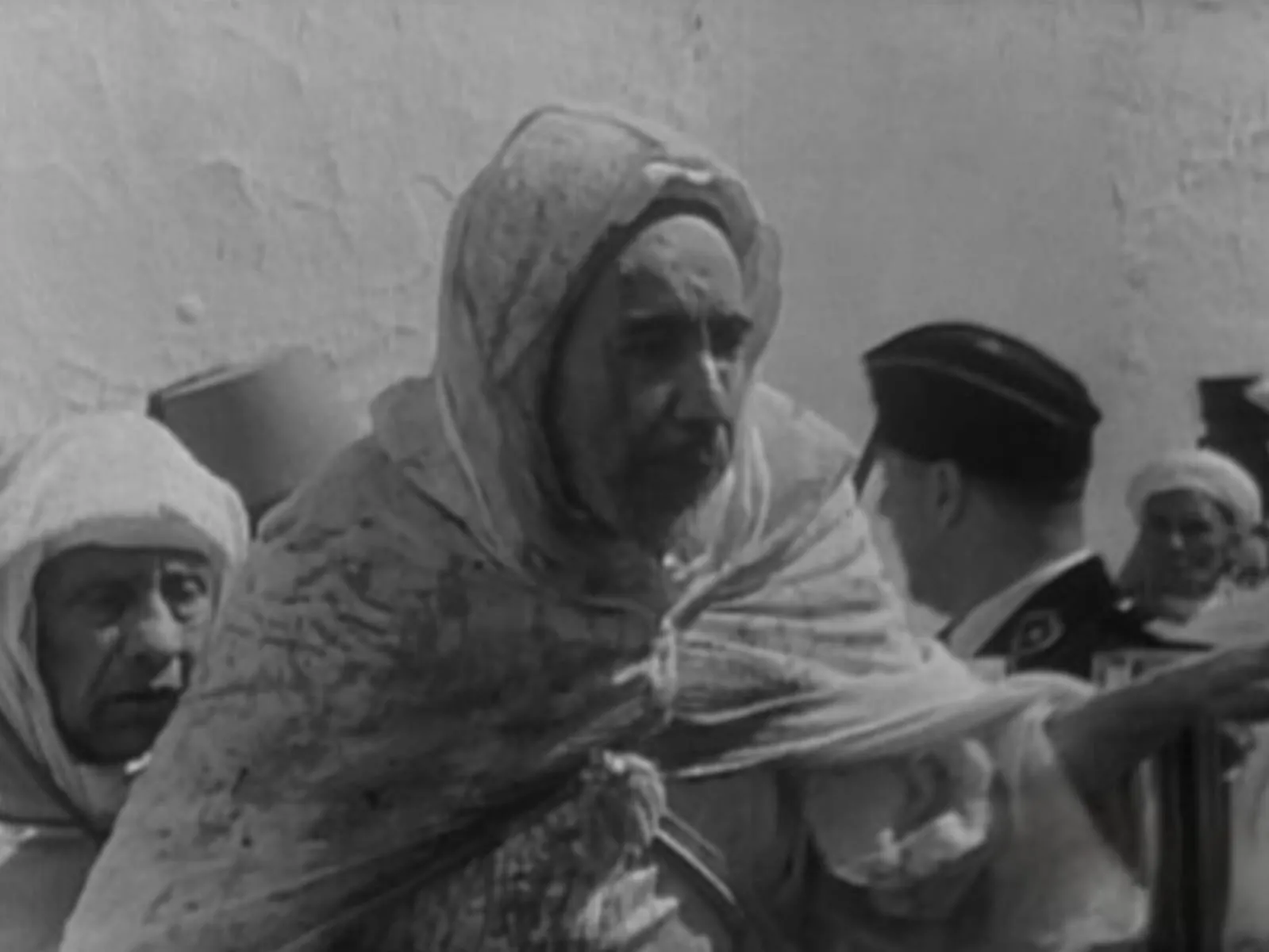
The Brima Mosque incident is a notable episode associated with Marrakech's resistance movement. While historical accounts vary in details and exact dates, it is generally agreed that the mosque became the site of an assassination attempt on Mohammed Ben Arafa, who was installed by the protectorate authorities following the exile of Sultan Mohammed Ben Youssef in 1953. Historical narratives indicate that Haman Fattouaki's cell was among the most active resistance groups in Marrakech, coordinating and executing several missions against the colonial powers.
According to historical records, four key resistance fighters participated in the Brima Mosque operation: Ahmed Aqlah, Mohammed Ben Al-Arabi Al-Qahouji, Lahcen Roudani, and Ali Radwan. This operation was part of a broader strategy to confront representatives of the colonial administration, marking a transition from overt political protests to clandestine and militant actions in the wake of the Sultan's exile. Marrakech emerged as a significant hub for this form of resistance, with Haman Fattouaki recognized as a leader of the armed cells.
The Brima Mosque is not merely a historical site; it embodies the collective memory of a community that fought valiantly for independence and the restoration of the rightful monarchy. This period witnessed a surge in attacks targeting colonial officials and their collaborators, as the demand for the return of Sultan Mohammed Ben Youssef became central to the national movement. Haman Fattouaki remained dedicated to this cause until his arrest, which ultimately led to his execution in 1955, forever etching his name into the annals of Moroccan resistance history.
As the anniversary of the Revolution of the King and the People approaches, it is essential to revisit these events not as a glorification of violence but as a vital part of Morocco's historical narrative, highlighting the sacrifices made by the resistance fighters for national sovereignty. The Brima Mosque stands as a testament to the struggles endured in Marrakech, reminding future generations of the importance of patriotism and the sacrifices that define freedom. The legacy of Haman Fattouaki and his comrades remains a crucial element of Morocco's national memory, warranting further research and documentation to ensure that their stories are not forgotten by future generations.
As reported by tanwer.ma.