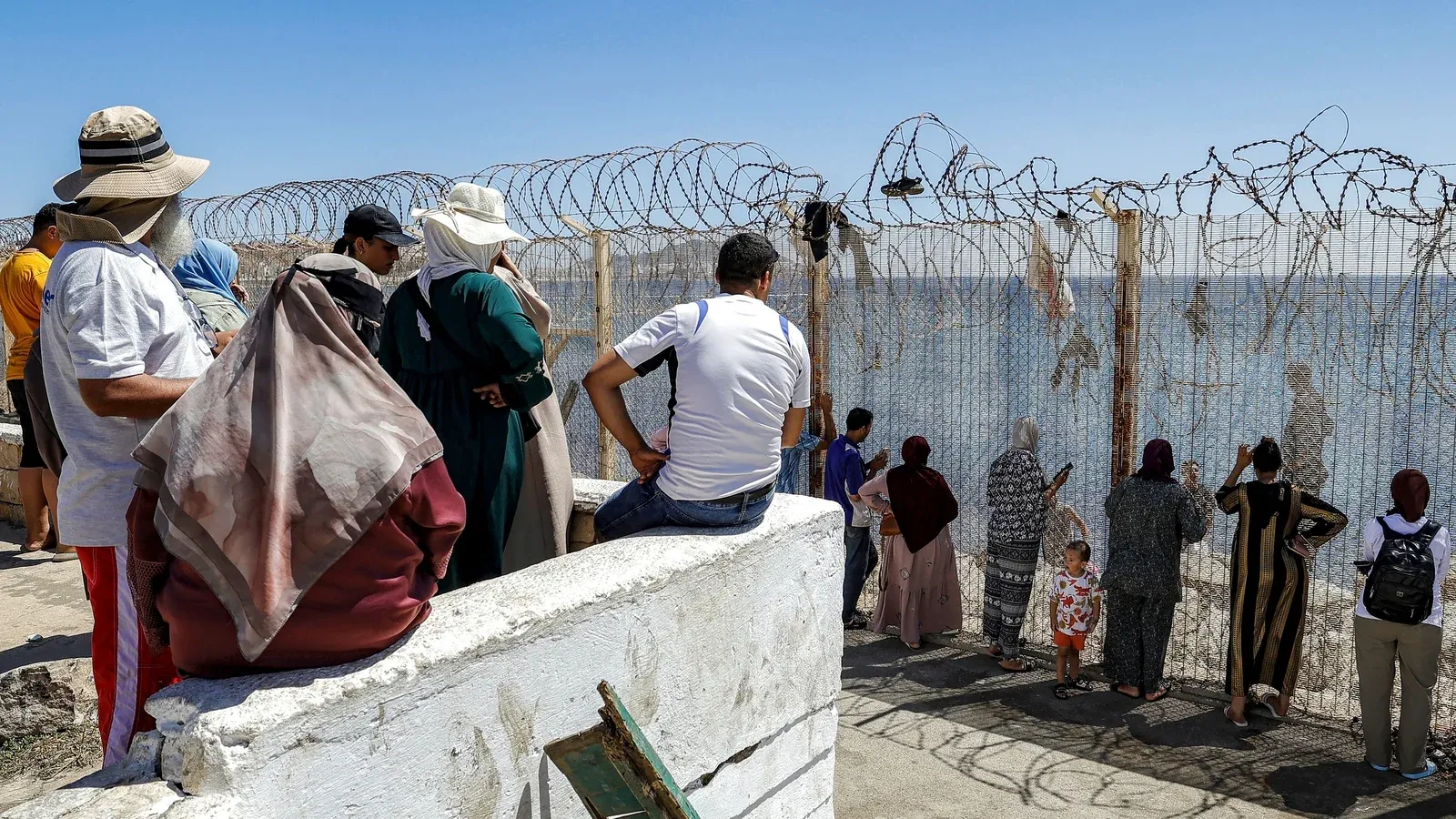
Overview of the Migrant Situation in Ceuta
In a recent wave of migration, approximately 70,000 individuals crossed into Spanish territory through Ceuta, a small enclave located on the northern coast of Africa, bordering Morocco. This surge was driven largely by economic hardships and the search for better living conditions in Europe, as migrants sought refuge and opportunities. However, as the situation stabilizes, it has been reported that most of these individuals have returned to their home countries, highlighting the transient nature of this migration crisis.
Despite the current lull, experts warn that this is likely not the end of the influx. The underlying issues that prompted such a mass exodus remain largely unaddressed, suggesting that many will attempt to return to Spain or other European nations in the future. The motivations for leaving their home countries—such as poverty, lack of employment, and political instability—continue to exist, making it inevitable that some will seek to make the journey again in hopes of a better life.
Implications for Spain and the European Union
This recurring cycle of migration poses significant challenges for Spain and, by extension, the European Union. As a frontline state dealing with the repercussions of migratory movements, Spain is tasked with managing both the humanitarian needs of migrants and the political implications of border control. With the European Union's policies on migration and asylum constantly evolving, the situation in Ceuta serves as a critical case study for how European nations might respond to similar crises in the future.
As Spain navigates this complex landscape, it is crucial for policymakers to consider long-term solutions that address the root causes of migration, rather than merely implementing temporary measures. The international community must work collaboratively to provide assistance and create opportunities in the migrants’ home countries to prevent future crises. Until then, the specter of renewed attempts to cross into Europe looms large, leaving Spain and its neighbors in a precarious position.
As reported by thetimes.com.