
The Historic Agreement for the Nigeria-Morocco Atlantic Gas Pipeline
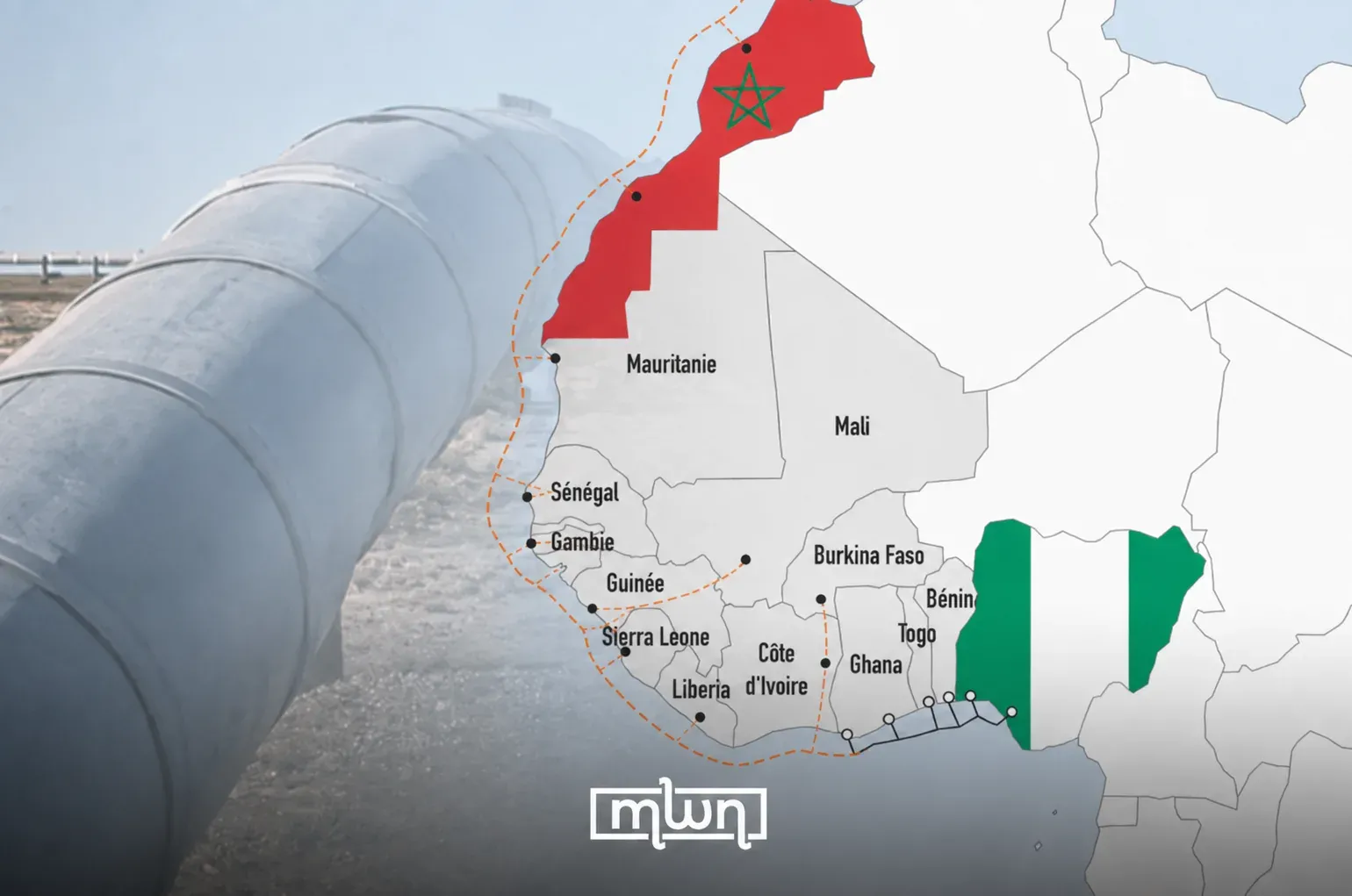
On Sunday in Freetown, a long-anticipated proposal took a significant step forward as the heads of state of the Economic Community of West African States (ECOWAS) officially endorsed the intergovernmental agreement (IGA) for the Nigeria-Morocco Atlantic gas pipeline. Spanning approximately 6,800 kilometers, this ambitious pipeline aims to transport Nigerian gas along the West African coastline to Morocco, ultimately facilitating access to European markets. Julius Maada Bio, the current chair of ECOWAS and president of Sierra Leone, remarked at the summit, "Don’t be surprised when the gas comes your way," signaling the positive outlook for this transformative energy project.
The pipeline's scale is remarkable, as it is designed to transport up to 30 billion cubic meters of gas annually, with approximately 15 billion cubic meters allocated for Moroccan and European markets via the pre-existing connection to Spain. This development has the potential to export more than half of Nigeria's current gas production, a significant portion of which is currently lost through flaring. Bashir Bayo Ojulari, the CEO of the Nigerian National Petroleum Corporation (NNPC), articulated this capacity in more tangible terms, noting that the pipeline could facilitate the delivery of around 3 billion cubic feet of gas per day (3 Bcf/d) to various markets along the coast and further into Europe.
Engineering Feasibility and Strategic Importance
Comprehensive feasibility and engineering studies have been completed, including the Front-End Engineering Design (FEED), route reconnaissance surveys, and environmental and social assessments, along with the establishment of essential legal, regulatory, and commercial frameworks. These milestones pave the way for the next phase of the project, which involves the creation of a jointly owned special purpose vehicle (SPV) by Morocco’s ONHYM and Nigeria’s NNPC in Casablanca. This SPV will be responsible for securing financing and steering the pipeline towards a final investment decision (FID), with a Pipeline Higher Authority (PHA) based in Abuja to oversee operations.
The African Atlantic Gas Pipeline (AAGP), primarily constructed offshore, is set to become the longest underwater gas pipeline globally, with an estimated cost of around $25 billion (approximately €23 billion). The corporate phase of the project is crucial, as it aims to establish robust partnerships and financial backing to ensure successful implementation.
However, the project has faced skepticism from Algeria and its supporters, who argue that the pipeline is excessively long, costly, and led by a nation that lacks significant gas production. They point to the Trans-Saharan Gas Pipeline, which connects Nigeria to Algeria through Niger, as a shorter and more economical alternative that is already under construction. Critics may view this comparison favorably for Algeria, but it fails to acknowledge the broader strategic implications of the Nigeria-Morocco Atlantic gas pipeline.
The Atlantic pipeline is not merely an evacuation line; it is designed to serve as a development backbone for the region. Unlike the Trans-Saharan route, which traverses the desolate expanses of the Sahara without integrating local economies, the Atlantic pipeline will connect eleven countries along its route—Benin, Togo, Ghana, Côte d'Ivoire, Liberia, Sierra Leone, Guinea, Guinea-Bissau, Senegal, the Gambia, and Mauritania. This initiative aims to provide energy to power stations, industries, and mining operations, reaching inland to connect landlocked Sahel countries to the energy grid. ONHYM estimates that the population benefiting from this corridor will be around 400 million people, underscoring the project’s potential to address the pressing energy needs in Africa.
About 42% of Africans currently lack reliable access to electricity, and the continent, which houses 19% of the global population, consumes merely 3.1% of the world's energy. By supplying gas to the eleven transit states, the Atlantic pipeline could emerge as one of the most critical infrastructure projects on the continent, making a substantial impact on energy provision and economic development.
To facilitate regional demand, the project is designed in phases, with initial connections linking Ghana and Côte d'Ivoire in the south to Morocco, Senegal, and Mauritania in the north. This phased approach aims to generate revenue early and mitigate risks, providing a sustainable model for future infrastructure investments in Africa.
Morocco's geographical advantage cannot be overlooked, as it is the only nation in the region with coastlines along both the Atlantic and the Mediterranean. This positioning allows Morocco to connect the pipeline to the existing Maghreb-Europe gas line, which previously served as a conduit for Algerian gas to Europe but was allowed to lapse in 2022 due to deteriorating relations between Algeria and Morocco. Morocco’s plans to develop an energy hub around this pipeline include a floating regasification terminal at Nador West Med and the Dakhla Atlantic project, further solidifying its role in the energy landscape of West Africa.
In light of Europe’s urgent need for energy diversification following Russia’s invasion of Ukraine in 2022, the continent is actively seeking alternatives to Russian gas supplies. The establishment of a stable southern corridor with an Atlantic terminus aligns perfectly with Europe’s strategy to enhance energy security and diversify its gas sources.
In conclusion, the Nigeria-Morocco Atlantic gas pipeline represents not only a monumental infrastructure endeavor but also a strategic commitment to regional development and cooperation. With Morocco’s history of fostering relationships across West Africa and its proactive approach to addressing energy challenges, this project could serve as a catalyst for economic growth, stability, and collaboration in the region.
As reported by moroccoworldnews.com.