Complex Dynamics in the Western Sahara Conflict
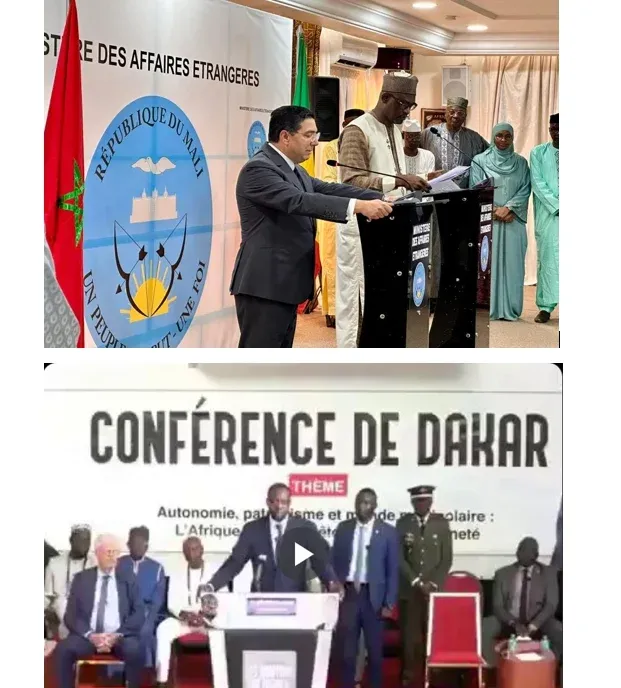
In recent days, various pieces of information have circulated across social media and news outlets, shedding light on the ongoing struggle for international recognition in the Western Sahara conflict. This situation not only highlights the intricate diplomatic maneuvers at play but also underscores the persistent efforts to garner support for Morocco's autonomy plan concerning the region. Reports suggest that diplomatic movements are underway in several African nations, potentially indicating shifts in their stance towards the Sahrawi Arab Democratic Republic (SADR). This comes at a time when Morocco has been strategically working to diminish the number of states that recognize the Sahrawi state, thereby consolidating its position on the continent.
Morocco’s approach is not a recent development; over the past few decades, Rabat has strategically employed a combination of bilateral relations, economic agreements, and cooperation across various sectors to bolster its influence throughout Africa. The ultimate aim is to secure support for its autonomy proposal for Western Sahara, which remains contentious. Conversely, recent statements from African political leaders remind us that the SADR continues to play a significant role within the continent's institutional framework, particularly within the African Union, where it is recognized as a member state. This juxtaposition of diplomatic actions reveals a complex reality: the issue of international recognition for Western Sahara is far from resolved and remains an active point of contention.
Morocco's Autonomy Plan and Its Challenges
At the heart of Morocco's diplomatic strategy lies its autonomy plan for Western Sahara. The Moroccan government not only aims to defend this proposal but also seeks to position it as the only viable solution to the conflict. This strategic move attempts to overshadow other options recognized under international law, such as the right to self-determination through a referendum. However, this approach faces significant challenges. United Nations resolutions and international court rulings consistently acknowledge the unique status of Western Sahara and the Sahrawi people's inherent right to determine their future. The evolving nature of diplomatic signals on this issue indicates that the matter of international recognition and the framework for a political solution remains open and dynamic. Rather than a closed chapter, the conflict is evolving within a landscape of diplomatic tensions, where each position taken holds strategic importance.
As reported by noteolvidesdelsaharaoccidental.org.