
Understanding the Situation in Ceuta After Mass Migration
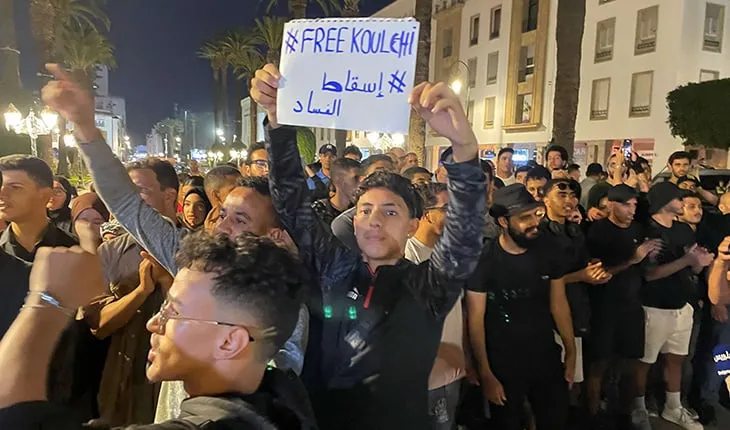
It has been a month since an unprecedented influx of tens of thousands of migrants crossed from Morocco into the Spanish enclave of Ceuta, and the repercussions of this event are still unfolding. According to the Spanish government, approximately five thousand migrants remain in Ceuta, a testament to the ongoing challenges faced by both the migrants and the local community. The situation has escalated in recent days, with nearly daily protests and incidents of violence reported, including attacks on migrant camps. This raises critical questions about the lives of those who made the perilous journey to Ceuta and how their circumstances have evolved after a month of residing in this contested space.
The arrival of so many migrants has resulted in heightened tensions within the city. Local residents are expressing their concerns and frustrations, leading to the aforementioned protests. The sheer number of people seeking refuge has overwhelmed local resources, prompting urgent discussions regarding humanitarian aid and the integration of migrants into the community. This ongoing crisis reflects broader issues related to migration, border control, and international relations, particularly between Morocco and Spain.
The Human Element: Lives Transformed by Migration
For many of the migrants who successfully crossed into Ceuta, the initial excitement and hope have been tempered by the stark realities of their new environment. Once they arrived, many faced immediate challenges, including limited access to basic necessities, lack of legal status, and the constant threat of deportation. Reports indicate that the living conditions in makeshift camps are dire, with inadequate shelter and sanitation facilities. In this context, the human stories behind the statistics are crucial. Each individual represents a life filled with dreams, struggles, and resilience in the face of adversity. Understanding their experiences is essential in addressing the broader implications of this migration event and fostering a compassionate response from the international community.
As reported by bbc.com.