
The Ongoing Struggle for the 2030 World Cup Final
The debate surrounding the hosting of the 2030 World Cup final between Spain and Morocco has reignited discussions about racism in Spanish stadiums. As Spain pushes for the final match to be held on its soil, Morocco presents a strong case, emphasizing its superior infrastructure and organizational readiness. This intense competition raises a crucial ethical question: is it appropriate to award such a prestigious event to a nation grappling with ongoing racism issues?
The conversation took a compelling turn when Brazilian football star Vinicius Junior suggested that Spain should lose its hosting rights if it fails to improve its stance against racism. His remarks sparked significant backlash from Spanish media; however, recent racially charged incidents have given his statements a renewed gravity. Morocco, on the other hand, has showcased its capabilities through the upcoming 2025 Africa Cup of Nations, promoting a modern and welcoming image of its stadiums.
Racism in Spanish Football: A Deep-Rooted Issue
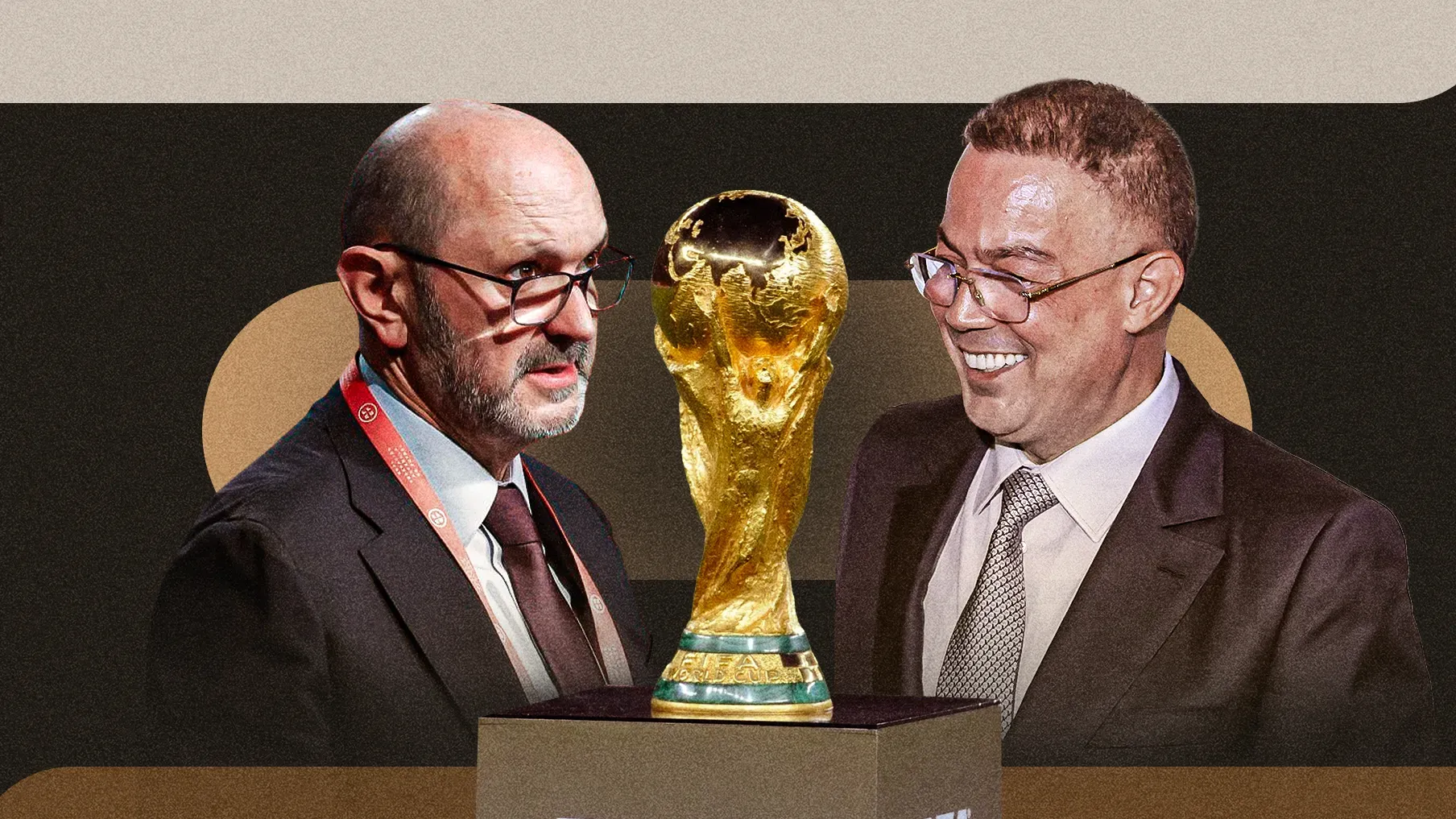
The FIFA decision to grant the World Cup 2030 to a tri-nation bid involving Spain, Portugal, and Morocco, with symbolic opening matches in Argentina, Uruguay, and Paraguay, has set the stage for a sensitive competition between Madrid and Rabat regarding the final's location. Spanish Football Federation president Rafael Louzán has repeatedly asserted that Spain deserves to host the final due to its superior organizational capabilities, with venues like Santiago Bernabéu or Camp Nou being potential sites. Conversely, Moroccan Football Federation president Fouzi Lekjaa has expressed a strong desire for the final to occur in the new Casablanca stadium, which aims to accommodate around 115,000 spectators.
As discussions continue, the FIFA has yet to announce the final's host city, stating that such decisions typically occur two years before the tournament. This ambiguity allows for the possibility of shifts in the debate based on escalating events. Recently, the spotlight has turned towards the alarming rise of racism in Spanish stadiums, exemplified by incidents such as Vinicius Junior's experiences of racial abuse. He has emerged as a symbol of resistance against racism in football, particularly following the historic legal actions taken against fans for racist insults.
The situation escalated further during a friendly match between Spain and Egypt, where fans chanted derogatory slogans targeting Muslims. These chants were not fleeting occurrences but were repeated, prompting organizers to issue warnings against racist behaviors. The Catalan police initiated an investigation into the xenophobic and islamophobic chants, while the Royal Spanish Football Federation condemned the events, emphasizing that such hatred has no place in sports.
In light of these troubling developments, young Spanish-Moroccan footballer Lamine Yamal, who has expressed his distress over the events, highlighted the detrimental effects of racism on players' mental health. Yamal's statements, coupled with the condemnation from the Egyptian Football Federation, underscore the urgent need for action against such discriminatory behavior. As FIFA opens disciplinary proceedings against the Spanish Federation, it is clear that the issue of racism in football transcends mere media controversies; it has become an official matter that requires decisive action.
Ultimately, the collective testimony of players from diverse backgrounds—like Vinicius Junior, Lamine Yamal, and Moroccan Omar El Hilali—paints a troubling picture of racism within Spanish football stadiums. Their experiences reveal a deeper cultural problem that necessitates comprehensive solutions rather than superficial condemnations. As Spain prepares for the World Cup, it must confront these issues head-on to ensure a safe and inclusive environment for all participants.
As reported by goal.com.