
The geopolitical landscape in Africa is witnessing significant changes as the United States shifts its strategy from merely monitoring Russia's growing military presence on the continent to actively establishing a robust response. This transition underscores a critical moment in international relations, where the US is not only concerned about Russia’s expanding influence but is also seeking to forge stronger alliances with key regional partners. Morocco has emerged as a pivotal player in this strategic realignment, poised to serve as a long-term security ally capable of countering Russia's encroachment while simultaneously enhancing American access to one of Africa's strategically vital nations.
The Russian military's expansion in Africa is not a recent development; it is part of a broader strategy that has been evolving since at least 2017. Reports indicate that Moscow has been meticulously crafting a network of influence across the continent, particularly in Libya, where it has been enhancing its operational capabilities at various strategic airbases. The US has expressed increasing alarm over these developments, particularly after accusing Russia of deploying fighter jets to support the Wagner Group, a private military contractor that has been instrumental in backing Libyan commander Khalifa Haftar. This collaboration has reportedly involved the deployment of up to 1,200 Russian mercenaries in the region, raising the stakes in an already volatile environment.
Recent analyses have highlighted that Russia is expanding its activities across six key Libyan airbases, which are undergoing significant upgrades. This includes the enhancement of runways, construction of aircraft shelters, and the establishment of storage and accommodation facilities. The introduction of advanced military hardware, including fighter jets and air defense systems, not only bolsters Moscow's operational capabilities but also facilitates the movement of forces throughout North Africa and into the broader Sahel region. Concurrently, Algeria, a regional rival of Morocco, has been armed with advanced military technology by Russia, escalating the arms race in North Africa and necessitating a decisive response from the US.
Morocco: A Strategic Military Ally for the US
Against this backdrop of heightened tensions and competition for influence, Washington is increasingly looking to Morocco as a strategic military partner. This partnership is anticipated to gain momentum with the potential approval of the long-sought F-35 fighter jet deal, which could significantly enhance Morocco's air capabilities. The importance of this alliance is magnified by the shifting military posture of the US under the Trump administration, which is reevaluating its troop deployments in Europe and considering a redistribution of forces towards Africa.
Morocco's geographic location offers a strategic advantage, allowing the US to maintain a foothold between Africa, Europe, and the Atlantic Ocean while keeping close ties to the Mediterranean region. This strategic positioning is further underscored by recent legislative developments, with the US Senate Armed Services Committee advocating for a comprehensive 10-year roadmap aimed at establishing Morocco as America's premier military partner in Africa. This collaboration is already underpinned by significant investments in advanced military technology, making Morocco one of the most well-equipped defense partners for the US on the continent.
The military cooperation between the two nations encompasses a substantial array of advanced weaponry, including F-16 Block 72 fighter jets, precision munitions, and cutting-edge surveillance systems. Notably, the US has also approved the sale of a substantial number of anti-aircraft missiles and Apache attack helicopters, reinforcing Morocco's military capabilities as Washington seeks to enhance its strategic partnerships across Africa.
Beyond Arms: A Comprehensive Defense Partnership
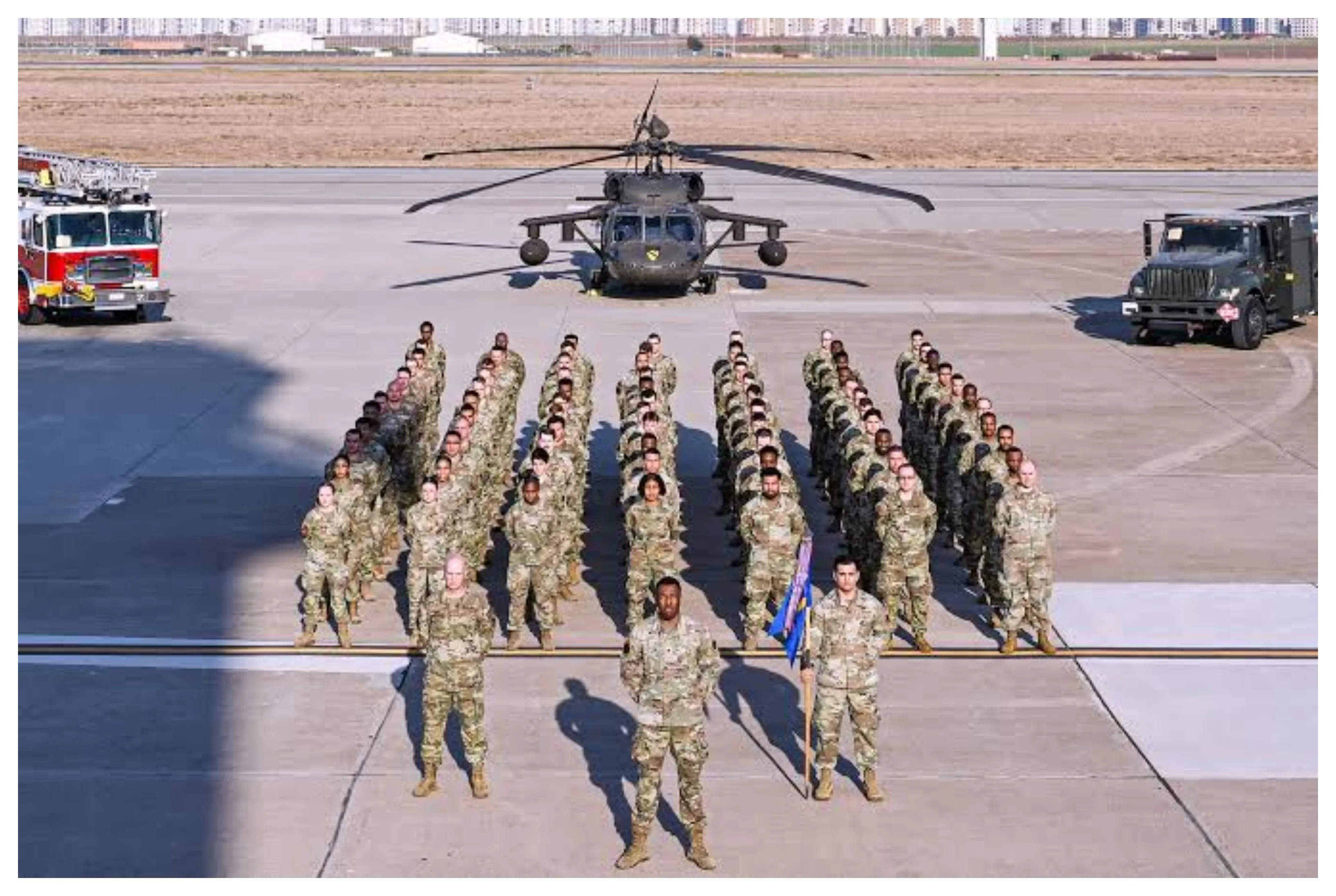
However, the evolving partnership between the US and Morocco transcends mere arms sales. The establishment of the Africa Military Technology Experimentation Centre (AMTEC) near Tan-Tan represents a significant leap in Morocco's defense technology capabilities, providing a dedicated platform for military testing and experimentation. This facility has already attracted US defense initiatives, exemplified by the recent live-fire testing of a long-range cruise missile by Covenant Industries. Furthermore, Morocco plays a crucial role in hosting the African Lion exercise, one of the largest US-led military drills in Africa, which may increasingly pivot towards a focused US-Morocco military collaboration as the competition for influence escalates.
As reported by africa.businessinsider.com.