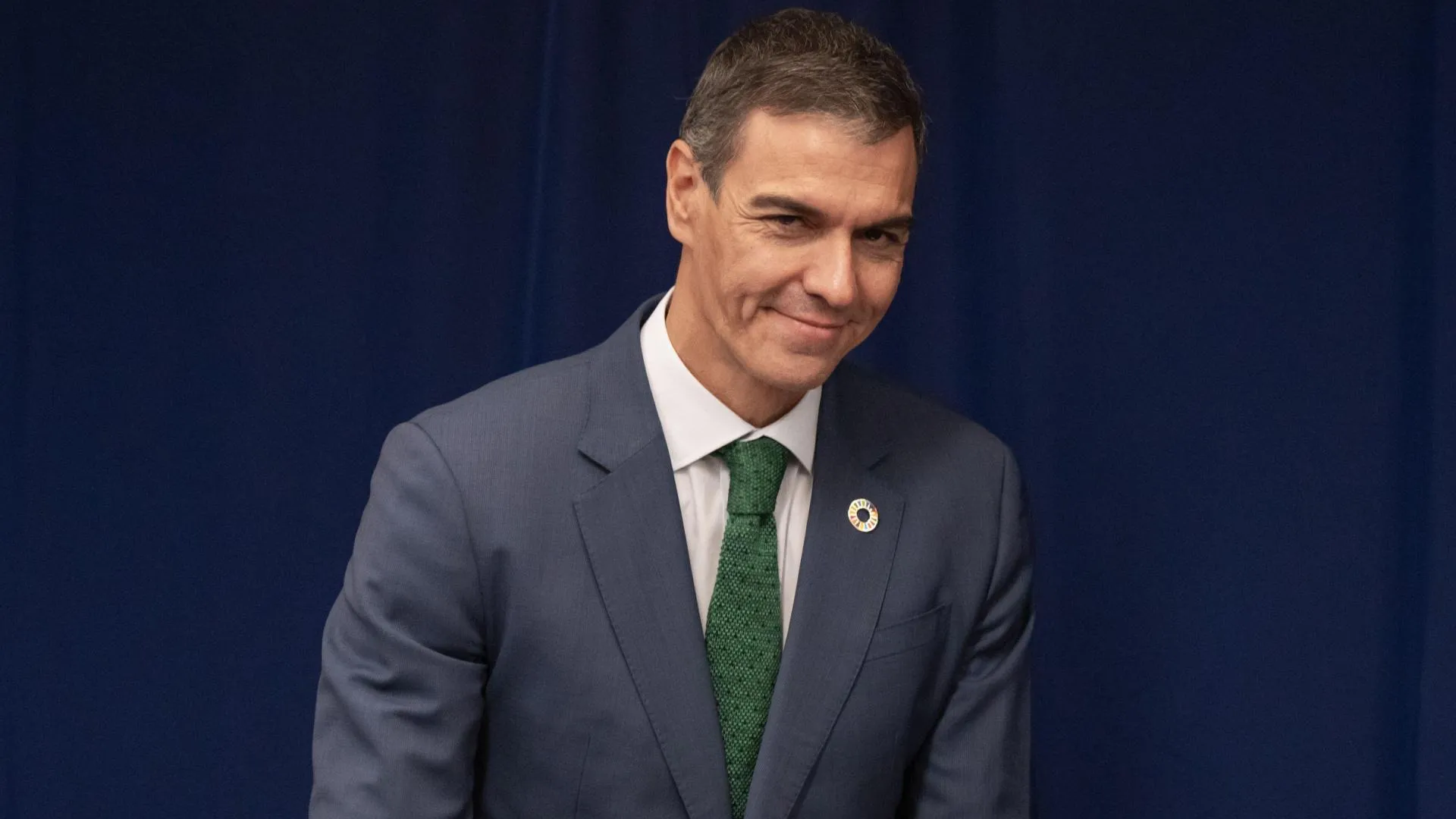
There has been a growing outcry regarding the fact that King Felipe VI of Spain has not visited the autonomous cities of Ceuta and Melilla since ascending to the throne in the summer of 2014. This issue has gained further prominence following a recent migration crisis that has seen significant tragedy in Ceuta. Felipe VI and Queen Letizia have actively visited various locations across Spain where tragedies have occurred, such as the volcanic eruption in La Palma and the devastating floods in Valencia. They have consistently shown their concern for those affected by disasters, which makes their absence from Ceuta, where NGOs estimate over 140 fatalities have occurred on both sides of the border with Morocco, particularly noteworthy. Reports suggest that the decision for the King not to visit a city under Spanish sovereignty is influenced by the Spanish government, with concerns that such visits could provoke tensions with Morocco, especially given the historical context of the British royal family's visits to Gibraltar that sometimes stir sentiments over the territory.
Interestingly, just a year ago, Moulay Hassan, the Crown Prince of Morocco and son of King Mohammed VI, was spotted off the coast of Ceuta enjoying a day at the beach on a jet ski, accompanied by a significant security detail. These images, which initially captured the attention of sunbathers, take on a new significance in light of the recent migration crisis that has unfolded in the autonomous city.
The mass arrival of migrants through the Tarajal pier, estimated by the government at around 72,000 individuals, created an intense situation in Ceuta and has led to at least 141 reported deaths. In response to the crisis, the government coordinated efforts to return nearly 70,000 individuals while various administrations worked to manage an unprecedented emergency. This situation also drew concern from the Zarzuela Palace, with King Felipe VI expressing his "concern and indignation" about the serious events in Ceuta through a statement issued by the Royal Household. The statement emphasized that the state must ensure the safety of its territories and prevent such tragedies from occurring again.
As a demonstration of this commitment, the King met with Juan Jesús Vivas, the President of Ceuta, at the Marivent Palace amid the ongoing migration crisis. During this meeting, Felipe VI communicated his intention to visit Ceuta in the near future.
Why King Felipe VI Has Never Visited Ceuta and Melilla as King
For decades, the relationship between the Spanish and Moroccan crowns has served as a silent pillar in managing the usual diplomatic tensions between the two states. Despite differences over issues such as Western Sahara and Morocco's claims over Ceuta and Melilla, there has historically been fluent communication between the two royal houses, facilitating cooperation on sensitive matters like immigration and energy. King Felipe VI and King Mohammed VI share a personal history that dates back to their childhood, having first met in 1975 when the then Moroccan prince attended the proclamation of King Juan Carlos I. Over the years, this closeness has been reinforced through various institutional and private encounters, mirroring the strong friendship maintained by their respective fathers. This personal relationship has contributed to easing tensions during particularly delicate moments. A notable example was King Juan Carlos's visit to Marrakech following the 2011 terrorist attack, becoming the first foreign head of state to demonstrate support and normalcy in the city.
As reported by eleconomista.es.