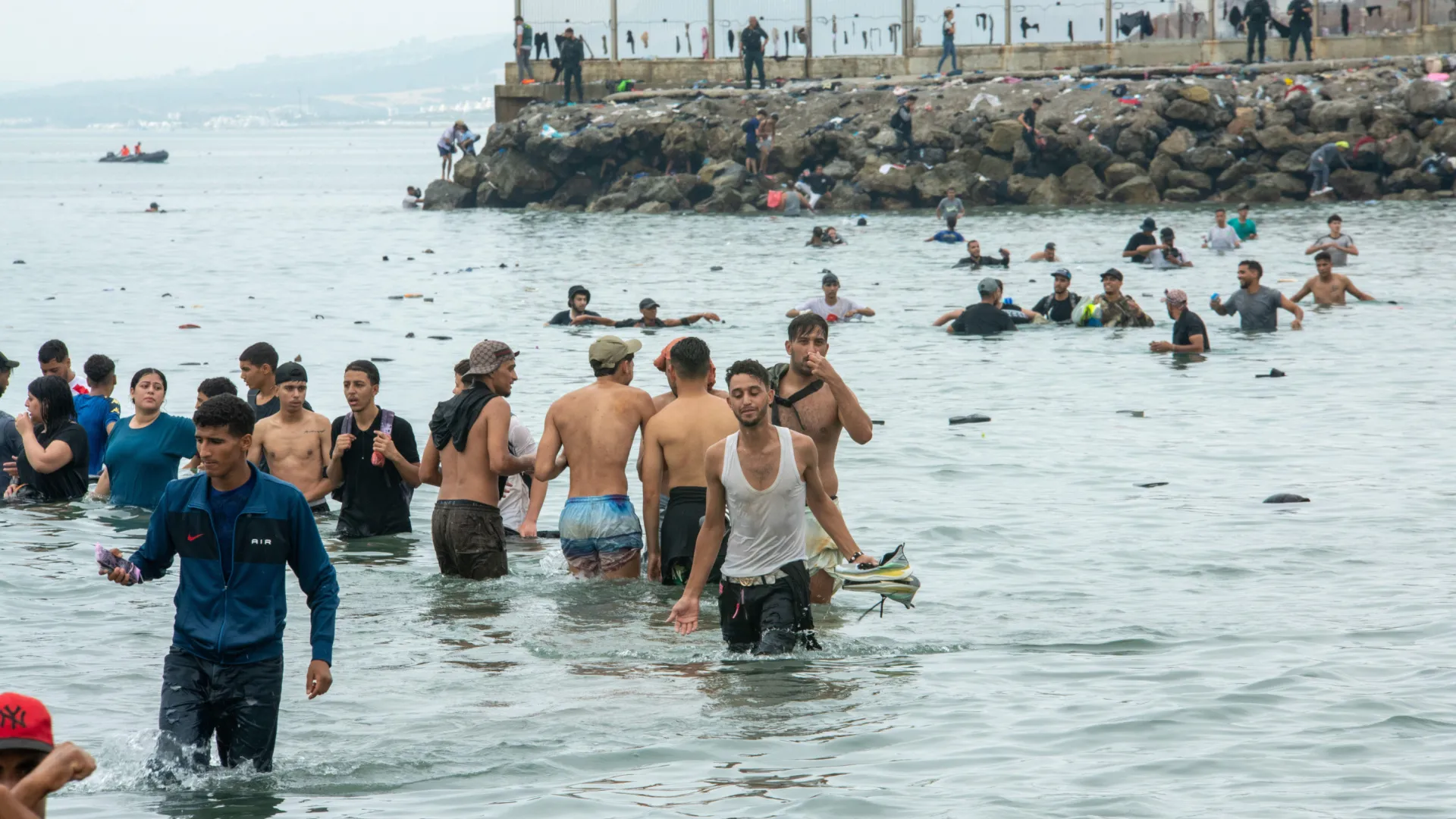

Jaume Reverte Discusses the Migratory Crisis in Ceuta
Jaume Reverte, a Spanish entrepreneur who has been residing in Rabat for the past 15 years, recently appeared on the program 'La Tarde' hosted by Israel Remuiñán. During this interview, he provided a firsthand account of the migratory crisis affecting Ceuta, highlighting the intricate web of bilateral relations and the socio-economic factors at play. Reverte described his experience in Ceuta during the peak of the crisis from August 7 to 16, where he observed a palpable atmosphere of fear among the local populace. He noted, "People were genuinely scared, as they encountered thousands of migrants who seemed emboldened and present everywhere." This insight sheds light on the gravity of the situation and its impact on community sentiments.
Questions Surrounding Spanish Government Awareness
During the discussion, Reverte openly questioned the Spanish government's apparent lack of awareness regarding the significant migratory movements leading up to the crisis. His remarks come amidst ongoing debates about whether prior information was received that could have anticipated the influx of migrants. He pointed out the active role of the documentation office at the Spanish embassy in Rabat, which he claimed is responsible for producing reports and conducting analyses relevant to such situations. Reverte stated, "In the Spanish embassy in Rabat, there is a documentation office, which is known to be the visible face of the CNI (National Intelligence Center) that prepares reports and studies and is actively working; I can assure you they are not on vacation." This statement raises critical questions about the intelligence operations and preparedness of the Spanish authorities in managing the border crisis.
Furthermore, Reverte revealed that local officials in neighboring Moroccan towns, such as Fnideq (Castillejos), were already aware of the impending reopening of borders. He emphasized the improbability that the Spanish authorities were unaware of these developments, noting that even mayors in the region had convened meetings to inform residents that the borders would be open on the specified date. His assertions underscore the complexity of the crisis and indicate a need for greater coordination and communication between both nations regarding border management and migration policies. Reverte concluded, "I have spoken with individuals from Fnideq and Castillejos, and it is indeed true that local officials were aware; they cannot claim ignorance about the situation."
As reported by cope.es.