Demolitions in the Ocean District: Understanding Rabat's Urban Development Plan
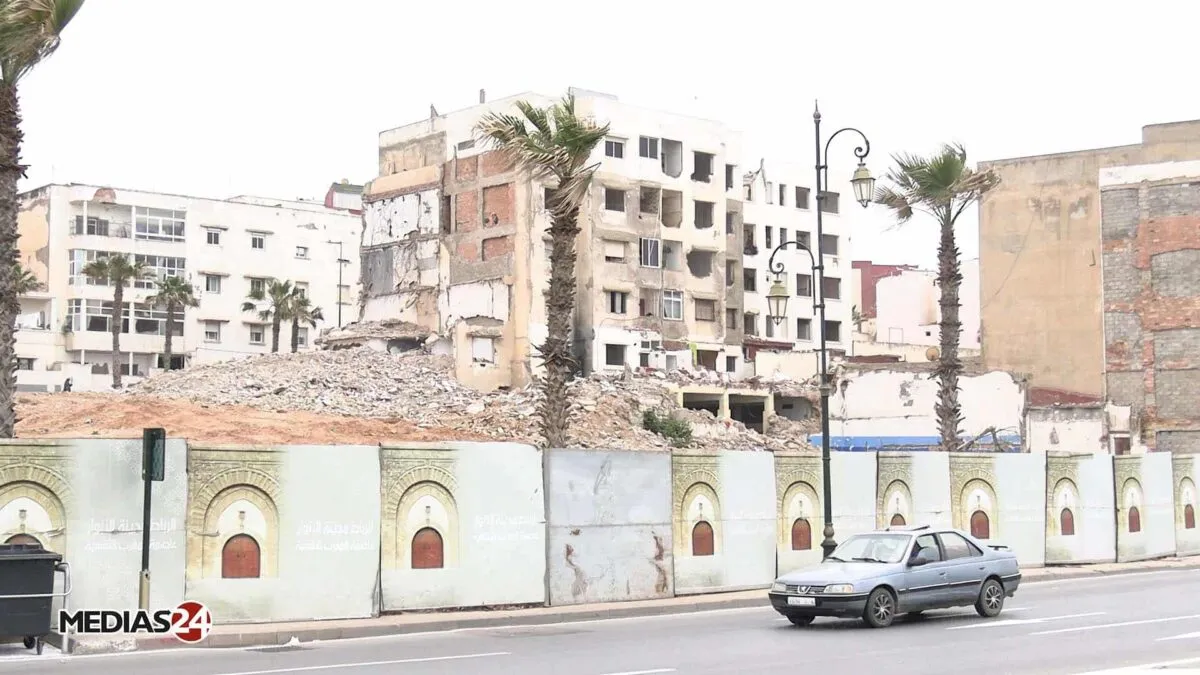
The ongoing demolitions in the Ocean district of Rabat have sparked confusion among residents, especially as the details surrounding the urban development project for this historic area remain largely unknown. Despite some initial steps towards urban requalification as part of Rabat's urban development plan, the implications and connections of these demolitions to the broader project are still unclear. This lack of transparency has left many in the community uncertain about the future of their neighborhood.
In contrast to recent demolition projects in Casablanca, which are part of a clearly defined initiative on the Royal Avenue, the situation in the Ocean district is much more opaque. Heavy machinery continues to raze buildings, yet the specific objectives and plans for the area have not been disclosed, leading to rising unease among locals.
Expropriation Issues: Public Utility or Private Agreements?
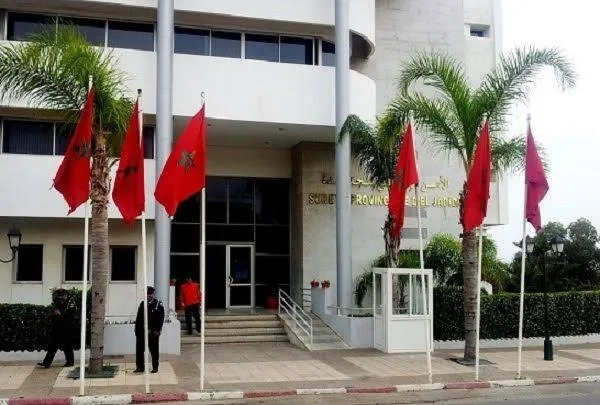
In early February 2025, various demolitions took place, including those in Douar Askar, formerly a residential area for military personnel, before extending to other buildings in the Ocean neighborhood. At that time, the Rabat municipality clarified that these actions did not constitute expropriation for public utility but were rather amicable agreements between residents and the state, asserting that there was no connection to the urban development plan.
However, this situation evolved, and the agreements transitioned into formal expropriations, as indicated by official decrees from the Minister of Economy and Finance published in the official bulletin. These decrees cite public utility for the "development of the urban domain of the Rabat municipality." In March 2026, the first decree declaring public utility introduced specific properties into the discussion, yet the framework for expropriation remains ambiguous due to a lack of clear position from local authorities.
Additionally, the Ocean district has been the subject of a partnership agreement signed in February 2024 between the State Domain Directorate and the Wilaya of Rabat-Salé-Kénitra, concerning the acquisition of real estate in the area under the aforementioned program. This declaration makes reference to the urban development plan of Rabat, which was adopted in February 2025, along with relevant urban planning legislation.
The urban development plan itself has initiated a structured approach toward the Ocean district, supported by a previously validated requalification study. This plan aims to enhance the neighborhood's positioning by leveraging its strengths and overcoming its constraints to attractiveness. Among the key actions proposed is the redevelopment and enhancement of the coastline, focusing on the first strip of the district's waterfront.
For developments in this area, a minimum plot size of 700 square meters is required for construction eligibility, with particular emphasis on encouraging high-value projects. Other initiatives outlined in the requalification plan include the restoration and enhancement of the historical architectural heritage, improving urban landscape quality through infrastructure upgrades, and boosting economic and commercial activity through better-organized retail environments.
Adjacent to the Ocean district, the development plan has also approved the North Corniche project, which aims to create a mixed-use area primarily focused on tourism, leisure, and residential purposes. However, much of the designated land for this project is currently occupied by the Moulay Ismail military camp and Douar Askar, which has been entirely evacuated. Consequently, the affected perimeter halts at Avenue Brahim Roudani, leaving the Ocean district itself largely untouched.
Considering these factors, the urban requalification of the Ocean district, as envisioned by the urban development plan, does not extend broadly but primarily focuses on improving the coastal area and converting urban wastelands into parking, hotels, and commercial spaces.
Furthermore, while the urban development plan of Rabat aims at integrating the city, its scope is constrained by three special zones, each governed by its specific development plan: the Medina, a UNESCO World Heritage site, the 20th-century heritage zone, also recognized by UNESCO, and the buffer zone of the listed heritage. The Ocean district, recognized as the first extramural neighborhood in Rabat's history, lies within this buffer zone. Recent developments have seen the urban agency of Rabat relaunching the planning project related to this area.
As reported by medias24.com.