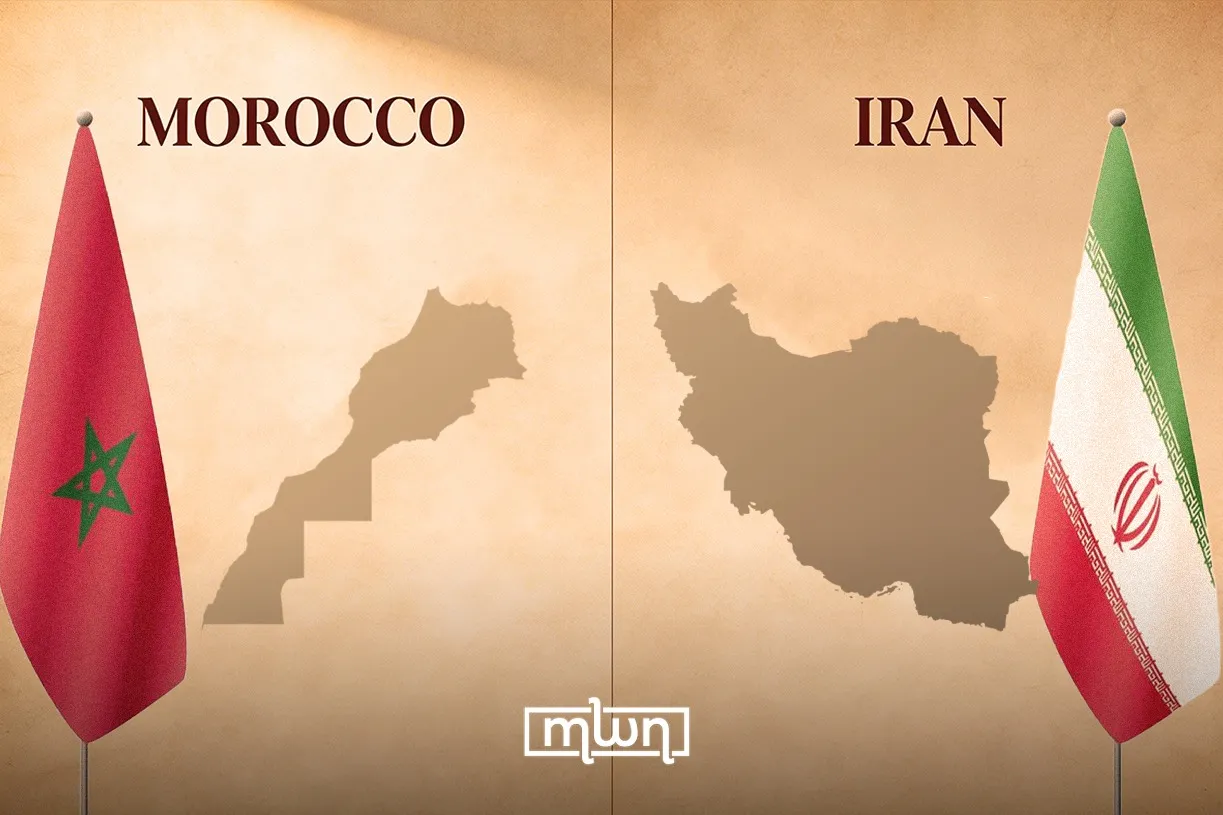
A recent survey conducted by the Arab Barometer, known as Wave IX, reveals a fascinating insight into the perceptions of Moroccans regarding Iran's political influence in the region. Contrary to what one might expect given Morocco's official diplomatic stance, a significant 59% of the Moroccan populace does not view Iran's political influence as a critical threat to their national security. This finding places Morocco near the bottom of the list among seven surveyed nations, with only Palestine recording a lower figure at 40%. In stark contrast, countries like Syria and Iraq perceive Iran's influence as a far more pressing issue, with critical threat perceptions reaching 83% and 66%, respectively.
Furthermore, while 60% of Moroccans consider Iran's nuclear program a critical threat, this figure remains the second-lowest in comparison to other nations surveyed, highlighting a nuanced public sentiment towards Iran's intentions and capabilities. The survey's results are particularly significant in light of Morocco's diplomatic history with Iran, which deteriorated in May 2018 when Rabat accused Tehran of supporting the Polisario Front through its Lebanese ally Hezbollah. This severance of ties has left Moroccan-Iranian relations in a state of stagnation, although recent reports hint at possible discussions between officials from both nations, facilitated by Saudi and Emirati mediators.
The geopolitical landscape has shifted dramatically, especially with the ongoing US-Israeli tensions involving Iran, which have further complicated the dynamics between Arab governments and their citizens. Morocco's leadership has publicly condemned Iran's actions, yet grassroots movements across Moroccan cities reflect a growing public sentiment that may not align with official narratives. Since the onset of the Gaza conflict in October 2023, Moroccans have taken to the streets in large numbers, expressing solidarity with Palestine and criticizing normalization with Israel, suggesting a deeper public sympathy for Iran than what surveys might indicate.
The Arab Barometer's data illustrates this complex relationship, showing an increase in approval of former Supreme Leader Ali Khamenei's foreign policy among Moroccans, which is attributed not to a growing affection for Iran but rather to its stance on the Palestinian issue. This increase in approval, however, is juxtaposed with fragmented views on Iran's role in the Israel-Palestine conflict; many Moroccans remain uncertain about Iran's commitment to Palestine, indicating a broader skepticism about regional alliances and ideologies.
Ultimately, these findings underscore a growing tension within Moroccan public opinion, as many citizens grapple with the implications of Iran's actions in the region while simultaneously perceiving Israeli aggression as a significant injustice. The Arab Barometer report suggests that the future of these sentiments will largely depend on how the ongoing conflicts evolve and how both Iran's and Israel's actions resonate with the public across Arab nations.
As reported by moroccoworldnews.com.