
Protests Erupt in Casablanca Amid Youth Frustration
Casablanca, the largest city in Morocco, is experiencing a paradox of rapid growth and deep-rooted frustration among its youth. As the city evolves with modern infrastructure and luxurious amenities, many young people feel left behind, prompting some to take desperate measures, including fleeing to Ceuta. In a recent demonstration in Ain Sebaa, a neighborhood in Casablanca, the atmosphere was tense as protesters gathered silently outside the courthouse. A seasoned activist, armed with a megaphone, waited for the crowd to swell to about 50 before shouting demands for freedom for Yassir Mounbir, a 22-year-old graffiti artist and symbol of the Gen Z movement, who is currently imprisoned for allegedly insulting King Mohamed VI in his artwork. The exact charges remain unclear, reflecting a broader pattern where artists and musicians face persecution without transparency regarding their alleged offenses. Moussa, a co-organizer of the protest, notes the chilling effect of such repression, stating that even expressing dissent on social media could lead to imprisonment.
Despite the risks, the demonstration marks the largest show of discontent since the Gen Z protests last fall. Many observers noted the indifference of bystanders and civil officers, yet the protesters are acutely aware of the risks they face. Moussa highlighted the stark contrast between their situation and the mass exodus to Ceuta, where at least 96 migrants tragically lost their lives. This event, which coincided with the anniversary of King Mohamed VI's coronation, illustrates the desperation faced by many young Moroccans. While mainstream media often label these individuals as "economic migrants," the reality is far more complex. Many young people, like Moussa, choose to stay and fight for change, advocating for basic rights such as freedom of expression and access to jobs that can sustain their lives.
Economic Disparities and the Quest for Change
The sentiment of disenfranchisement extends beyond mere political expression; it encompasses broader economic grievances. The government’s heavy-handed response to protests has decimated hopes among the youth, with over 2,400 individuals facing criminal prosecution last October alone, and around 600 young demonstrators still languishing in prison. As the state uses familiar tactics to suppress dissent, activists like Mehdi "Black Wind," a rapper known for voicing the frustrations of the youth, find themselves caught in a cycle of legal battles and ongoing oppression. His recent release on bail exemplifies the precarious nature of activism in Morocco, where legal representation has become scarce due to a nationwide lawyers' strike protesting the lack of clarity regarding their rights.
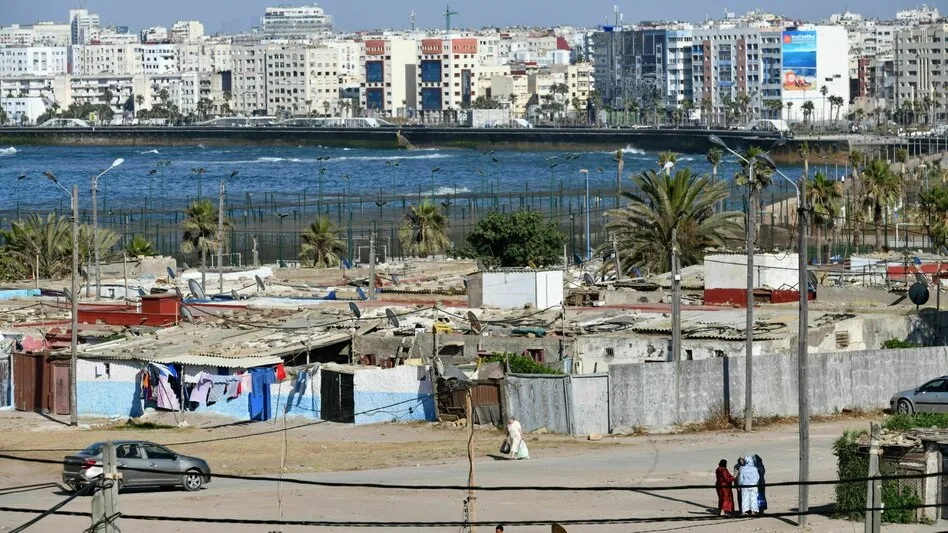
Meanwhile, the socioeconomic landscape of Casablanca showcases a stark divide. In the affluent neighborhood of Maarif, high-end stores and luxurious restaurants contrast sharply with the struggles faced by many living in impoverished areas like Ouled Slimene. While some residents, such as Mabinti from Ghana, express a desire to remain in Morocco despite the challenging circumstances, they fear that the influx of new migrants will further depress wages and worsen an already delicate economic situation. Urban development projects, often displacing communities under the guise of modernization, exacerbate feelings of alienation among the marginalized. City council member Abdullah Abaakil voices concerns over the rampant privatization and the erosion of public services, stressing that the ongoing economic narrative disproportionately benefits a small elite while leaving the majority behind.
As reported by taz.de.