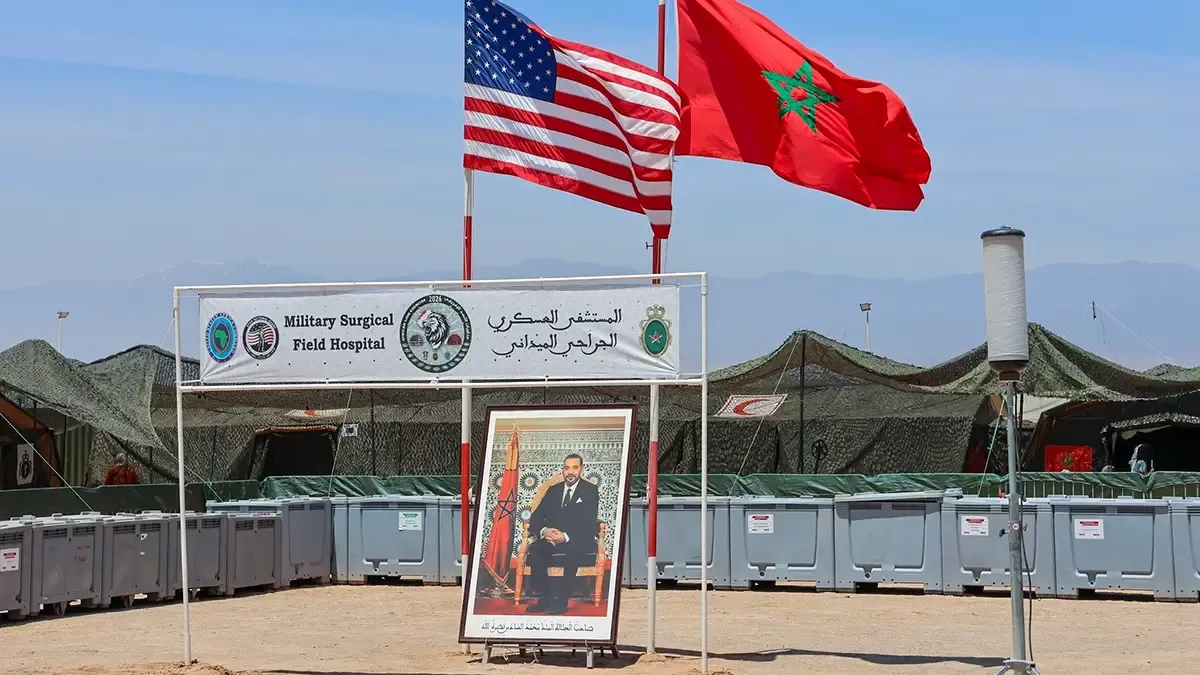
Morocco and the United States: A Growing Strategic Alliance
The relationship between Morocco and the United States has undergone significant evolution, transitioning from a historically security-focused alliance to a multidimensional partnership that encompasses various sectors including geoeconomics, supply chains, energy, technology, and the expansion of strategic interests in Africa. This strengthening of ties has been particularly pronounced following the events of September 11, which catalyzed bilateral cooperation aimed at counter-terrorism, intelligence sharing, and regional security. Moreover, the Free Trade Agreement established between the two nations in 2004, effective from 2006, has further solidified economic connections and diversified trade relations with Rabat.
Under the Obama administration, the cooperation was institutionalized through the Strategic Dialogue initiated in 2012, which broadened collaboration across security, economic, educational, and cultural dimensions. The ongoing instability in the Sahel region, the conflict in Libya, and the rise of jihadism have underscored Morocco's role as a vital regional partner for Washington. A pivotal moment occurred in 2020 when Morocco normalized relations with Israel as part of the Abraham Accords, with the United States subsequently recognizing Morocco's sovereignty over Western Sahara. This diplomatic success has significantly bolstered Morocco's strategic standing, although it has also sparked tensions with Algeria and faced opposition from the Polisario Front.
As the Biden administration continues to uphold the recognition of Morocco's claims to the Sahara and engages in military and counter-terrorism cooperation, the anticipated return of Donald Trump to the White House in January 2025 is likely to further enhance the strategic alliance between the United States and Morocco. This partnership aims to translate political support into tangible diplomatic and economic outcomes. In relation to Western Sahara, Washington has extended its recognition by viewing Morocco's autonomy plan as the sole viable solution to the ongoing conflict. Morocco is poised to consolidate this backing through American investments in its southern territories while rallying further Western support around its agenda, focusing on sovereignty, regional stability, development, and security.
Spain and the Strategic Axis of the United States, Morocco, and Israel
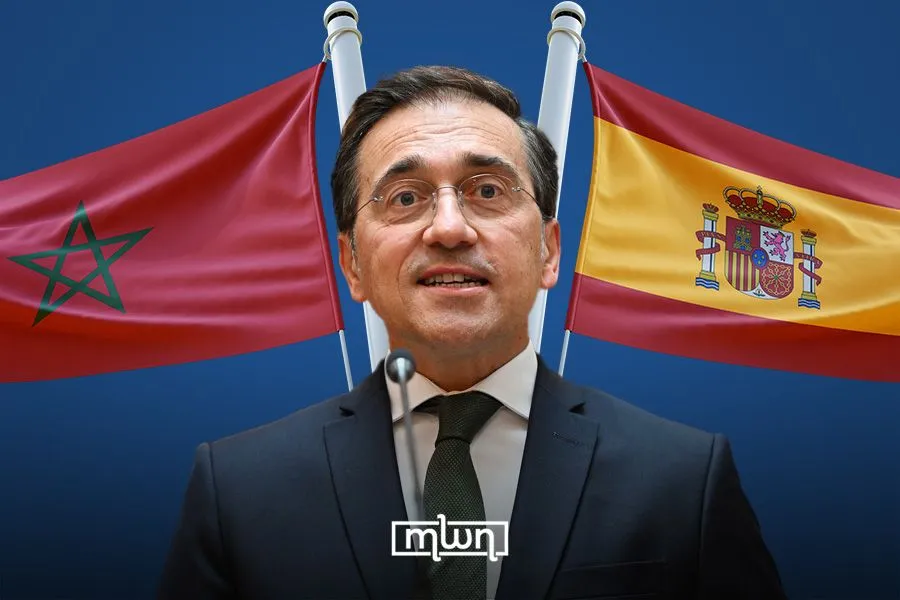
The foreign policy of the Trump administration has bolstered Morocco's strategy to strengthen its position on Western Sahara internationally while reducing political dependence on Europe. Since the U.S. recognition in 2020, Morocco has linked this territorial claim to Washington's strategic interests, including security, military cooperation, investments, and supply chains. The triangular relationship involving the United States, Morocco, and Israel has gained importance, particularly in defense, intelligence, and technology domains. This convergence introduces new dynamics into Spain's strategic equilibrium in the Western Mediterranean.
Although the strengthening of this axis does not necessarily imply deterioration in Spain's position, it compels Madrid to manage sensitive issues such as the Sahara, Morocco-Algeria relations, and migration cooperation with heightened care. The U.S. support for Morocco's autonomy proposal for the Sahara diminishes Spain's leverage to address the conflict strictly within bilateral or European frameworks, particularly as Washington has emerged as a critical actor while Morocco enhances its capability to internationalize its position. The Royal Elcano Institute's report emphasizes that Morocco's strengthening does not inherently push Spain out of the U.S. partnership; rather, both countries play complementary roles. Spain brings its NATO and EU membership, geographic location, and critical bases at Rota and Morón, essential for American military projection.
Conversely, Morocco offers political stability, counter-terrorism cooperation, and influence across Africa and the Sahel. The primary risk for Madrid lies in potentially diminishing its relevance on North African issues if Rabat solidifies its status as a direct strategic interlocutor for Washington. This evolving diplomatic landscape complicates Spain's balance between Morocco and Algeria, both of whom are essential partners for varying reasons. While Morocco is crucial for managing migration, counter-terrorism, and trade, Algeria retains strategic significance regarding energy and security. A growing regional polarization could restrict Spain's ability to maintain stable relations with both nations and safeguard its interests in the Maghreb.
Moreover, the Royal Elcano Institute's report concludes by addressing the issues surrounding Ceuta and Melilla, as well as military cooperation between Morocco and Israel. The remarks from certain American actors, alongside references to these two cities in a parliamentary report, do not signify a shift in Washington's official policy nor that of Israel, both of which have reaffirmed Spanish sovereignty. However, Morocco's increasing influence in the U.S. necessitates a strengthening of direct dialogue from Madrid. Additionally, the collaboration between Israel and Morocco in areas such as drones, air defense, intelligence, and technology may alter regional military balances and enhance Morocco's strategic capabilities in the medium term.
As reported by atalayar.com.