The Transformation of Moroccan Football
In the early 2000s, Moroccan football faced significant challenges, marked by a dramatic decline that saw its FIFA ranking plummet to 81st by 2014. Despite a glorious past, including a historic World Cup appearance in 1986, the nation struggled to maintain its competitive edge on the global stage. The turning point for Moroccan football came through strategic reforms and a commitment to systemic change, leading to a resurgence that has captivated fans and pundits alike.
Building a Sustainable Football System
The decline of Moroccan football in the late 20th century can be attributed to a reliance on a few exceptional generations of players without a sustainable development system in place. Following Morocco's participation in the World Bank Structural Adjustment Program in 1983, funding for local sports dwindled, leaving the football infrastructure vulnerable. Recognizing the need for reform, King Mohammed VI took a decisive stance in 2008 by calling for a comprehensive overhaul of football governance in the country. This initiative, encapsulated in the Royal Letter of 2008, highlighted the issues of corruption and mismanagement while emphasizing the necessity of a unified approach to developing talent.
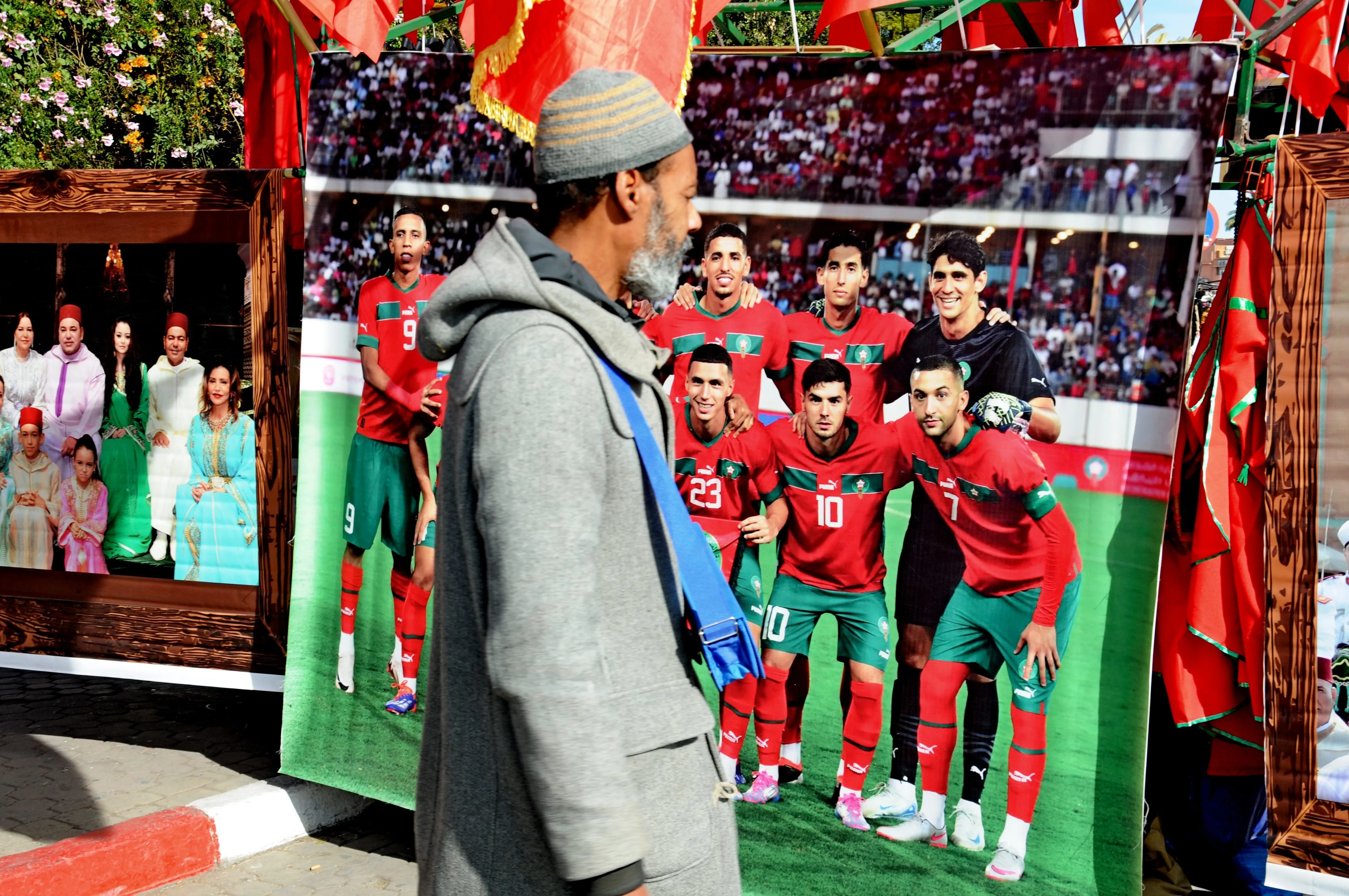
One of the most pivotal changes was the appointment of Fouzi Lekjaa as president of the Royal Moroccan Football Federation (FRMF) in 2014. With a strong background in economics and sports administration, Lekjaa introduced a three-pronged strategy focusing on facilities, talent development, and well-trained staff. This strategy laid the groundwork for the establishment of the Mohammed VI Football Academy in Salé, a monumental investment aimed at nurturing homegrown talent. The academy has since produced notable players such as Azzedine Ounahi and Youssef En-Nesyri, who represented Morocco in the historic 2022 World Cup.
In addition to fostering local talent, Morocco has effectively tapped into its diaspora, creating a robust scouting network that identifies young players of Moroccan descent living abroad. This dual approach of integrating homegrown talent with players from the diaspora has significantly broadened the pool of athletes available to the national teams. The strategic foresight in scouting and developing talent has propelled Morocco to international acclaim, culminating in their impressive performances in the recent World Cups.
Morocco's football journey serves as a compelling case study for African nations grappling with similar systemic challenges. By shifting focus from waiting for sporadic golden generations to establishing a sustainable talent development framework, Morocco has demonstrated that success in football requires more than just talent; it necessitates a well-structured system that can consistently nurture and produce elite players.
As reported by africasacountry.com.