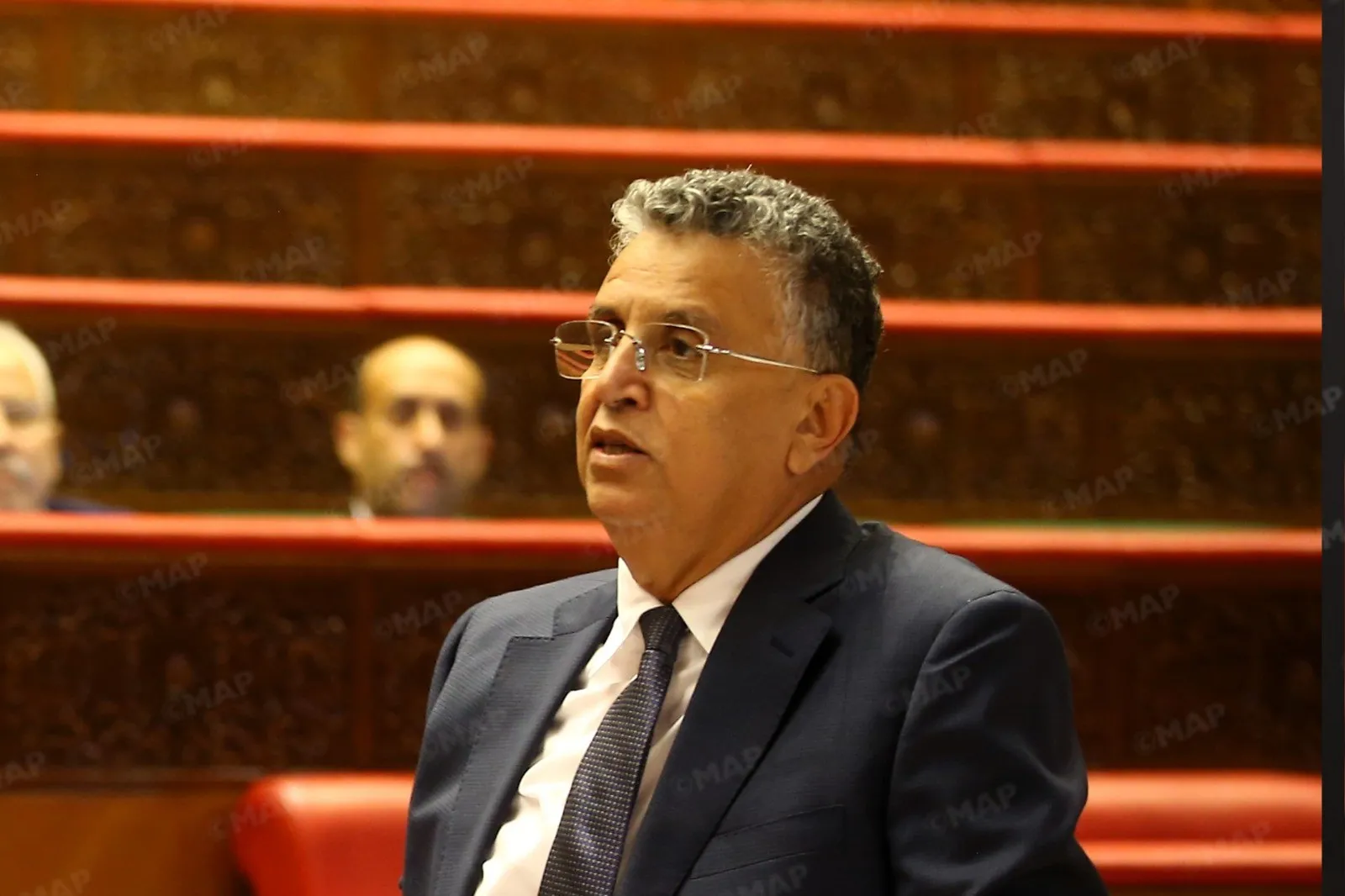
Justice Minister Outlines Impact of Alternative Dispute Resolution in Morocco
In a recent session at the House of Councillors, Morocco's Minister of Justice, Abdellatif Ouahbi, shed light on the significant role of alternative dispute resolution, particularly reconciliation procedures, in alleviating the burden on the nation's courts. Since the implementation of this approach last year, around 40,000 cases have been settled, facilitating a smoother judicial process and saving invaluable resources.
During a discussion on the accumulation of judicial files in Moroccan courts, Minister Ouahbi highlighted that these alternative measures have not only expedited case resolution but have also contributed approximately 30 million dirhams to the national treasury through fines collected during the reconciliation process. This shift towards alternative dispute resolution has allowed for the resolution of conflicts that, if left to the traditional judicial route, could have resulted in lengthy court battles and potential prison sentences for involved parties.
Furthermore, Minister Ouahbi addressed the issue of slow case resolution, noting that Moroccan courts handle approximately five million files annually. He acknowledged that significant cases often become overshadowed by a large volume of minor disputes, leading to delays in legal decisions. To tackle this issue effectively, he advocated for the expansion of alternative dispute resolution methods, particularly mediation and arbitration, and emphasized the importance of fostering a culture that encourages these practices prior to escalating matters to court.
In his remarks, the minister referred to previous proposals aimed at encouraging mediation and arbitration before resorting to commercial courts. He acknowledged that there had been pushback from certain entities against this initiative, underscoring the necessity to reassess existing laws and procedures to mitigate excessive reliance on the judiciary.
Regarding indicative timelines for case resolutions, Minister Ouahbi stressed the need for a balance between avoiding hasty judgments and preventing undue delays, as prolonged decision-making can diminish the value of rights. Conversely, rushing through cases may negatively impact the quality of judicial decisions.
Moreover, he highlighted the importance of enhancing communication and notification methods within the judicial system. This includes the potential adoption of electronic addresses for companies, which would enable courts to inform relevant parties about updates and rulings regarding their cases through electronic means. He noted that a decree has been issued to implement this mechanism for public institutions, and he looks forward to assessing its outcomes. He concluded by stating that the existing laws and their interpretation contribute more to delays in case resolutions than the limitations of available resources.
As reported by agadirinfo.ma.