Exploring Morocco's Noor Ouarzazate Solar Complex
Located in the sun-soaked desert region of Ouarzazate, Morocco, the Noor Ouarzazate Solar Complex stands as a testament to the nation's commitment to renewable energy innovation. This ambitious project showcases a unique blend of three distinct technologies designed for converting solar energy into electricity. Among these, two approaches utilize concentrated solar power (CSP) while the third harnesses conventional photovoltaic (PV) solar generation. The undertaking sheds light on a crucial aspect of the renewable energy transition: while generating renewable electricity is a significant step forward, ensuring that this energy is delivered reliably and affordably to consumers presents an entirely different set of challenges.
Understanding the Technologies Behind Noor Ouarzazate
The Noor Ouarzazate Solar Complex consists of multiple plants, each employing innovative methods to capture solar energy. The first two plants, Noor I and Noor II, utilize long parabolic mirrors that concentrate sunlight onto heat transfer tubes. In contrast, Noor III employs a more advanced configuration with numerous sun-tracking heliostats directing sunlight towards a receiver located atop a central tower. This concentrated solar power system converts sunlight into heat, which subsequently generates steam to drive conventional turbines. Notably, the ability to store excess thermal energy in insulated tanks filled with molten salt allows these plants to produce electricity even after sunset, with Noor I offering around three hours of storage and Noor II and III providing approximately seven hours.
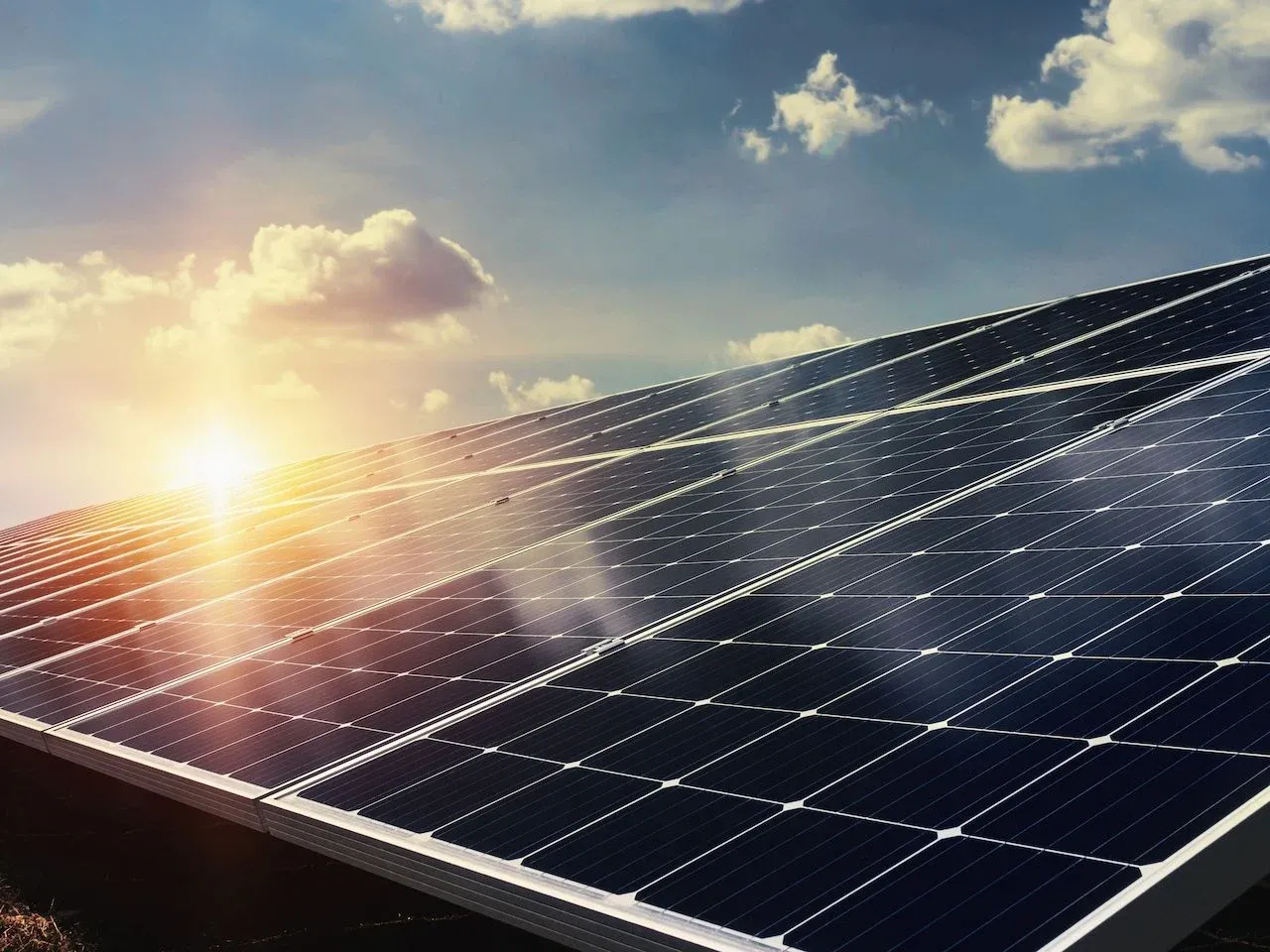
On the other hand, Noor IV adopts a different methodology, focusing on photovoltaic panels that directly convert sunlight into electricity. This system eliminates the need for heating fluids or steam generation, resulting in a much simpler setup characterized by fewer moving parts and lower operational costs. A comparative analysis of electricity generation costs in Morocco indicated that the levelized cost of electricity (LCOE) from Noor IV was around 0.20 Moroccan dirhams per kilowatt-hour, significantly cheaper than the LCOEs of Noor I, II, and III, which were considerably higher. This stark economic advantage raises an important question: if photovoltaic systems are more cost-effective, why invest in concentrated solar power?
The answer lies in the timing of energy generation. Photovoltaic systems shine during the day but experience a rapid decrease in output as the sun sets, often coinciding with increased energy demand. This necessitates the need for alternative power sources or energy storage solutions to meet consumer needs. CSP plants mitigate this challenge by storing energy as heat, enabling them to produce electricity after dark without the need for external storage systems. This capability provides CSP with a unique advantage over traditional solar panels.
Nevertheless, CSP faces stiff competition not just from standalone photovoltaic systems but increasingly from solar-plus-storage solutions. These setups combine solar panels with battery systems, which also allow for the shifting of energy generation to evening hours. Although batteries incur additional costs and have their own set of challenges, the significant decline in prices for both solar panels and battery systems over the past decade has narrowed the competitive landscape for CSP projects. To remain viable, CSP must prove that its thermal storage capabilities offer sufficient value to offset higher capital and operational costs.
Moreover, real-world performance plays a crucial role in determining the economic viability of renewable energy projects. A World Bank assessment revealed that Noor II and Noor III generated an average of approximately 739 gigawatt-hours annually from 2019 to 2023, falling short of the anticipated 1,144 gigawatt-hours per year. This shortcoming was partly due to prolonged outages at Noor III linked to structural issues in its molten-salt storage tank. Such challenges highlight the inherent risks associated with CSP technology, where the reliability of complex thermal systems is essential for long-term economic success.
Ultimately, the lessons learned from Morocco’s solar initiatives underscore the diversity of renewable technologies and their respective strengths. While photovoltaic systems excel in producing low-cost electricity during sunny conditions, CSP provides the valuable benefit of energy storage, allowing for electricity generation even after dark. As the energy sector evolves, the competition between solar technologies will increasingly hinge on factors such as local solar resources, electricity demand patterns, financing costs, and the availability of alternative energy sources.
In conclusion, Morocco's solar experiment encapsulates a fundamental principle of the global energy transition: success is not solely about maximizing solar capture or technological sophistication but rather about delivering reliable, low-carbon electricity at a price that consumers can afford. As the race to replace fossil fuels continues, the most effective technologies will likely be those that successfully strike a balance between cost, reliability, and the timing of energy delivery.
As reported by evworld.com.