Spain Postpones Algeria Summit Amid Political Uncertainty
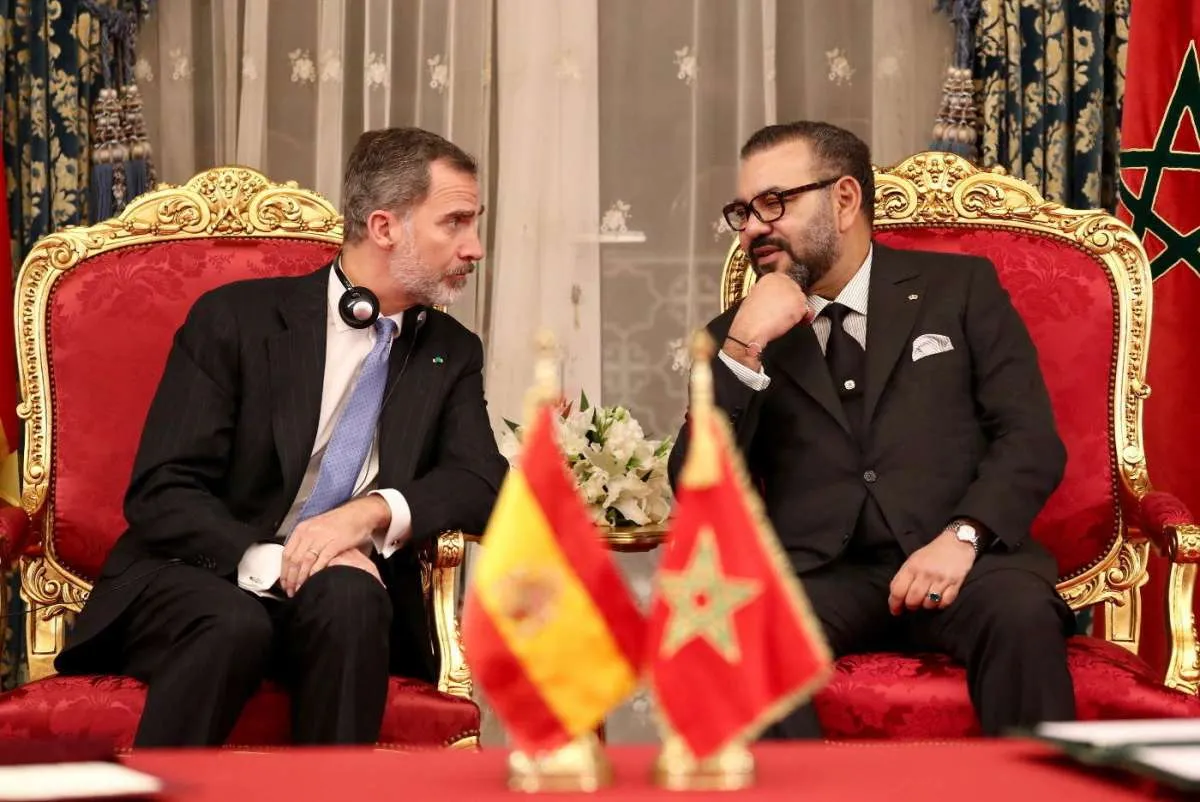
Spain has made the decision to postpone its long-awaited summit with Algeria, which was set to take place in October, marking the first such meeting in eight years. The announcement comes just days before King Felipe VI's visit to the enclaves of Ceuta and Melilla. While Madrid cites the upcoming elections as a primary reason for the delay, it also acknowledges the significant impact of ongoing tensions with Morocco on its diplomatic agenda.
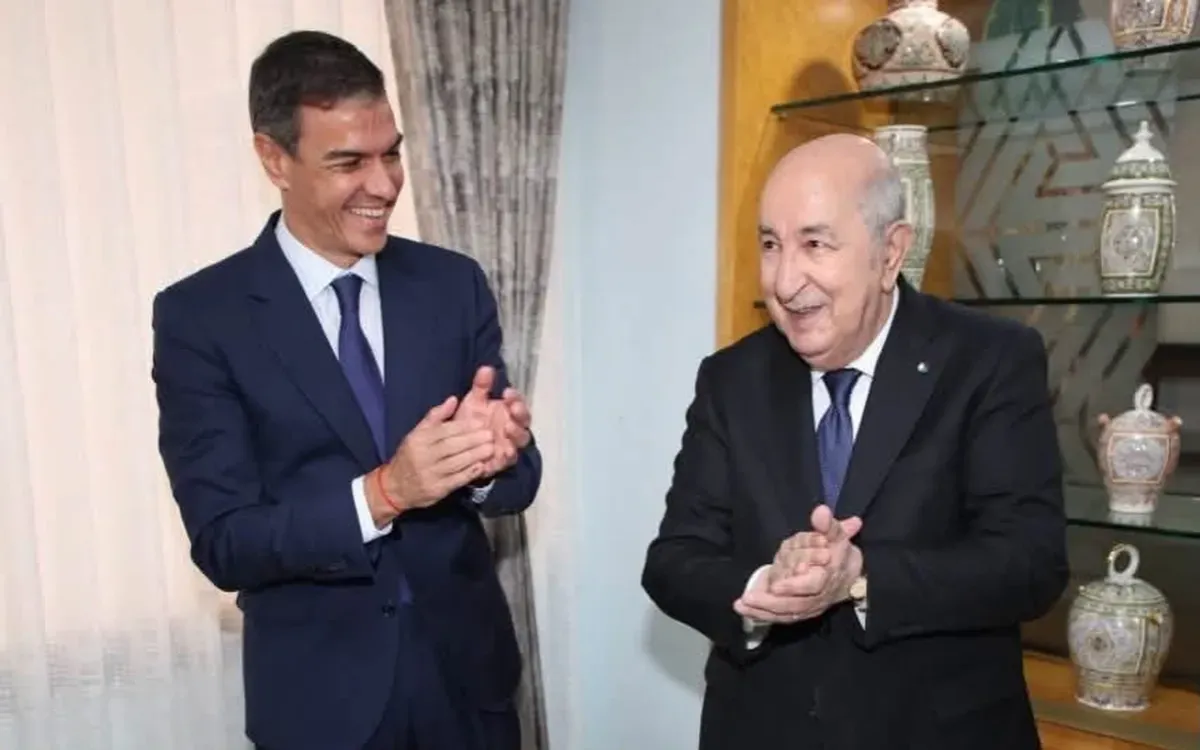
Despite the promising trajectory of relations between Spain and Algeria, which had seen a revival earlier this year, the recent developments have complicated matters. In July, Spanish Prime Minister Pedro Sánchez visited Algiers to mend ties that had been strained for the past four years. During his meeting with President Abdelmadjid Tebboune, both leaders agreed to facilitate a government meeting in Madrid, the first of its kind since 2018. However, just three months later, this crucial meeting has been deferred.
Political Dynamics and Diplomatic Implications
According to reports from the Spanish daily El País, which were confirmed by government sources on October 8, Madrid has opted to wait for the anticipated legislative elections set for November 29 before organizing such an important summit. The executive branch has stated that holding a significant meeting just weeks before the elections would be impractical, thus opting for a delay.
The diplomatic calendar presents its own set of challenges. King Felipe VI and Queen Letizia are scheduled to visit Ceuta on October 13, followed by Melilla the next day. This royal visit, which has been a source of concern for Madrid due to potential Moroccan reactions, comes on the heels of tensions that erupted during the summer over a surge in migrant arrivals in Ceuta.
According to a source within the Spanish government speaking to El País, the current crisis has made it even more difficult to arrange the meeting with Algeria. It is noteworthy that the summit had never been assigned a specific date, allowing Madrid the flexibility to postpone it without formally canceling an officially scheduled event.
The stakes of this summit extend far beyond mere scheduling conflicts. In March 2022, Sánchez's endorsement of Morocco's autonomy plan for Western Sahara led to a significant rift with Algeria, disrupting trade relations and affecting gas supplies from Algeria to Spain. Since then, both capitals have been attempting to restore their relationship. During his July visit, Sánchez secured an agreement to enhance gas supplies, with the Medgaz pipeline still having additional capacity, and plans to double liquefied natural gas purchases.
The economic interests at play are substantial. By 2025, trade between Spain and Algeria reached €8.5 billion, with €6.3 billion attributed to Algerian exports, predominantly in energy. Additionally, over a hundred Spanish companies operate within the Algerian market.
As for the Algerian authorities, they have yet to issue an official response regarding the summit's postponement. However, a newspaper closely aligned with the presidency has clarified that no visit by Tebboune to Spain has been scheduled. The meeting that was planned for July was intended to convene the two countries' heads of government rather than their presidents.
As reported by bladi.net.