Understanding the Dynamics of Morocco-US Relations and Their Impact on Spain
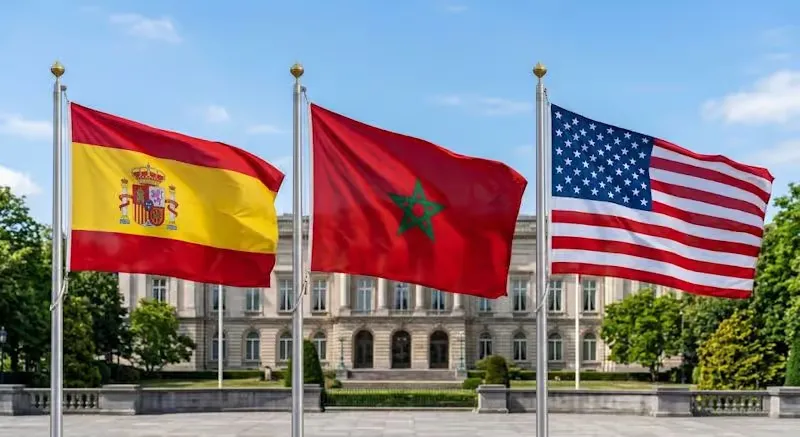
The enhancement of relations between Morocco and the United States transcends mere bilateral interests; it also raises critical questions for Spain regarding its influence over Washington's policies in North Africa and the Mediterranean. This observation is notably articulated by Carlota García Encina and Charles Powell, prominent researchers at the Real Instituto Elcano, in their analysis published on October 16, 2026, which examines the bilateral relations between Rabat and Washington and their ramifications for Madrid. Their findings do not suggest that Spain is being replaced by Morocco in the eyes of the US; rather, each country possesses unique assets that appeal to Washington. The essential challenge lies in the gradual shift of the focal point in certain regional discussions as Morocco expands its involvement in diplomatic, security, and economic matters that are of interest to the United States.
For Madrid, this evolution occurs against the backdrop of increasingly indispensable relations with Rabat, particularly regarding migration control, counter-terrorism cooperation, commercial exchanges, and regional stability. It necessitates a reassessment of how Spain can maintain its relevance in American deliberations concerning the Maghreb and the Sahel.
The Sahara: A Strategic Context Shift for Spain
The Sahara issue stands as a significant point of strategic contention. The recognition by former President Donald Trump in December 2020 of Moroccan sovereignty over the territory has transformed the diplomatic framework within which Spain approaches this matter. This acknowledgment provided Rabat with explicit support from Washington, thereby enhancing its capacity to advocate for its autonomy plan among international partners. This clear positioning was reiterated during Trump's second administration when Secretary of State Marco Rubio reaffirmed on April 8, 2025, Washington's backing of Moroccan sovereignty over the Sahara, labeling the autonomy under Moroccan sovereignty as the only viable solution, a stance maintained by the American administration. In August 2026, Trump once again expressed his support for this approach.
For Spain, this shift limits its ability to address the conflict solely within the confines of bilateral relations with Rabat or discussions among Europeans. The American position has now become a structural element of the issue, which Spain must consider in its own diplomatic choices. The dual challenge for Spain lies in sustaining its relations with Morocco while safeguarding its interests in a diplomatic landscape where the US position increasingly empowers the Moroccan initiative.
Despite the strengthening ties between Morocco and the United States, Spain has not lost its strategic significance to Washington. Madrid retains leverage that Rabat does not possess in the same manner, primarily due to its membership in the European Union and the North Atlantic Treaty Organization (NATO). Military geography remains a central element; facilities like Rota in Cadiz province and Morón de la Frontera near Seville are vital to the American military presence in Europe. The naval base at Rota, in particular, hosts American vessels involved in NATO's missile defense system, contributing to the projection of US forces in the Atlantic and Mediterranean, as well as operations in European and African theaters.
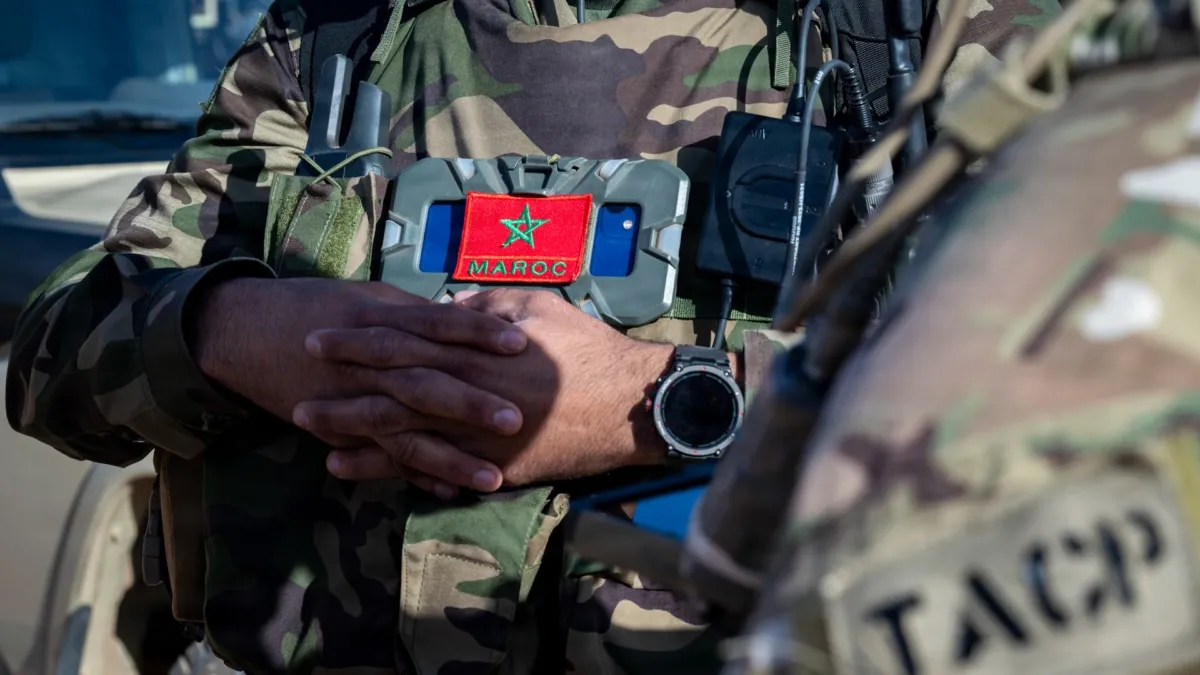
On the other hand, Morocco offers distinct advantages, such as established military cooperation with Washington, experience in counter-terrorism, connections with various African and Arab partners, and a geographical position that links the Mediterranean, Atlantic, and Sahelian regions. Joint military exercises like African Lion, which involve both American and Moroccan forces, exemplify this partnership dimension. Consequently, the two nations serve different roles in the American strategy, with Spain maintaining a particular importance within the Euro-Atlantic architecture while Morocco emerges as a partner for deepening US cooperation in North Africa and the Sahel.
Researchers from the Real Instituto Elcano identify another risk: as Rabat fortifies its direct ties with the American administration and engages on issues pertinent to multiple regions, Madrid may lose its centrality in certain negotiations concerning its neighborhood. The challenge for Spain is not to obstruct this progression but to ensure that its own strategic importance continues to translate into effective influence in Washington.
The economic dimension complicates the narrative of a shift in Morocco's relations toward the US. Despite the growth of trade with the United States, Europe remains Morocco's predominant economic partner. According to the European Commission, trade in goods between the EU and Morocco reached €62.2 billion in 2025, with the EU accounting for 33.7% of Morocco's goods trade, still standing as its primary trading partner and leading source of foreign investment. Within this context, Spain holds a unique position, being the EU's top trading partner for Morocco. In 2024, Spanish exports to Morocco reached €12.859 billion, while imports from Morocco totaled €9.834 billion, indicating an industrial and commercial interdependence that cannot be swiftly replaced by the burgeoning relations with Washington.
American figures also highlight the limitations of interpreting Morocco's economic interests as shifting toward the United States. According to the US Trade Representative's office, merchandise trade between Washington and Rabat amounted to approximately $7.4 billion in 2025. American exports to Morocco reached $5.5 billion, while imports from Morocco were $1.9 billion, resulting in a US trade surplus of nearly $3.7 billion. While the significance of these exchanges should not be underestimated, they do not support the conclusion that the free trade agreement between the two countries benefits both economies equally; rather, the trade data reveals a pronounced asymmetry favoring American exports.
For Spain, the economic question concerns less substitution than the evolution of value chains. The deepening of relations between Rabat and Washington might open new avenues for American businesses and encourage investments in industrial, energy, or technology sectors. However, this does not mechanically undermine the productive relationships that bind Morocco to European and Spanish enterprises. Geographic proximity, logistical infrastructure, and the integration of Moroccan companies into European production chains continue to distinguish both relationships. It would thus be misleading to present Morocco as an economic substitute for Spain in its dealings with the United States, just as it would be erroneous to assume that rapprochement with Washington would automatically diminish Europe's standing in the Moroccan economy.
The most sensitive consequences for Spain could manifest in managing its Maghreb neighborhood. Madrid maintains distinct relations with Morocco and Algeria, responding to different interests. Morocco is a crucial interlocutor for Spain regarding migration control, counter-terrorism, border security, and economic cooperation. Algeria, in contrast, retains significant importance in Spain's energy and economic relations. The bolstering of Morocco's position in Washington adds an additional layer to this balance, potentially enhancing Rabat's influence in discussions surrounding Sahel and North African security, without necessarily diminishing US interests in Algeria or automatically altering relations between Madrid and Algiers. Spain's maneuverability will, in part, depend on its ability to maintain active diplomatic channels with both countries.
The convergence between Washington and Rabat extends beyond territorial issues, incorporating military cooperation, intelligence sharing, new technologies, and relations with Middle Eastern partners. The normalization of Morocco-Israel relations, established under the agreements of December 2020, has notably opened new avenues for cooperation in security and technology.
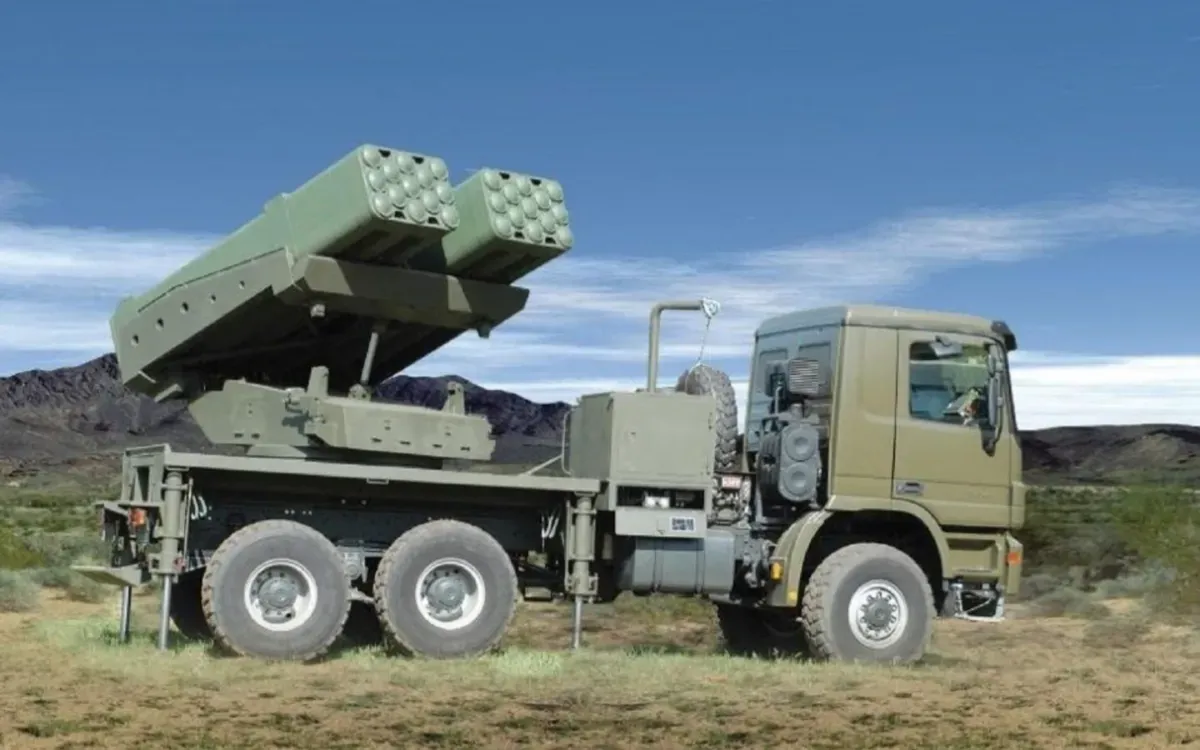
For Madrid, these developments represent an additional element in the strategic context shaping its relations with Washington. The partnership between Morocco and Israel, coupled with the American partnership with Rabat, may contribute to enhancing Morocco's military capabilities and altering certain regional balances. However, this does not imply that the interests of the three countries are systematically identical, nor does it exclude Spain from cooperation mechanisms.
More broadly, Morocco seeks recognition of its significance across various strategic areas, including the Mediterranean, Atlantic, Sahel, and Africa. This ability to connect different issues enhances its visibility among American decision-makers and compels Madrid to better showcase its regional competencies, particularly its understanding of the Maghreb, its membership in Euro-Atlantic structures, and its capacity to contribute to the security of southern Europe.
The challenge, therefore, is to ensure that the North African agenda of Washington does not develop by systematically favoring interlocutors capable of presenting cross-cutting initiatives, without adequately considering Spanish interests. This concern pertains to both bilateral diplomatic channels and Madrid's ability to work with its European partners and within NATO.
Ultimately, the analysis by Carlota García Encina and Charles Powell distinguishes between two often conflated issues: the increasing strategic weight of Morocco and a potential loss of Spanish influence with the United States. The former phenomenon does not render the latter inevitable. Madrid retains substantial assets, including its military infrastructure, its EU and NATO membership, its economic relations with Morocco, and its ability to engage with various actors in the Maghreb. However, these assets must be mobilized coherently within its bilateral relationship with Washington.
The authors emphasize the existence of an asymmetry of knowledge between the two neighbors, with Moroccan institutions possessing a deep understanding of Spanish society and political dynamics, while Spanish expertise on Morocco and its institutions could be further developed. This observation advocates for sustainable investments in diplomatic training, language skills, and Moroccan studies.
Spain's response, according to the analysis, necessitates strengthening direct relations with American decision-makers, better articulating the bilateral and European dimensions of Spanish foreign policy, and more clearly defining Madrid's priorities in its southern neighborhood. In conclusion, the strengthening of ties between Morocco and the United States represents less a threat of replacement than a test of Spain's ability to maintain its position in strategic discussions concerning North Africa. In this triangular relationship, the interests of the three countries overlap on certain issues while diverging on others. The central question for Madrid will be how to preserve its capacity for influence in this environment without viewing Rabat's diplomatic ascendance as a zero-sum game.
As reported by lebrief.ma.