Morocco's Commitment to International Stabilization Forces in Gaza
Morocco has made headlines as the only Arab nation agreeing to train its troops for deployment in the Gaza Strip, a significant move within the framework of Donald Trump's international stabilization force. This development reflects a growing rapprochement between the Moroccan regime and Israel, a relationship that starkly contrasts with the sentiments of the Moroccan populace, who largely oppose the normalization of ties between Rabat and Tel Aviv. The international stabilization force is part of a broader initiative, endorsed by the United Nations Security Council a year ago, aimed at restoring stability in Gaza amidst ongoing tensions.
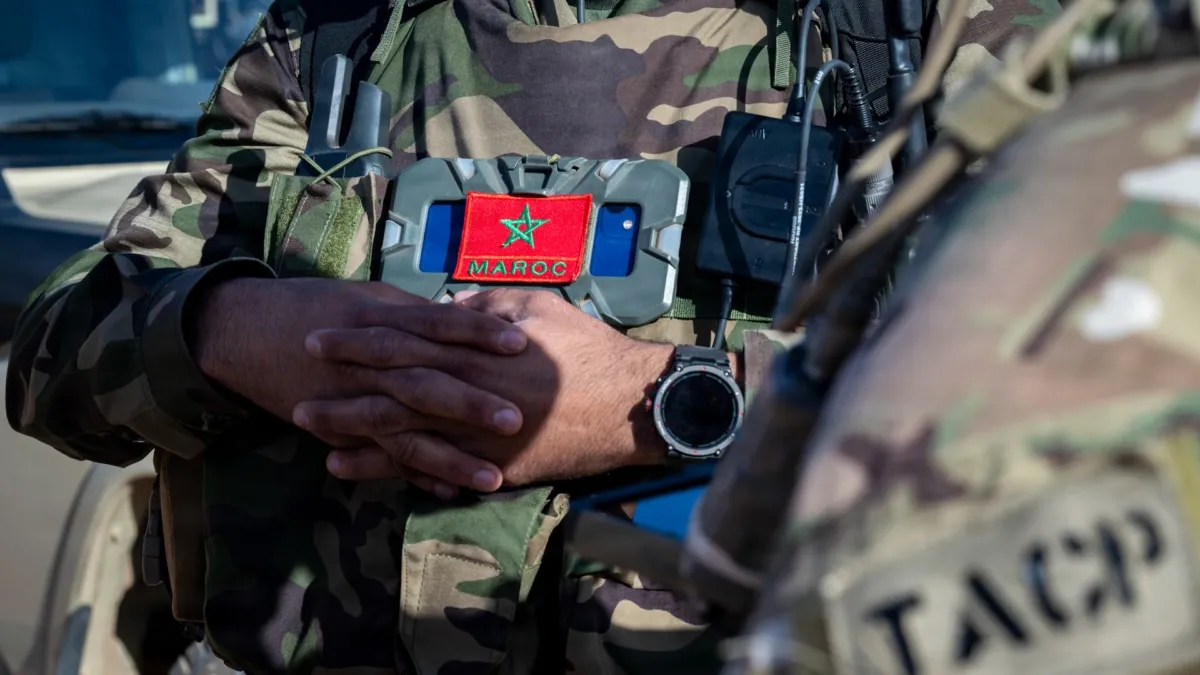
Currently, five countries, including Morocco, Indonesia, Kazakhstan, Kosovo, and Albania, have pledged to contribute troops to this endeavor, with Morocco appearing particularly eager to play a central role in this stabilization effort. Recent reports indicate that a contingent of 500 soldiers from Morocco has been prepared for deployment in Gaza, with training already undertaken on Moroccan soil. Israeli media have suggested that these troops have received the necessary training to operate in Palestinian territories, a situation that has sparked public discontent within Morocco, as many view this as yet another concession to Israel.
Concerns Over Moroccan Troops' Role and Human Rights Implications
The implications of Moroccan soldiers potentially using force against Palestinians raise significant concerns among human rights activists and the general public. As noted by Karim Hassoun, a Belgian council member and co-founder of the Hind Rajab Foundation, this involvement with the Israeli government, particularly under Benjamin Netanyahu, who faces allegations of war crimes, poses a moral dilemma for Moroccan authorities. Hassoun criticizes the Moroccan leadership for not demanding accountability from Netanyahu but rather strengthening collaboration with him, a stance he deems morally indefensible.
Reports suggest that the training of Moroccan troops has been overseen by the international stabilization force, under U.S. command, with an emphasis on ensuring the demilitarization of Gaza and the disarmament of armed non-state actors, including Hamas. The UN resolution governing this force grants troops the authority to use "all necessary measures" to fulfill their mandate, which raises troubling questions about the potential for violence against civilians during their operations.
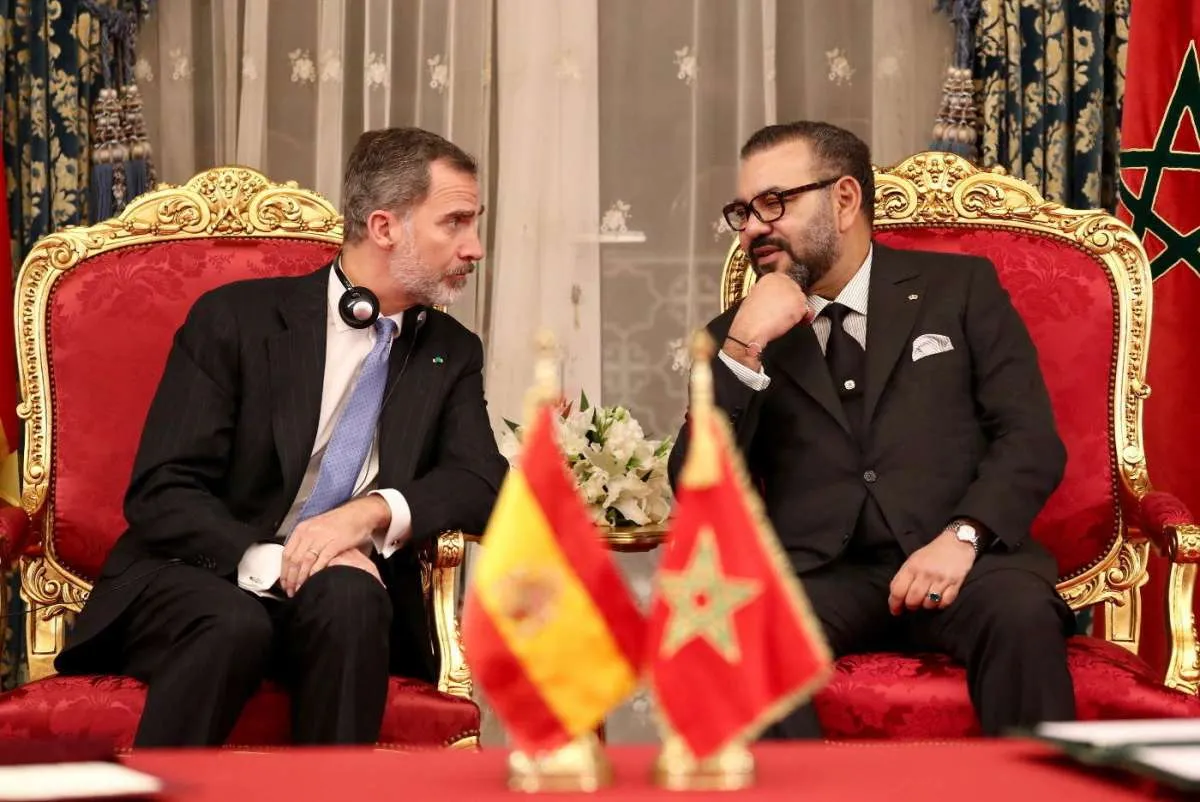
Despite Morocco's claim that its participation is aimed at maintaining peace, many citizens view this as a betrayal of Palestinian rights. The Moroccan king's position as the president of the Al Quds Committee, which is tasked with defending and protecting the holy city for Muslims, has not prevented the monarchy from moving closer to Israel, particularly following the normalization of relations in December 2020, which was partly contingent on U.S. recognition of Morocco's sovereignty over Western Sahara.
As Morocco becomes the first country to deploy personnel to Gaza amidst the ongoing political turmoil, the decision has ignited widespread protests within the nation, with citizens expressing strong opposition to the normalization efforts and the perceived complicity in Israeli actions against Palestinians. Activists argue that the Moroccan government is taking actions that do not reflect the will of its people, undermining their right to voice their opinions on such critical matters.
As reported by elindependiente.com.