Raja Casablanca: More Than Just a Football Club
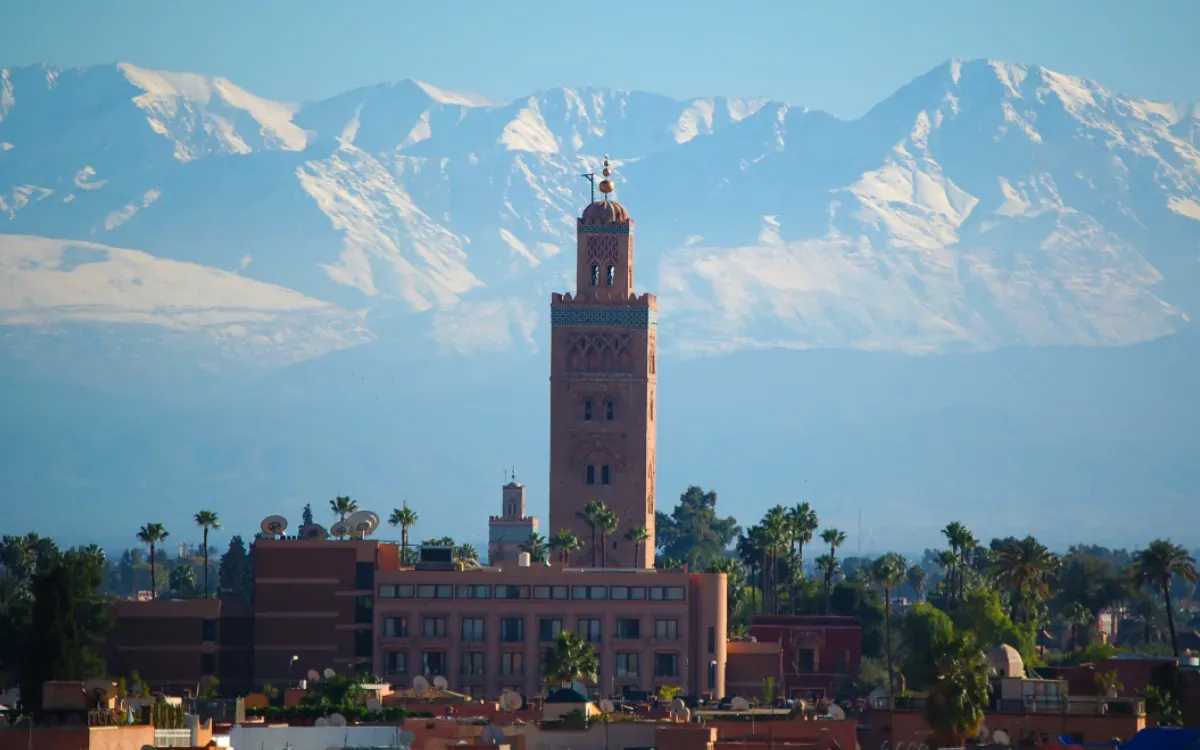
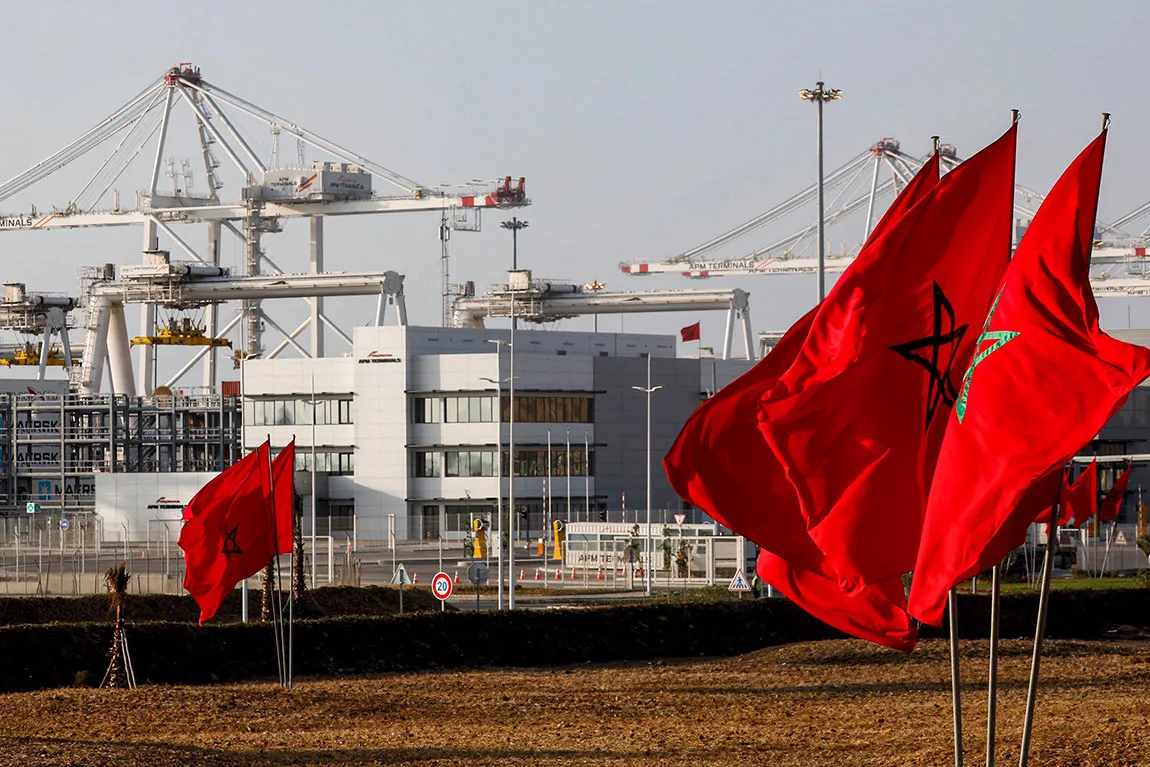
The vibrant city of Casablanca, Morocco, serves not only as the nation’s economic hub but also as the home ground for the celebrated Raja Casablanca football club. Often romanticized in American culture as the setting for a classic Cold War love story, modern Casablanca is far more complex, shaped by migration, commerce, and a fervent political landscape. Raja Casablanca, with its passionate supporters, embodies this dynamic spirit, transforming the terraces of Stade Mohammed V into platforms for political expression and dissent. This duality of sport and sociopolitical commentary has become a hallmark of the club and its dedicated fanbase.
The Legacy of Raja Casablanca and Its Supporters
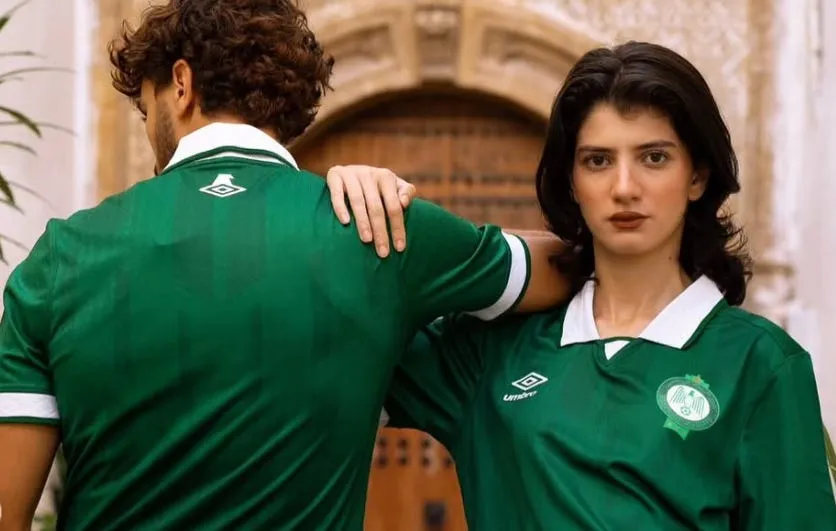
Raja Casablanca is not merely known for its impressive record—having secured 22 trophies, including 13 league titles and 3 CAF Champions League titles—but has also carved out a significant place in African football history as one of the continent's largest clubs. It holds the unique distinction of being one of only two clubs to reach the FIFA Club World Cup final, a feat achieved in 2013 when they faced Bayern Munich. Raja's legacy is further enriched by its historical roots, as it was founded on March 20, 1949, in a working-class district of Casablanca, intertwined with the struggles against French colonialism. This origin story continues to resonate with its supporters, who express their frustrations and aspirations through the club, particularly as the country grapples with issues like youth unemployment and political disenfranchisement.
The rivalry between Raja and its local competitor, Wydad, founded in 1937, adds yet another layer to the club's identity. Raja is often viewed as the team of the underprivileged, while Wydad appeals to the upper and middle classes, making their matches a spectacle of social contrasts. The fervor in the stands during these games reflects a broader societal commentary, as fans channel their grievances regarding corruption and limited opportunities into their support for the team.
The Green Boys, Raja's dedicated ultra supporters, have been at the forefront of Morocco's ultra culture since their inception in 2005. They utilize their platform to address various social issues, from advocating for safer environments for women in football to voicing solidarity with international causes, such as the Palestinian struggle. The chant "Rajawi Falastini" has emerged as a powerful anthem of solidarity, connecting local frustrations with global movements. Their signature song, "Fbladi Dalmouni," which translates to "In my country, I suffer from injustice," has transcended the club, resonating with a wider audience and becoming a rallying cry for social justice across Morocco.
As Raja Casablanca continues to strive for excellence on the pitch, its supporters remain a formidable force off it, ensuring that the club’s legacy is not defined solely by its trophies, but also by its role as a voice for the people of Morocco. Raja is not just a football club; it is a representation of hope, resilience, and the relentless pursuit of justice in a complex and often challenging environment.
As reported by elevennamedpeople.substack.com.