The U16 Women’s Handball World Championship in Agadir
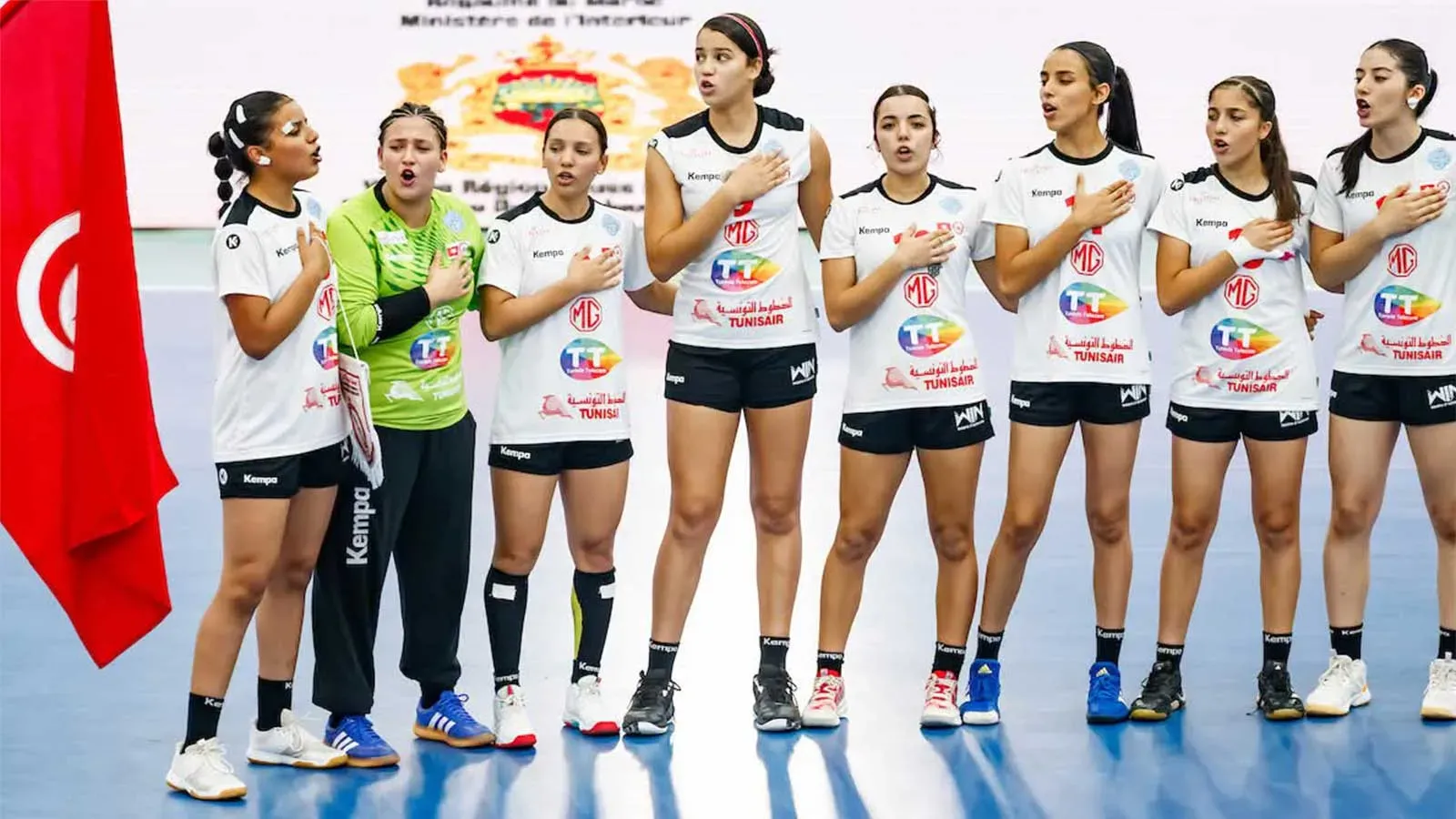
The inaugural U16 Women’s Handball World Championship, held in Agadir, Morocco, has concluded, yielding various insights into the current state of international sports, particularly for young athletes. The Tunisian team, which participated in this prestigious tournament, finished in an admirable eleventh place. Their performance was highlighted by a commendable victory against the host nation, Morocco, with a final score of 27-21 during the classification match. This achievement reflects not only the skill of the players but also the burgeoning potential within Tunisian women's handball.
Analyzing Tunisia’s Journey in the Tournament
Tunisia's campaign in the tournament began in the group stage, where they faced some challenging matches. They secured a thrilling victory against Uzbekistan with a score of 41-38 but faced setbacks with losses to Germany (26-38) and Mexico (35-39), ultimately finishing third in their group with two points. Moving into the classification rounds, Tunisia lost to Switzerland (21-31) but rebounded by defeating Morocco, thus solidifying their eleventh place out of 16 competing teams. This mixed bag of results has sparked a broader conversation about the realities and needs of young athletes participating in international competitions.
It is evident from the tournament that while there are numerous international championships across various sports, young athletes are often overlooked. The need for a structured development program for youth sports is critical, especially in countries like Tunisia, where the foundation for sports training is vital for the next generation. The physical prowess and teamwork displayed by these young athletes demonstrate a significant potential for growth, yet they are operating within a system that does not adequately support their development. As they strive to represent their country, it is imperative that the federations and the ministry take responsibility for nurturing this talent to secure their future.
Moreover, the integration of sports and education is essential for young athletes. Current provisions are insufficient to guarantee a sustainable future for them. Nations that have successfully harnessed sports as a means of guiding their youth away from negative modern influences have done so by providing robust support systems that allow young athletes to balance both academics and sports. In contrast, Tunisia, despite having produced Olympic and world champions, risks falling behind in nurturing its young talent due to a lack of adequate resources and prioritization of sports development.
While specialized institutions exist, the necessary means to elevate these young athletes are often lacking. This gap highlights the urgent need for greater investment and support from both federations and the government. The future of Tunisia’s young athletes depends on their ability to compete not just at home but on the global stage, where they can showcase their skills and potentially deter scouts from seeking to recruit them for other nations. Thus, the call for more tournaments and exposure to international competition is paramount for the development of these young handball players.
In summary, as the U16 Women’s Handball World Championship in Agadir comes to a close, the lessons learned extend beyond the court. They encompass the broader challenges facing young athletes in Tunisia and the need for a concerted effort to provide them with the tools and opportunities necessary for success. The journey ahead requires conviction, resources, and a commitment to fostering a new generation of champions.
As reported by lapresse.tn.